


Hey there! I'm a supplier of Kiln Thrust Rollers, and today I wanna chat about how straightness can have a huge impact on the performance of these crucial components.
First off, let's understand what kiln thrust rollers are and what they do. Kiln thrust rollers are essential parts of a rotary kiln system. They support the kiln and help it rotate smoothly. The kiln, as you might know, is a big deal in industries like cement, ceramics, and metallurgy. It's used to heat materials to high temperatures, and the thrust rollers play a key role in keeping everything running as it should.
Now, straightness is super important for kiln thrust rollers. When a thrust roller is straight, it can distribute the load evenly across its surface. This even load distribution is crucial because it prevents excessive wear and tear on specific parts of the roller. If a roller isn't straight, say it's a bit bent or warped, the load will concentrate on certain areas. This uneven loading can lead to premature failure of the roller. For example, the areas that bear more load will experience higher stress, which can cause cracks to form over time. These cracks can then grow and eventually lead to the roller breaking down completely.
Another aspect affected by straightness is the alignment of the kiln. Kiln thrust rollers are supposed to keep the kiln in proper alignment as it rotates. If the rollers aren't straight, the kiln might start to shift or tilt. This misalignment can cause all sorts of problems. It can put extra stress on other components of the kiln system, like the Kiln Girth Gear. The girth gear is responsible for transmitting the rotational force to the kiln, and if the kiln is misaligned due to non - straight thrust rollers, the girth gear can experience uneven wear. This can lead to issues with the overall efficiency of the kiln and might even require costly repairs or replacements of the girth gear.
The straightness of kiln thrust rollers also impacts the smoothness of the kiln's rotation. A straight roller allows the kiln to rotate without any jerks or vibrations. On the other hand, a non - straight roller can cause the kiln to wobble as it turns. These vibrations can be quite harmful. They can not only damage the thrust rollers themselves but also other parts of the kiln, such as the Rotary Kiln Seal. The seal is important for preventing heat and dust from escaping the kiln. Vibrations can cause the seal to wear out faster, leading to energy losses and environmental pollution due to the release of dust.

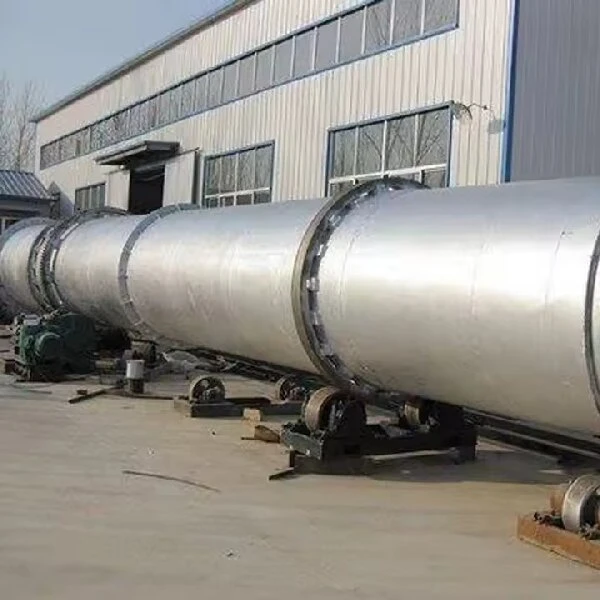
In addition to mechanical problems, non - straight thrust rollers can also affect the quality of the products being processed in the kiln. For instance, in the cement industry, the proper rotation of the kiln is essential for the chemical reactions that take place during the cement - making process. If the kiln is not rotating smoothly because of non - straight thrust rollers, the chemical reactions might not occur as they should. This can result in lower - quality cement with inconsistent properties.
So, how do we ensure the straightness of kiln thrust rollers? Well, during the manufacturing process, strict quality control measures are in place. We use advanced machining techniques to make sure the rollers are as straight as possible. After manufacturing, we also perform thorough inspections using precision measuring tools. These tools can detect even the slightest deviation from straightness.
But it's not just about the manufacturing. Once the rollers are installed in the kiln, regular maintenance and monitoring are crucial. We recommend that our customers regularly check the alignment and straightness of the thrust rollers. This can be done using laser alignment systems, which are very accurate. If any issues with straightness are detected early, corrective actions can be taken. Sometimes, minor adjustments can be made to realign the rollers, while in more severe cases, the rollers might need to be replaced.
As a supplier of Kiln Thrust Rollers, I can tell you that we take the straightness of our products very seriously. We know that the performance of the kiln depends largely on the quality and straightness of the thrust rollers. That's why we invest a lot in research and development to improve our manufacturing processes and ensure that our rollers meet the highest standards of straightness.
If you're in the market for kiln thrust rollers, or if you're having issues with the straightness of your existing rollers, don't hesitate to get in touch. We have a team of experts who can help you choose the right rollers for your kiln and provide advice on maintenance and alignment. Whether you're running a small - scale ceramic kiln or a large - scale cement rotary kiln, we've got the solutions for you.
In conclusion, the straightness of kiln thrust rollers is a critical factor that affects the performance, efficiency, and longevity of a rotary kiln system. From load distribution and alignment to the quality of the products being processed, straightness plays a vital role. So, make sure you choose high - quality, straight kiln thrust rollers for your operations.
References
- Industry standards for kiln components and manufacturing processes
- Research papers on the impact of component alignment on industrial equipment performance




