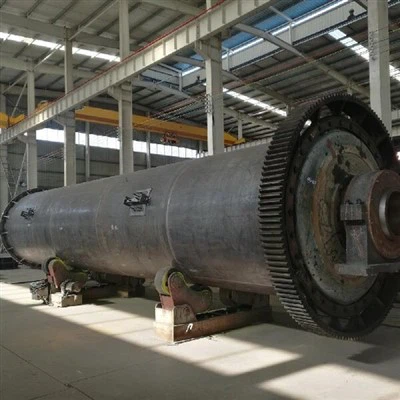
Ball mills are widely used in various industries, including mining, cement, and chemical engineering, for grinding materials into fine powders. However, one of the significant challenges associated with ball mills is the high noise level they generate during operation. The noise not only affects the working environment but also poses potential health risks to workers. As a ball mill parts supplier, I have witnessed firsthand how the design of ball mill parts can have a substantial influence on the noise level. In this blog, I will explore the various aspects of ball mill part design and their impact on noise generation.
1. The Role of Ball Mill Diaphragm Design
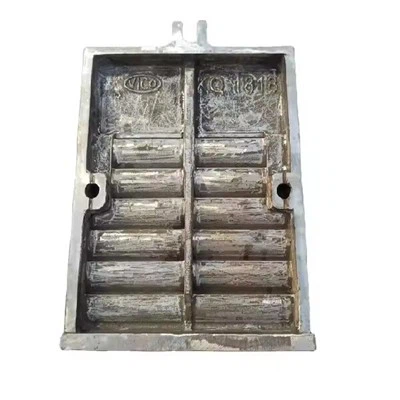
The Ball Mill Diaphragm plays a crucial role in the operation of a ball mill. It separates the different compartments within the mill, controls the flow of materials, and helps in achieving the desired grinding fineness. The design of the diaphragm can significantly affect the noise level in several ways.
Firstly, the shape and structure of the diaphragm can influence the movement of the grinding media and the materials inside the mill. A well - designed diaphragm can ensure a more uniform distribution of the grinding media and materials, reducing the impact and collision forces that contribute to noise. For example, a diaphragm with smooth and properly angled channels can allow the materials to flow more smoothly, minimizing the sudden changes in flow direction that often lead to increased noise.
Secondly, the material used for the diaphragm also matters. Some materials are more resistant to wear and can maintain their shape and integrity over time. A worn - out diaphragm may cause uneven distribution of the grinding media, leading to increased noise. High - quality materials can reduce the frequency of diaphragm replacement and keep the noise level in check.
2. Impact of Ball Mill Bearing Design
The Ball Mill Bearing is another critical component that can affect the noise level of a ball mill. Bearings support the rotating parts of the mill and ensure smooth operation.
The type of bearing used is an important factor. For instance, rolling element bearings, such as ball bearings and roller bearings, are commonly used in ball mills. The design of these bearings, including the number of rolling elements, their size, and the internal clearance, can impact noise generation. A bearing with an appropriate internal clearance can reduce the vibration and noise caused by the relative movement between the rolling elements and the raceways.
Moreover, the lubrication of the bearings is essential. Insufficient or improper lubrication can lead to increased friction and wear, which in turn generate more noise. A well - designed bearing system should have a proper lubrication mechanism that ensures continuous and adequate lubrication. This can be achieved through the use of automatic lubrication systems or by choosing bearings with built - in lubrication features.
In addition, the installation and alignment of the bearings are crucial. Incorrect installation can cause misalignment, which leads to uneven loading on the bearings and increased noise. Therefore, the design of the bearing housing and the installation procedures should be carefully considered to ensure proper alignment and reduce noise.
3. Influence of Ball Mill Pinion Design
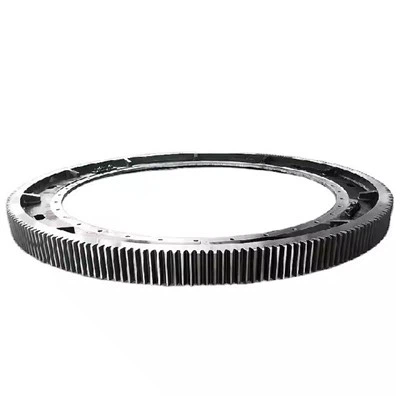
The Ball Mill Pinion is responsible for transmitting power from the motor to the ball mill. Its design has a direct impact on the noise level during power transmission.
The tooth profile of the pinion is a key design parameter. A well - designed tooth profile can ensure smooth meshing with the gear on the mill, reducing the impact and noise during the power - transmission process. For example, a modified involute tooth profile can provide better contact and load distribution, minimizing the noise caused by tooth - to - tooth impact.
The material and heat - treatment of the pinion also affect its performance and noise level. High - strength materials with proper heat - treatment can enhance the wear resistance and fatigue life of the pinion. A worn - out pinion can cause uneven power transmission, leading to increased noise and vibration.
Furthermore, the design of the pinion shaft and its connection to the motor and the mill can influence noise. A rigid and well - balanced pinion shaft can reduce the vibration and noise generated during rotation. The use of flexible couplings or dampers in the connection can also help to absorb some of the vibration energy and reduce noise.
4. Other Design Factors Affecting Noise Level
Apart from the above - mentioned parts, there are other design factors of ball mill parts that can influence the noise level.
The shell design of the ball mill is important. A thicker and more rigid shell can reduce the vibration and noise radiated from the mill. The use of damping materials on the inner or outer surface of the shell can also help to absorb some of the vibration energy and reduce noise.
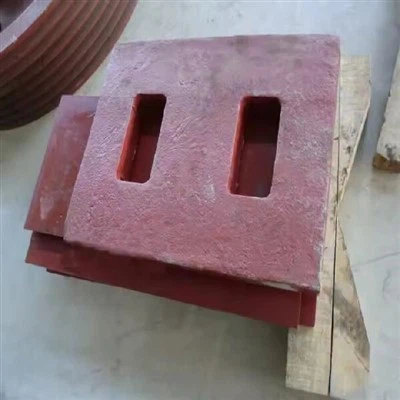
The liner design inside the ball mill also plays a role. Liners protect the shell from wear and can affect the movement of the grinding media. A well - designed liner can guide the grinding media in a more controlled manner, reducing the impact and noise. For example, a stepped liner can change the trajectory of the grinding media, reducing the direct impact on the shell and other parts.


The feeding and discharging systems of the ball mill can also contribute to noise. A smooth and well - designed feeding system can ensure a continuous and uniform supply of materials, reducing the noise caused by sudden material loading. Similarly, an efficient discharging system can prevent material blockage and reduce the noise associated with the discharge process.
5. Conclusion and Call to Action
In conclusion, the design of ball mill parts has a profound influence on the noise level of the ball mill. From the diaphragm, bearing, and pinion to the shell, liner, and feeding/discharging systems, every part's design needs to be carefully considered to reduce noise. As a ball mill parts supplier, we understand the importance of these design elements and offer high - quality parts that are designed to minimize noise and improve the overall performance of ball mills.
If you are facing noise problems with your ball mill or are looking for high - quality ball mill parts to optimize your mill's performance, we are here to help. Our team of experts can provide you with professional advice and solutions tailored to your specific needs. Contact us to start a discussion about your ball mill part requirements and let's work together to create a quieter and more efficient working environment.
References
- "Handbook of Ball Mill Design and Operation" - A comprehensive guide on ball mill technology that covers part design and noise reduction.
- "Journal of Mining and Materials Processing" - Contains research papers on the performance and design of ball mill components, including their impact on noise.
- "International Journal of Mineral Processing" - Publishes studies related to the optimization of ball mill parts for better performance and noise control.