In the dynamic landscape of the Internet of Things (IoT), industries are constantly on the lookout for innovative solutions that can enhance efficiency, reduce costs, and improve overall operational performance. As a supplier of the Reclaimer Chain, I've been closely observing how this robust and reliable component fits into the broader IoT ecosystem. In this blog post, we'll explore whether there are any IoT projects utilizing the Reclaimer Chain and the potential benefits they bring.
Understanding the Reclaimer Chain
Before delving into IoT projects, it's essential to understand what the Reclaimer Chain is and its significance in industrial applications. The Reclaimer Chain is a critical part of many bulk material handling systems, particularly in industries such as mining, cement, and power generation. It is designed to move large quantities of materials, such as coal, ore, or cement clinker, from storage piles to processing equipment.
The chain's durability, strength, and ability to withstand harsh operating conditions make it a preferred choice for heavy - duty applications. Its design allows for smooth and continuous operation, minimizing downtime and maintenance requirements. With its precise engineering, the Reclaimer Chain ensures that materials are moved efficiently and safely, which is crucial for the overall productivity of industrial facilities.


IoT in Industrial Automation
The Internet of Things has revolutionized industrial automation by enabling the connection of physical devices, sensors, and software systems. IoT technology allows for real - time data collection, analysis, and remote monitoring, which can lead to better decision - making, predictive maintenance, and improved resource management.
In the context of bulk material handling, IoT can be used to monitor the performance of equipment such as reclaimers. Sensors can be installed on the Reclaimer Chain to collect data on factors like tension, speed, temperature, and wear. This data can then be transmitted to a central control system, where it is analyzed to detect potential issues before they become major problems.
Existing IoT Projects Using the Reclaimer Chain
While the use of IoT in conjunction with the Reclaimer Chain is still in its early stages, there are indeed some innovative projects underway.
Predictive Maintenance
One of the most significant applications of IoT in Reclaimer Chain systems is predictive maintenance. By installing sensors on the chain, operators can monitor its condition in real - time. For example, strain sensors can measure the tension in the chain, and vibration sensors can detect any abnormal movements that may indicate wear or misalignment.
The data collected from these sensors is sent to a cloud - based platform, where advanced analytics algorithms analyze the data to predict when maintenance is required. This approach can significantly reduce unplanned downtime, as maintenance can be scheduled during planned outages. For instance, if the data shows that the chain's tension is increasing beyond normal levels, it could be a sign of impending wear, and maintenance can be carried out before the chain fails.
Performance Optimization
IoT can also be used to optimize the performance of the Reclaimer Chain. Flow sensors can be installed to measure the amount of material being moved by the chain, and speed sensors can monitor the chain's operating speed. By analyzing this data, operators can adjust the chain's speed and other operating parameters to ensure optimal material flow.
For example, if the flow sensor detects that the material flow is too low, the system can automatically increase the chain's speed. Conversely, if the flow is too high, the speed can be reduced to prevent overloading and potential damage to the chain. This real - time optimization can lead to significant energy savings and increased productivity.
Remote Monitoring
Another advantage of IoT in Reclaimer Chain systems is remote monitoring. Operators can access the data collected from the sensors via a web - based interface or a mobile app, regardless of their location. This allows for quick response to any issues that may arise, even if the operator is not on - site.
For example, if a sensor detects a sudden increase in the chain's temperature, which could indicate a problem with the lubrication or excessive friction, the operator can receive an alert on their mobile device. They can then remotely access the system to check the data and make decisions on how to address the issue, such as adjusting the lubrication system or reducing the chain's speed.
The Role of Cooler Grate Plates in IoT - Enabled Reclaimer Systems
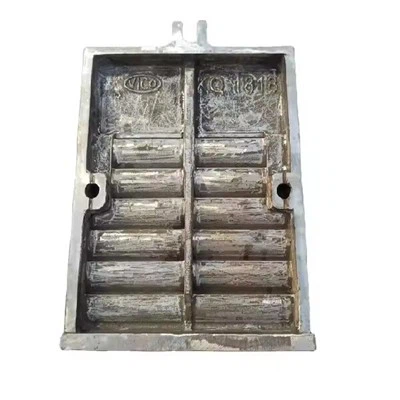
In addition to the Reclaimer Chain, Cooler Grate Plates also play an important role in bulk material handling systems. These plates are used in coolers to support and convey hot materials, such as cement clinker, while allowing for efficient cooling.
In an IoT - enabled system, sensors can also be installed on the Cooler Grate Plates. Temperature sensors can monitor the temperature of the plates, which can provide insights into the cooling efficiency of the system. Pressure sensors can measure the pressure exerted on the plates, which can help detect any blockages or uneven material distribution.
By integrating the data from the Cooler Grate Plates with the data from the Reclaimer Chain, operators can gain a more comprehensive understanding of the entire bulk material handling system. This holistic approach can lead to better decision - making and improved overall system performance.
Benefits of IoT Projects Using the Reclaimer Chain
The implementation of IoT projects using the Reclaimer Chain offers several benefits:
Cost Savings
Predictive maintenance reduces the need for costly emergency repairs and unplanned downtime. By scheduling maintenance based on actual equipment condition, companies can save on maintenance costs and increase the lifespan of the Reclaimer Chain. Additionally, performance optimization can lead to energy savings, as the chain operates more efficiently.
Improved Safety
Remote monitoring and real - time data analysis can help identify potential safety hazards before they occur. For example, if the data shows that the chain is operating under excessive stress, operators can take immediate action to prevent a chain failure, which could pose a significant safety risk to workers.
Enhanced Productivity
By optimizing the performance of the Reclaimer Chain and the entire bulk material handling system, companies can increase their productivity. Real - time adjustments to operating parameters ensure that the system is always operating at its peak efficiency, resulting in higher throughput and faster material processing.
Contact for Procurement and Collaboration
If you're interested in exploring IoT projects using the Reclaimer Chain or other related components, I'd be more than happy to discuss your requirements. Whether you're looking to upgrade your existing bulk material handling system or start a new project, our team of experts can provide you with the right solutions.
We offer high - quality Reclaimer Chains and Cooler Grate Plates, along with the expertise to integrate IoT technology into your systems. Contact us to start a conversation about how we can work together to improve your operations and achieve your business goals.
References
- Industrial Internet of Things: Technologies and Applications, by Fei Hu, Song Guo, and Xiaohui Tao
- Handbook of Industrial Internet of Things, edited by Vijay K. Varadharajan and Elisa Bertino
- IoT in Manufacturing: A Practical Guide to Implementing the Industrial Internet of Things, by David Rogers