


In the realm of industrial operations, the durability of equipment stands as a cornerstone for maintaining efficiency, reducing costs, and ensuring seamless production processes. As a dedicated supplier of auxiliary parts, I've witnessed firsthand the transformative impact these components can have on the lifespan and performance of various equipment. This blog post delves into the question: Can auxiliary parts enhance the durability of equipment? Through real - world examples, scientific principles, and industry insights, we'll explore the affirmative answer to this query.
Understanding the Role of Auxiliary Parts
Auxiliary parts are supplementary components that work in tandem with the main equipment to optimize its functionality. They can range from small, seemingly insignificant pieces to large, complex systems. These parts are designed to perform specific tasks such as protecting the main equipment from wear and tear, improving its operational efficiency, or providing additional support during critical processes.
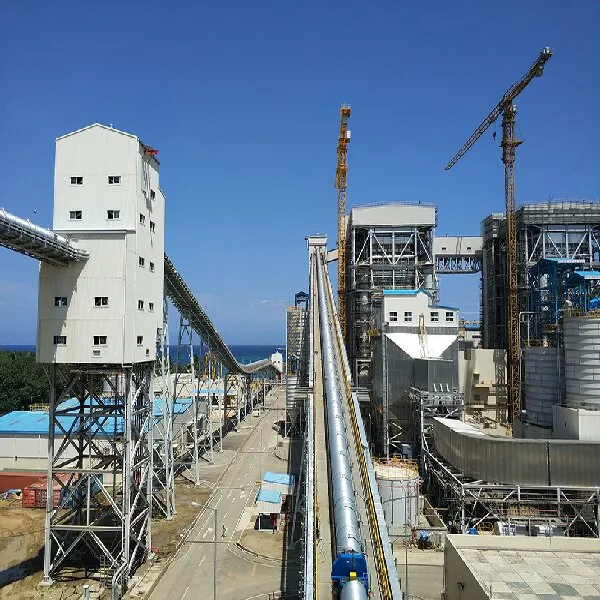
One of the primary ways auxiliary parts enhance durability is by reducing stress on the main equipment. For instance, consider a Belt Conveyor In Cement Plant. In a cement plant, the conveyor belt is constantly exposed to heavy loads, abrasive materials, and high - speed operations. Without proper auxiliary parts, the belt would experience rapid wear and tear, leading to frequent breakdowns and costly replacements. However, auxiliary parts like belt cleaners, idlers, and tensioners can help maintain the integrity of the belt. Belt cleaners remove excess material from the belt surface, preventing it from accumulating and causing uneven wear. Idlers support the belt and ensure smooth movement, reducing friction and stress on the belt. Tensioners keep the belt at the right tension, preventing slippage and premature stretching. By performing these functions, these auxiliary parts significantly extend the lifespan of the conveyor belt.
Scientific Principles Behind Durability Enhancement
The science behind the durability enhancement provided by auxiliary parts is rooted in the principles of mechanical engineering and materials science. When it comes to mechanical engineering, auxiliary parts are designed to distribute loads evenly across the main equipment. For example, in a large industrial machine, shock absorbers can be used as auxiliary parts. These shock absorbers absorb and dissipate the energy generated during sudden impacts or vibrations. By doing so, they prevent the excessive stress from reaching the main components of the machine, which could otherwise cause cracks, fractures, or other forms of damage.
Materials science also plays a crucial role. High - quality auxiliary parts are often made from advanced materials that are more resistant to corrosion, abrasion, and fatigue. Take the Industrial Filter Bag Cage as an example. In industrial filtration systems, the filter bag cage provides support to the filter bag. It is typically made from materials such as stainless steel or galvanized steel, which are highly resistant to corrosion. This resistance ensures that the cage maintains its structural integrity over time, even in harsh chemical environments. As a result, the filter bag can function effectively for a longer period, improving the overall durability of the filtration system.

Real - World Examples of Durability Enhancement
Let's look at some real - world scenarios where auxiliary parts have made a significant difference in equipment durability. In the mining industry, crushers are essential for breaking down large rocks into smaller pieces. These crushers are subjected to extreme forces and abrasive materials. Auxiliary parts such as wear liners are used to protect the inner surfaces of the crushers. These wear liners are made from hard - wearing materials like manganese steel. By replacing the worn - out liners regularly, the crusher can continue to operate efficiently without suffering from excessive damage to its main components. This not only extends the lifespan of the crusher but also reduces downtime and maintenance costs.
In the steel industry, High Quality Slag Pot is an important auxiliary part. Slag pots are used to collect and transport the molten slag produced during the steel - making process. The high - temperature and corrosive nature of the molten slag can quickly damage a regular pot. However, high - quality slag pots are designed with special refractory linings that can withstand the extreme conditions. These linings protect the outer shell of the pot from the heat and chemical reactions, allowing the slag pot to be used for multiple cycles before replacement. This significantly enhances the durability of the slag handling equipment and improves the overall efficiency of the steel - making process.
The Cost - Benefit Analysis of Using Auxiliary Parts
Some may argue that investing in auxiliary parts adds to the initial cost of equipment. However, a comprehensive cost - benefit analysis reveals that the long - term savings far outweigh the upfront expenses. When equipment breaks down due to lack of proper auxiliary parts, the costs associated with downtime, repairs, and replacements can be substantial. For example, a single breakdown of a critical conveyor system in a manufacturing plant can halt production for hours or even days, resulting in lost revenue and missed deadlines.
On the other hand, by using high - quality auxiliary parts, the frequency of breakdowns is reduced, and the lifespan of the equipment is extended. This leads to lower maintenance costs, fewer replacement parts, and increased productivity. In the long run, the investment in auxiliary parts proves to be a cost - effective strategy for businesses.
Conclusion and Call to Action
In conclusion, auxiliary parts are indeed powerful tools for enhancing the durability of equipment. Through their ability to reduce stress, distribute loads evenly, and resist wear and tear, they play a vital role in ensuring the long - term performance of industrial equipment. Whether it's in the cement, mining, steel, or other industries, the use of auxiliary parts can lead to significant improvements in efficiency, cost - savings, and overall productivity.
As a supplier of high - quality auxiliary parts, I am committed to providing solutions that meet the diverse needs of different industries. If you are looking to enhance the durability of your equipment, I invite you to reach out to me for more information. Our team of experts can help you select the right auxiliary parts for your specific equipment and application. Let's work together to optimize your equipment's performance and achieve long - term success.
References
- Mechanical Engineering Handbook, edited by Myer Kutz.
- Materials Science and Engineering: An Introduction, by William D. Callister Jr. and David G. Rethwisch.
- Industrial Equipment Maintenance Best Practices, published by the American Society of Mechanical Engineers.




