Hey there! I'm a supplier of kiln materials, and I often get asked if glass materials can be used in kilns. Well, let's dive right into this topic and see what's what.
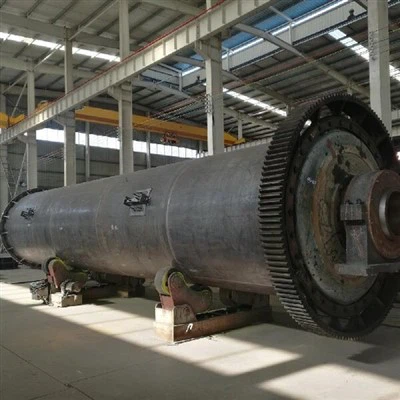
First off, we need to understand what kilns are used for. Kilns are basically high - temperature ovens used in various industries like ceramics, metallurgy, and cement production. Different types of kilns have different temperature ranges and operational requirements. For example, Spodumene Rotary Kiln is used in the spodumene processing industry, where it needs to reach high temperatures to transform spodumene into a more useful form. The Magnesite Rotary Kiln is used for calcining magnesite, and the Portland Cement Kiln is crucial in the production of cement.
Now, back to glass materials. Glass is a super interesting material. It's made by heating a mixture of silica, soda ash, and limestone to high temperatures until it melts and then cools into a solid. There are different types of glass, each with its own unique properties. Some glasses are heat - resistant, while others are not.
The short answer to whether glass materials can be used in kilns is: it depends.
Advantages of Using Glass Materials in Kilns
One of the main advantages of using glass materials in kilns is their ability to act as a flux. A flux is a substance that lowers the melting point of other materials. In some ceramic kilns, glass frits (small, granular pieces of glass) can be added to the clay body. When the kiln is fired, the glass frits melt and help the clay particles bond together more effectively. This can result in a denser, stronger ceramic piece.
Glass also has good thermal insulation properties in some cases. Some types of glass - wool insulation can be used in the lining of kilns. This helps to reduce heat loss from the kiln, making it more energy - efficient. It keeps the heat inside the kiln where it's needed, which can save on energy costs in the long run.
Another benefit is that glass is relatively easy to shape. You can make glass into different forms, like rods, sheets, or beads. This flexibility can be useful in custom - made kiln components. For example, glass rods can be used as spacers or supports in some kiln setups.
Disadvantages and Challenges
However, there are also some significant challenges when it comes to using glass materials in kilns. The biggest issue is the high - temperature stability of glass. Most common glasses start to soften and deform at relatively low temperatures compared to the extreme heat in some industrial kilns. For instance, the Portland Cement Kiln can reach temperatures of over 1400°C. At these temperatures, normal glass would turn into a puddle.
Even heat - resistant glasses have their limits. Some borosilicate glasses can withstand higher temperatures, but they still might not be suitable for the most extreme kiln environments. If the glass deforms or melts in the kiln, it can cause problems. It might stick to other kiln components, damage the kiln lining, or contaminate the materials being processed in the kiln.
Another problem is chemical compatibility. Glass can react with other substances in the kiln. For example, in a kiln used for metal smelting, the glass might react with the molten metal or the slag, leading to unwanted chemical reactions and potentially affecting the quality of the final product.
Types of Glass Suitable for Kilns
There are a few types of glass that are more likely to be used in kilns. As I mentioned earlier, borosilicate glass is a good candidate. It has a relatively high melting point and low thermal expansion, which means it can withstand rapid temperature changes without cracking. Borosilicate glass is often used in laboratory kilns and some small - scale ceramic kilns.
Fused silica glass is another option. It's made from pure silica and can withstand extremely high temperatures. Fused silica is used in some high - temperature kilns, especially those used in the semiconductor industry. It has excellent thermal stability and chemical resistance.
Applications in Different Kilns
In ceramic kilns, glass materials are mainly used in the form of frits. These frits can be added to glazes to give them a certain texture or color. They can also be used in the body of the ceramic piece to improve its strength and density.
In some small - scale art kilns, glass can be used for decorative purposes. Artists might use glass beads or rods to create unique designs on their ceramic or metal pieces during the firing process.
In industrial kilns, the use of glass is more limited due to the high - temperature requirements. However, as I said, glass - wool insulation can still be used to improve energy efficiency.
Conclusion
So, can glass materials be used in kilns? The answer is yes, but with some important caveats. Glass can offer some benefits like acting as a flux, providing insulation, and being easy to shape. But its high - temperature stability and chemical compatibility need to be carefully considered.


If you're in the market for kiln materials and are thinking about using glass, it's important to do your research. Make sure you choose the right type of glass for your specific kiln application. And if you have any questions or need advice, don't hesitate to reach out. I'm here to help you find the best kiln materials for your needs. Whether you're running a small - scale ceramic studio or a large - scale industrial operation, I can provide you with high - quality kiln materials that meet your requirements. So, if you're interested in purchasing kiln materials, let's start a conversation and see how we can work together.
References
- "Handbook of Industrial Kilns: Theory, Design, and Operation"
- "Ceramics: Science and Technology"
- "Glass Science and Technology"