Hey there! As a supplier of rotary kiln parts, I often get asked a bunch of questions, and one that pops up quite a bit is, "Can I modify the structure of rotary kiln parts?" Well, let's dig into this topic and see what's what.
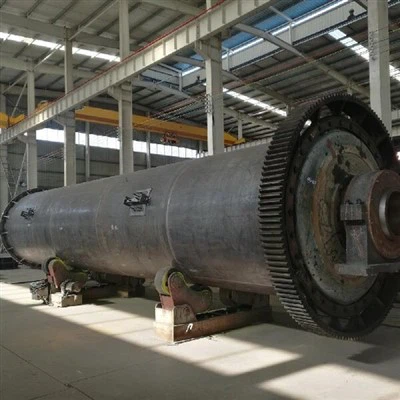
First off, let's understand what a rotary kiln is. It's a big, cylindrical device that rotates around its axis. It's used in a whole bunch of industries, like cement, mining, and chemical production. The parts of a rotary kiln work together like a well - oiled machine to make sure the kiln functions properly.
When it comes to modifying the structure of rotary kiln parts, it's not a simple yes or no answer. There are a few factors we need to consider.
Technical Feasibility
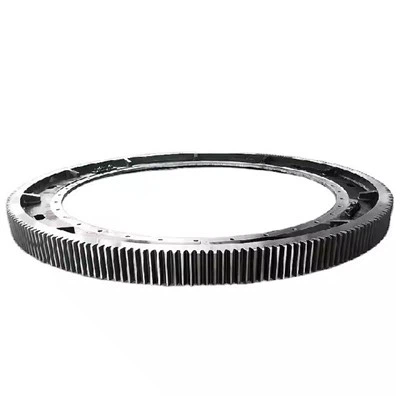
The technical aspect is super important. Different parts of the rotary kiln have specific functions. For example, the Rotary Kiln Pinion is responsible for transmitting power to the kiln, making it rotate. Modifying its structure could mess up the power transmission system. If you change the shape or size of the pinion teeth, it might not mesh properly with the gear on the kiln, leading to uneven rotation or even mechanical failures.
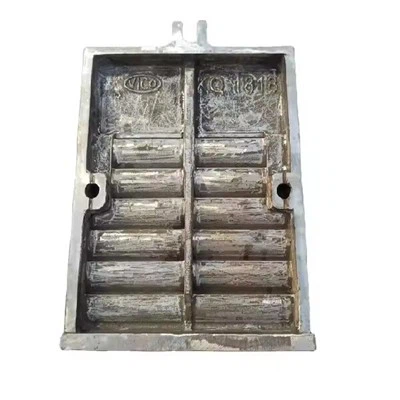
On the other hand, some parts like the Kiln Refractory Bricks can be more flexible in terms of modification. These bricks are used to line the inside of the kiln to protect it from high temperatures. In some cases, depending on the specific needs of the process, you might be able to change the type or arrangement of the refractory bricks. Maybe you need better insulation in a certain area of the kiln, so you could use bricks with higher thermal resistance.
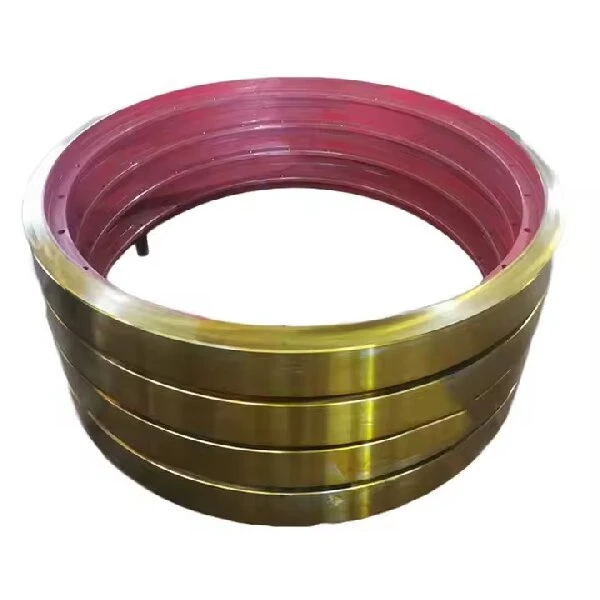
The Rotary Kiln Tyre is another crucial part. It supports the weight of the kiln and allows it to rotate smoothly. Modifying its structure needs to be done with extreme caution. If you change the diameter or width of the tyre, it can affect the alignment of the kiln and put extra stress on other components.

Safety Considerations
Safety should always be our top priority. Any modification to the structure of rotary kiln parts can potentially introduce safety risks. For instance, if a part is modified in a way that weakens its structural integrity, it could break during operation. This not only damages the kiln but can also pose a serious threat to the workers in the vicinity.
Let's say you decide to modify a support structure of the kiln. If the new design doesn't provide enough stability, the kiln could tilt or even collapse. That's a disaster waiting to happen. Before making any modifications, you need to have a detailed safety assessment. You should consult with experts who understand the mechanics and safety requirements of rotary kilns.
Cost - Benefit Analysis
Another thing to think about is the cost - benefit ratio. Modifying rotary kiln parts can be expensive. You have to consider the cost of the modification itself, including the cost of new materials, labor, and any downtime of the kiln during the modification process.
On the benefit side, you need to ask yourself what you're going to gain from the modification. Will it improve the efficiency of the kiln? Will it extend the lifespan of the parts? If the benefits outweigh the costs, then it might be worth considering. But if the cost is too high and the benefits are minimal, it's probably not a good idea.
For example, if you want to modify the internal structure of the kiln to increase its production capacity. You need to calculate how much extra production you'll get and how much that's worth. Then compare it with the cost of the modification.
Regulatory Requirements
There are also regulatory requirements that you need to comply with. Different industries have their own set of rules and standards regarding the operation and modification of industrial equipment like rotary kilns.
In some regions, any modification to the structure of a rotary kiln needs to be approved by relevant authorities. They want to make sure that the modified kiln still meets the safety and environmental standards. Failing to comply with these regulations can result in hefty fines or even the shutdown of your operation.
When Modification is a Good Idea
There are situations where modifying the structure of rotary kiln parts can be a good move. For example, if you're upgrading your production process and the existing kiln parts are not suitable for the new requirements. Maybe you're switching to a different type of raw material that requires a different temperature profile in the kiln. In this case, modifying the refractory bricks or the heating system of the kiln can help you achieve better results.
Another scenario is when you're trying to improve the energy efficiency of the kiln. You might be able to modify some parts to reduce heat loss or optimize the airflow inside the kiln. This can lead to significant savings in energy costs over time.
How We Can Help
As a supplier of rotary kiln parts, we have a team of experts who can assist you in making the right decisions about modifying the structure of your kiln parts. We have in - depth knowledge of the different parts and their functions. We can provide you with detailed technical advice and help you conduct safety assessments and cost - benefit analyses.
If you're considering a modification, we can supply you with high - quality parts that are suitable for your specific needs. Whether you need a new Rotary Kiln Pinion, Kiln Refractory Bricks, or Rotary Kiln Tyre, we've got you covered.
If you're interested in discussing the possibility of modifying the structure of your rotary kiln parts, or if you have any other questions about our products, don't hesitate to reach out. We're here to help you make the best decisions for your business.
References
- Industrial Kiln Handbook: A comprehensive guide to the design, operation, and maintenance of industrial kilns.
- Safety Standards for Industrial Equipment: Published by relevant regulatory bodies.
- Case Studies on Rotary Kiln Modifications: Compiled by industry experts.