In the world of industrial operations, efficient cooling is not just a luxury; it's a necessity. Whether you're running a large-scale manufacturing plant, a power generation facility, or any other operation that generates significant heat, the right cooling parts can make all the difference. As a cooling parts supplier, I often get asked the question: "Can I use multiple cooling parts together?" Today, I'm going to delve into this topic and provide you with a comprehensive answer.


The Basics of Cooling Parts
Before we dive into the question of using multiple cooling parts together, let's first understand the different types of cooling parts available in the market. There are several key components that play a crucial role in the cooling process:
- Heat Exchangers: These devices transfer heat from one fluid to another, typically from a hot fluid to a cooler one. Heat exchangers come in various types, including shell and tube, plate, and finned tube heat exchangers.
- Cooling Fans: Fans are used to move air over hot surfaces, dissipating heat and reducing the temperature. They can be axial fans, which move air parallel to the axis of rotation, or centrifugal fans, which move air perpendicular to the axis of rotation.
- Radiators: Similar to heat exchangers, radiators are used to cool liquids, such as engine coolant or hydraulic fluid. They work by transferring heat from the liquid to the surrounding air.
- Reclaimer Chain: Reclaimer chains are an essential part of some cooling systems, especially in industries where materials need to be cooled during the reclaiming process. They help in the efficient movement of materials and contribute to the overall cooling efficiency.
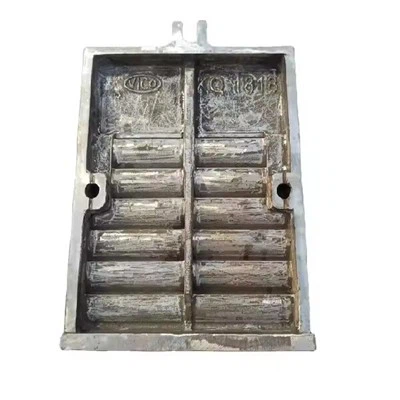
- Cooler Grate Plates: Cooler grate plates are used in cooling systems to support the material being cooled and allow for proper air circulation. They play a vital role in ensuring uniform cooling and preventing hot spots.
The Advantages of Using Multiple Cooling Parts Together
Now that we have a better understanding of the different cooling parts, let's explore the advantages of using multiple cooling parts together:
Enhanced Cooling Efficiency
One of the primary benefits of combining multiple cooling parts is enhanced cooling efficiency. Different cooling parts work in different ways to dissipate heat, and by using them together, you can create a more comprehensive cooling solution. For example, a heat exchanger can transfer heat from a hot fluid to a cooler one, while a cooling fan can help to increase the airflow over the heat exchanger, further enhancing the cooling process.
Customization
Using multiple cooling parts allows you to customize your cooling system to meet the specific needs of your operation. Every industrial process generates heat in different ways, and a one-size-fits-all approach may not be sufficient. By combining different cooling parts, you can tailor your cooling system to address the unique heat dissipation requirements of your facility.
Redundancy
In some cases, using multiple cooling parts can provide redundancy in your cooling system. If one cooling part fails, the other parts can still continue to operate, ensuring that your equipment does not overheat. This can help to prevent costly downtime and damage to your equipment.
Considerations When Using Multiple Cooling Parts Together
While there are many advantages to using multiple cooling parts together, there are also some important considerations to keep in mind:
Compatibility
Not all cooling parts are compatible with each other. Before combining multiple cooling parts, it's essential to ensure that they are designed to work together. For example, the size and capacity of the cooling parts need to be compatible to ensure that they can operate efficiently. Additionally, the materials used in the cooling parts need to be compatible to prevent corrosion and other issues.
System Design
The design of your cooling system is crucial when using multiple cooling parts. A well-designed system will ensure that the cooling parts work together seamlessly and that the overall cooling process is optimized. This may involve considering factors such as the layout of the cooling parts, the flow rate of the fluids, and the airflow patterns.
Maintenance
Using multiple cooling parts also means that there is more equipment to maintain. Regular maintenance is essential to ensure that the cooling parts are operating at their best and to prevent breakdowns. This may include tasks such as cleaning, lubricating, and inspecting the cooling parts on a regular basis.
Real-World Examples
To illustrate the benefits of using multiple cooling parts together, let's look at a few real-world examples:
Manufacturing Plant
In a manufacturing plant, a combination of heat exchangers, cooling fans, and radiators can be used to cool the machinery and equipment. The heat exchangers can transfer heat from the hot fluids generated by the machinery to a cooler fluid, while the cooling fans can increase the airflow over the heat exchangers and radiators, enhancing the cooling process. This can help to prevent overheating and extend the lifespan of the equipment.
Power Generation Facility
In a power generation facility, a cooling system may include multiple cooling parts, such as condensers, cooling towers, and pumps. The condensers can transfer heat from the steam generated by the power plant to the cooling water, while the cooling towers can dissipate the heat from the cooling water into the atmosphere. The pumps are used to circulate the cooling water through the system. By using these multiple cooling parts together, the power generation facility can maintain a stable operating temperature and improve its efficiency.
Conclusion
In conclusion, the answer to the question "Can I use multiple cooling parts together?" is yes. Using multiple cooling parts together can provide many benefits, including enhanced cooling efficiency, customization, and redundancy. However, it's important to consider factors such as compatibility, system design, and maintenance when combining multiple cooling parts. As a cooling parts supplier, I can help you to select the right cooling parts for your operation and to design a cooling system that meets your specific needs.
If you're interested in learning more about our cooling parts or in discussing how we can help you to optimize your cooling system, please don't hesitate to contact us. We're here to provide you with the best solutions for your cooling needs.
References
- ASHRAE Handbook of Refrigeration
- Perry's Chemical Engineers' Handbook
- Cooling Tower Institute Standards