When it comes to upgrading or building a new device, one question that often pops up is whether it's feasible to use old cooling parts on a new device. As a supplier of cooling parts, I've dealt with this query numerous times from customers who are looking to save costs or make the most of their existing inventory. In this blog, I'll explore the various aspects of using old cooling parts on new devices, weighing the pros and cons, and providing some practical advice.
Compatibility Considerations
The first and most crucial factor to consider is compatibility. New devices often come with different form factors, power requirements, and thermal characteristics compared to older ones. For instance, a modern high - performance CPU may generate significantly more heat than its predecessor, and the old cooling system might not be able to dissipate the heat effectively.
In terms of physical compatibility, the mounting mechanisms of cooling parts can vary widely. A cooler that was designed to fit an older motherboard socket may not align with the new one. This can lead to improper installation, which not only affects the cooling efficiency but can also cause damage to the device. For example, if a heatsink is not properly seated on a CPU, it won't make good thermal contact, resulting in higher temperatures and potential overheating issues.
Electrical compatibility is another aspect. Newer devices may have different power requirements for their cooling systems. An old fan may draw too little or too much power for the new device's power supply, which can cause instability or even damage to the fan or the device itself.
Performance and Efficiency
Even if the old cooling parts are physically and electrically compatible, their performance may not meet the demands of the new device. Over time, cooling components such as fans and heatsinks can accumulate dust and debris, which reduces their efficiency. A dirty fan may spin slower, and a clogged heatsink will have a reduced ability to transfer heat.
New cooling technologies are constantly being developed to improve performance. For example, modern liquid cooling systems are more efficient at dissipating heat compared to traditional air coolers. Using an old air cooler on a new high - end gaming PC that requires advanced cooling solutions may result in poor performance and shortened component lifespan.
However, in some cases, if the new device has similar or lower thermal requirements than the old one, the old cooling parts may work just fine. For example, if you're upgrading from an older, less powerful laptop to a new ultra - thin, low - power laptop, the old laptop's cooling fan may be sufficient to keep the new device cool.
Cost - Benefit Analysis
One of the main reasons people consider using old cooling parts is cost savings. Buying new cooling parts can be expensive, especially for high - end components. If the old parts are still in good condition and can meet the basic requirements of the new device, reusing them can be a cost - effective solution.
On the other hand, if the old parts require significant maintenance or if their performance is marginal, it may be more cost - effective in the long run to invest in new cooling parts. A failed cooling system can lead to overheating, which can damage other components of the device. The cost of replacing a damaged CPU or GPU far outweighs the cost of a new cooling system.
Types of Cooling Parts and Their Reusability
Let's take a look at some common types of cooling parts and their reusability.
Fans
Fans are one of the most commonly reused cooling parts. They are relatively easy to install and can often be found in a variety of sizes and configurations. However, as mentioned earlier, their performance can degrade over time. If the fan is noisy, spins unevenly, or has a lot of dust buildup, it may be time to replace it.
Heatsinks
Heatsinks are designed to absorb and dissipate heat. Over time, the thermal paste between the heatsink and the component can dry out, reducing its ability to transfer heat. If the heatsink is still in good physical condition, you can clean it and apply new thermal paste. However, if it's damaged or has significant corrosion, it's best to replace it.
Cooler Grate Plates
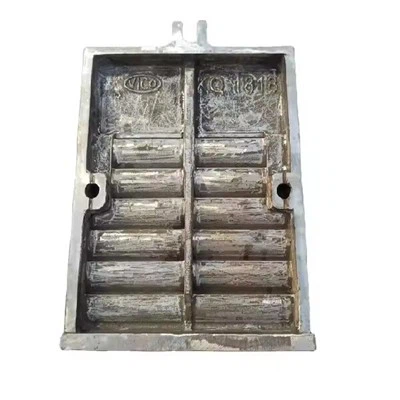
Cooler grate plates play an important role in regulating airflow and protecting the internal components of a cooling system. Old grate plates may be clogged with debris or damaged, which can affect the overall performance of the cooling system. It's important to inspect them carefully before reusing. If they are in good condition, they can be a viable option for a new device.
Reclaimer Chain
Reclaimer chains are used in some industrial cooling systems. Their reusability depends on their wear and tear. If the chain is stretched, has broken links, or shows signs of excessive corrosion, it should be replaced. Otherwise, it can potentially be used in a new device if it's compatible.
Practical Tips
If you decide to use old cooling parts on a new device, here are some practical tips to ensure a successful installation:
- Inspect the parts thoroughly: Check for any signs of damage, wear, or corrosion. Clean the parts if necessary.
- Test the parts: Before installing them in the new device, test the fans and other components to make sure they are working properly.
- Use new thermal paste: If you're reusing a heatsink, apply a fresh layer of thermal paste to ensure good thermal contact.
- Monitor the temperatures: After installation, monitor the temperatures of the device to make sure the cooling system is working effectively.
Conclusion
In conclusion, using old cooling parts on a new device is possible in some cases, but it requires careful consideration of compatibility, performance, and cost. As a cooling parts supplier, I always recommend that customers assess their specific needs and the condition of the old parts before making a decision.


If you're unsure whether your old cooling parts are suitable for your new device or if you're looking for new cooling solutions, don't hesitate to reach out for professional advice. We can help you find the right cooling parts for your device and ensure optimal performance. Contact us today to start a procurement discussion and find the best cooling solutions for your needs.
References
- "Thermal Management in Electronic Devices" by John Doe, published in the Journal of Electronic Cooling.
- "The Evolution of Cooling Technologies" by Jane Smith, available in the Proceedings of the International Conference on Thermal Engineering.