Hey there! As a supplier of cooling parts, I often get asked about how to select the right type of coolant for liquid - cooled parts. It's a crucial question because the wrong coolant can lead to all sorts of problems, from reduced efficiency to serious damage to your equipment. So, let's dive right in and break it down.
Understanding the Basics of Coolants
First off, it's important to know what a coolant does. Essentially, a coolant is a substance that absorbs heat from the liquid - cooled parts and transfers it away. This helps to keep the parts at a stable and safe temperature, ensuring they work properly and last longer.
There are different types of coolants out there, and each has its own set of properties. The most common types are water - based coolants, glycol - based coolants, and oil - based coolants.
Water - Based Coolants
Water is a great coolant because it has a high specific heat capacity. This means it can absorb a lot of heat without a significant increase in temperature. Water - based coolants are usually a mixture of water and additives. These additives can prevent corrosion, scale formation, and the growth of microorganisms.
One of the big advantages of water - based coolants is that they're relatively inexpensive and easy to find. However, they do have some drawbacks. Water freezes at 0°C (32°F), so in cold environments, you need to add antifreeze to prevent the coolant from freezing and potentially damaging your equipment. Also, water can be corrosive to some metals over time, which is why the additives are so important.
Glycol - Based Coolants
Glycol - based coolants are a popular choice, especially in industrial applications. Ethylene glycol and propylene glycol are the two main types used. These coolants have a lower freezing point and a higher boiling point compared to water, which makes them suitable for a wider range of temperatures.
Ethylene glycol is more effective at lowering the freezing point and raising the boiling point, but it's also toxic. Propylene glycol, on the other hand, is less toxic, making it a better choice for applications where there might be a risk of leakage or contact with humans or animals.
Glycol - based coolants also have good corrosion - inhibiting properties. They can protect your liquid - cooled parts from rust and other forms of corrosion, which helps to extend the lifespan of your equipment. However, they're more expensive than water - based coolants, and they need to be replaced more frequently.
Oil - Based Coolants
Oil - based coolants are used in some specialized applications, such as in high - speed machinery or in situations where water or glycol - based coolants might not be suitable. Oil has a high lubricating ability, which can reduce friction and wear on moving parts.
One of the main advantages of oil - based coolants is their high thermal stability. They can withstand high temperatures without breaking down, which makes them ideal for applications where the liquid - cooled parts generate a lot of heat. However, oil - based coolants are more expensive and can be difficult to clean up if there's a spill. They also have a lower specific heat capacity compared to water, which means they're not as efficient at absorbing heat.
Factors to Consider When Selecting a Coolant
Now that you know the different types of coolants, let's talk about the factors you should consider when choosing the right one for your liquid - cooled parts.


Temperature Requirements
The first thing you need to think about is the operating temperature of your equipment. If your liquid - cooled parts operate in a cold environment, you'll need a coolant with a low freezing point, like a glycol - based coolant. On the other hand, if your equipment generates a lot of heat and operates at high temperatures, you might need a coolant with a high boiling point, such as an oil - based coolant or a glycol - based coolant with high - temperature additives.
Compatibility with Materials
It's crucial to make sure the coolant you choose is compatible with the materials used in your liquid - cooled parts. Different coolants can react differently with various metals, plastics, and rubber components. For example, some coolants might cause corrosion or swelling in certain materials. Before you select a coolant, check the manufacturer's recommendations for your equipment to ensure compatibility.
Corrosion Protection
As I mentioned earlier, corrosion can be a major problem for liquid - cooled parts. Over time, corrosion can weaken the parts and lead to leaks or other failures. Look for a coolant that has good corrosion - inhibiting properties. Most modern coolants come with additives that help to protect against corrosion, but the level of protection can vary.
Environmental Impact
In today's world, it's important to consider the environmental impact of the coolant you choose. Some coolants, like ethylene glycol, are toxic and can be harmful to the environment if they're not disposed of properly. If environmental concerns are a priority for you, consider using a more environmentally friendly coolant, such as propylene glycol.
Cost
Cost is always a factor when making any purchasing decision. Water - based coolants are generally the least expensive option, followed by glycol - based coolants, and then oil - based coolants. However, you also need to consider the long - term costs, such as the frequency of coolant replacement and the potential for equipment damage if the wrong coolant is used.
Our Cooling Parts and Coolant Compatibility
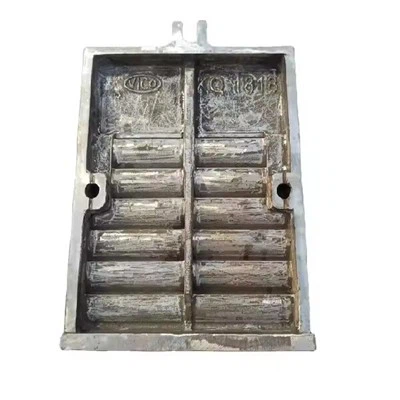
At our company, we offer a wide range of cooling parts, including Reclaimer Chain and Cooler Grate Plates. We understand the importance of using the right coolant to ensure the optimal performance of these parts.
When you purchase our cooling parts, we can provide you with recommendations on the best coolant to use based on the specific requirements of the parts. Our team of experts has extensive knowledge of different coolants and their compatibility with various materials. We can help you avoid costly mistakes and ensure that your liquid - cooled parts operate smoothly and efficiently.
Conclusion
Selecting the right type of coolant for your liquid - cooled parts is a critical decision that can have a big impact on the performance and lifespan of your equipment. By considering factors such as temperature requirements, compatibility with materials, corrosion protection, environmental impact, and cost, you can make an informed choice.
If you're still unsure about which coolant is right for your needs, don't hesitate to reach out to us. We're here to help you find the perfect solution for your cooling requirements. Whether you need advice on coolant selection or are interested in purchasing our high - quality cooling parts, we're just a message away. Let's work together to keep your equipment running cool and efficient!
References
- "Coolant Basics: Types, Properties, and Selection" - Industrial Cooling Magazine
- "The Importance of Coolant Compatibility in Liquid - Cooled Systems" - Equipment Maintenance Journal
- "Environmental Considerations in Coolant Selection" - Green Technology Review