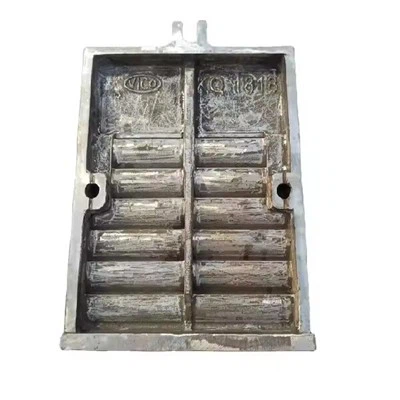
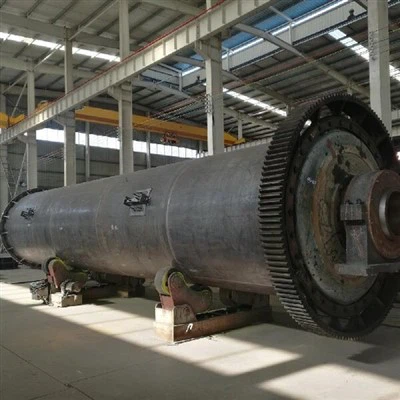
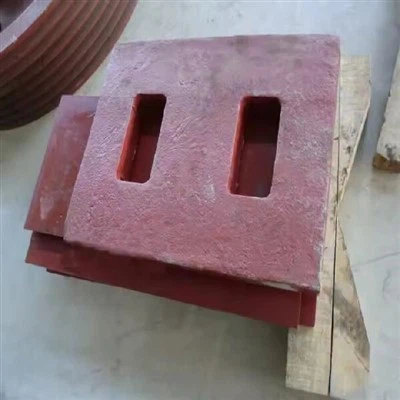
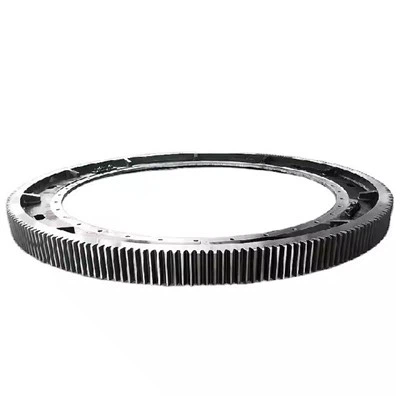
In the industrial landscape, kiln thrust rollers play a pivotal role in the smooth operation of rotary kilns. These rollers are responsible for supporting the weight of the kiln and guiding its rotation, ensuring that the kiln functions efficiently and safely. As a leading supplier of Kiln Thrust Roller, I have witnessed firsthand how new technologies are revolutionizing the performance of these crucial components.
Advanced Materials and Manufacturing Techniques
One of the most significant ways new technologies are improving the performance of kiln thrust rollers is through the use of advanced materials and manufacturing techniques. Traditionally, kiln thrust rollers were made from standard steel alloys, which had limitations in terms of wear resistance, heat resistance, and strength. However, with the development of new materials such as high-strength alloys, ceramics, and composites, the performance of kiln thrust rollers has been significantly enhanced.
High-strength alloys, for example, offer superior mechanical properties compared to traditional steel alloys. They have higher tensile strength, yield strength, and hardness, which allows them to withstand the high loads and stresses experienced in rotary kilns. These alloys also have better corrosion resistance, which is essential in environments where the kiln is exposed to harsh chemicals and gases.
Ceramics are another advanced material that is increasingly being used in the manufacturing of kiln thrust rollers. Ceramics have excellent heat resistance, wear resistance, and chemical stability, making them ideal for use in high-temperature and abrasive environments. They can withstand temperatures of up to 1,500°C without losing their mechanical properties, which is significantly higher than the temperature limits of traditional steel alloys.
Composites, which are made by combining two or more different materials, offer a unique combination of properties that are not available in single materials. For example, a composite kiln thrust roller may consist of a ceramic core surrounded by a high-strength alloy shell. This combination provides the roller with the heat resistance and wear resistance of the ceramic core, as well as the strength and toughness of the alloy shell.
In addition to advanced materials, new manufacturing techniques are also being used to improve the performance of kiln thrust rollers. For example, precision machining techniques such as computer numerical control (CNC) machining allow for the production of rollers with extremely tight tolerances and smooth surfaces. This reduces friction and wear between the roller and the kiln, which improves the efficiency of the kiln and extends the lifespan of the roller.
Sensor Technology and Monitoring Systems
Another way new technologies are improving the performance of kiln thrust rollers is through the use of sensor technology and monitoring systems. These systems allow for the real-time monitoring of the roller's performance, which enables early detection of potential problems and proactive maintenance.
Sensor technology can be used to measure a variety of parameters, such as temperature, vibration, and load. For example, temperature sensors can be installed on the roller to monitor its temperature during operation. If the temperature exceeds a certain threshold, it may indicate that the roller is experiencing excessive friction or wear, which could lead to premature failure. By detecting these issues early, maintenance can be scheduled before a major breakdown occurs, which reduces downtime and maintenance costs.


Vibration sensors can also be used to monitor the roller's performance. Excessive vibration can indicate a misalignment or imbalance in the roller, which can cause uneven wear and premature failure. By detecting these issues early, corrective action can be taken to prevent further damage to the roller and the kiln.
Load sensors can be used to measure the load on the roller during operation. This information can be used to optimize the kiln's operation and ensure that the roller is not being overloaded. By monitoring the load on the roller, the kiln operator can adjust the speed and feed rate of the kiln to ensure that the roller is operating within its design limits.
In addition to sensor technology, monitoring systems can also be used to collect and analyze data from the sensors. These systems can provide real-time alerts and reports, which allow the kiln operator to make informed decisions about maintenance and operation. For example, a monitoring system may send an alert to the operator's mobile phone if the temperature of the roller exceeds a certain threshold. The operator can then take immediate action to address the issue, such as reducing the speed of the kiln or increasing the lubrication.
Automation and Control Systems
New technologies are also being used to automate and control the operation of kiln thrust rollers. Automation and control systems can improve the efficiency and reliability of the kiln by reducing human error and optimizing the operation of the roller.
For example, automated lubrication systems can be used to ensure that the roller is properly lubricated at all times. These systems can be programmed to deliver the correct amount of lubricant at the right intervals, which reduces friction and wear between the roller and the kiln. This improves the efficiency of the kiln and extends the lifespan of the roller.
Automated alignment systems can also be used to ensure that the roller is properly aligned with the kiln. These systems can use sensors to detect any misalignment in the roller and automatically adjust its position to correct the issue. This reduces the risk of uneven wear and premature failure of the roller.
Control systems can also be used to optimize the operation of the kiln based on the roller's performance. For example, a control system may adjust the speed and feed rate of the kiln based on the load on the roller. This ensures that the roller is operating within its design limits and that the kiln is operating at its maximum efficiency.
Conclusion
In conclusion, new technologies are revolutionizing the performance of kiln thrust rollers. Advanced materials and manufacturing techniques are improving the strength, wear resistance, and heat resistance of the rollers, while sensor technology and monitoring systems are enabling real-time monitoring and proactive maintenance. Automation and control systems are also improving the efficiency and reliability of the kiln by reducing human error and optimizing the operation of the roller.
As a supplier of Kiln Thrust Roller, I am committed to staying at the forefront of these technological advancements. We offer a wide range of high-quality rollers that are designed to meet the specific needs of our customers. Our rollers are made from the latest advanced materials and manufactured using the most advanced techniques, which ensures that they provide superior performance and reliability.
If you are interested in learning more about how our kiln thrust rollers can improve the performance of your rotary kiln, please contact us to schedule a consultation. Our team of experts will be happy to answer any questions you may have and provide you with a customized solution that meets your specific needs.
References
- Smith, J. (2018). Advanced Materials for Industrial Applications. New York: Wiley.
- Jones, A. (2019). Sensor Technology and Monitoring Systems in Manufacturing. London: Elsevier.
- Brown, C. (2020). Automation and Control Systems in the Industrial Sector. Berlin: Springer.