As a supplier of rotary kiln furnaces, I understand the critical role that a well - adjusted burner plays in the overall performance of these industrial workhorses. A properly adjusted burner ensures efficient combustion, uniform heat distribution, and extends the lifespan of the rotary kiln furnace. In this blog, I'll share some essential steps and tips on how to adjust the burner in a rotary kiln furnace.
Understanding the Basics of a Rotary Kiln Furnace Burner
Before diving into the adjustment process, it's crucial to have a basic understanding of how a burner in a rotary kiln furnace works. The burner is responsible for introducing fuel and air into the kiln, where combustion occurs. The heat generated from this combustion process is used to heat the materials inside the kiln, such as clays, cement raw materials, or metals.
There are different types of burners used in rotary kiln furnaces, including single - channel, multi - channel, and pulverized coal burners. Each type has its own characteristics and adjustment requirements. However, the general principles of burner adjustment remain the same.
Step 1: Pre - adjustment Inspection
Before making any adjustments to the burner, a thorough pre - adjustment inspection is necessary. This inspection should cover the following aspects:
- Fuel Supply System: Check the fuel supply line for any leaks, blockages, or damage. Ensure that the fuel pressure is within the recommended range. Different fuels, such as natural gas, oil, or coal, have different pressure requirements. For example, natural gas typically requires a pressure of 5 - 10 psi, while oil burners may need a pressure of 100 - 200 psi.
- Air Supply System: Inspect the air ducts, fans, and dampers. Make sure there are no obstructions in the air intake or exhaust. Check the air flow rate and pressure. The air - fuel ratio is a critical factor in combustion efficiency, and an improper air supply can lead to incomplete combustion, high fuel consumption, and increased emissions.
- Burner Nozzle: Examine the burner nozzle for wear, clogging, or damage. A damaged nozzle can cause uneven fuel distribution and poor combustion. Clean or replace the nozzle if necessary.
Step 2: Initial Burner Setup
Once the pre - adjustment inspection is complete, it's time to set up the burner for initial operation.
- Fuel Flow Adjustment: Start by adjusting the fuel flow rate. This can usually be done by adjusting the fuel valve. Refer to the burner manufacturer's specifications for the recommended fuel flow rate based on the kiln's size, capacity, and the type of material being processed. For example, a small - scale rotary kiln used for firing ceramics may require a lower fuel flow rate compared to a large - scale Clinker Kiln used in cement production.
- Air Flow Adjustment: Next, adjust the air flow rate. The air - fuel ratio is typically expressed as a stoichiometric ratio, which is the ideal ratio of air to fuel for complete combustion. For most hydrocarbon fuels, the stoichiometric air - fuel ratio is around 14.7:1. However, in practice, a slightly higher air - fuel ratio (e.g., 15 - 16:1) is often used to ensure complete combustion. Adjust the air dampers to achieve the desired air flow rate.
- Ignition: Once the fuel and air flows are adjusted, attempt to ignite the burner. Follow the ignition procedure recommended by the burner manufacturer. If the burner fails to ignite, check the fuel supply, air flow, and ignition system for any issues.
Step 3: Fine - tuning the Burner
After the burner is successfully ignited, it's time to fine - tune the burner for optimal performance.
- Flame Shape and Color: Observe the flame shape and color. A well - adjusted burner should produce a stable, cone - shaped flame with a bright blue - white color at the base and a yellow - orange tip. A long, lazy flame may indicate too much fuel or too little air, while a short, choppy flame may suggest too much air or too little fuel. Adjust the fuel and air flows accordingly to achieve the desired flame shape and color.
- Temperature Distribution: Monitor the temperature distribution inside the kiln. Use thermocouples or infrared thermometers to measure the temperature at different points along the kiln. Uneven temperature distribution can lead to inconsistent product quality. If the temperature is too high in one area and too low in another, adjust the burner position, fuel flow, or air flow to improve the temperature distribution.
- Emissions Monitoring: Regularly monitor the emissions from the kiln. High levels of carbon monoxide (CO), unburned hydrocarbons (HC), or nitrogen oxides (NOx) indicate incomplete combustion or improper burner adjustment. Use an emissions analyzer to measure the levels of these pollutants. Adjust the burner to reduce emissions while maintaining efficient combustion.
Step 4: Regular Maintenance and Monitoring
Adjusting the burner is not a one - time task. Regular maintenance and monitoring are essential to ensure the burner continues to operate at its best.
- Cleaning and Inspection: Schedule regular cleaning and inspection of the burner components, including the nozzle, fuel lines, air ducts, and fans. Remove any dirt, soot, or debris that may accumulate over time.
- Performance Monitoring: Continuously monitor the burner's performance, including fuel consumption, temperature, and emissions. Keep a record of these parameters to track the burner's performance over time. Any significant changes in these parameters may indicate a need for further adjustment or maintenance.
- Training and Education: Provide training to the kiln operators on burner adjustment and maintenance. Ensure that they understand the importance of proper burner operation and are familiar with the adjustment procedures.
Special Considerations for Different Types of Rotary Kiln Furnaces
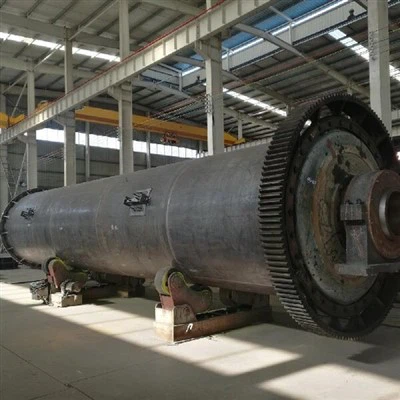
- Rotary Drum Kiln: Rotary drum kilns are commonly used in the calcination of minerals and the production of cement. These kilns typically require a high - temperature, stable flame for efficient operation. When adjusting the burner in a rotary drum kiln, pay special attention to the flame length and shape to ensure uniform heat distribution along the length of the drum.
- Plug in Type Rotary Kiln: Plug - in type rotary kilns are often used for small - scale applications, such as research and development or the production of specialty ceramics. These kilns may have different burner requirements compared to larger industrial kilns. The burner adjustment should be more precise to achieve the desired temperature and heating rate.
Conclusion
Adjusting the burner in a rotary kiln furnace is a complex but essential process that requires careful attention to detail. By following the steps outlined in this blog, you can ensure that your burner is properly adjusted, leading to efficient combustion, uniform heat distribution, and high - quality product output.
If you are in the market for a rotary kiln furnace or need further assistance with burner adjustment and maintenance, we are here to help. Our team of experts has extensive experience in the design, installation, and maintenance of rotary kiln furnaces. Contact us to discuss your specific requirements and explore how our products can meet your needs.


References
- "Industrial Furnaces: Principles, Design, and Operation" by John C. Bergman.
- "Handbook of Kiln Operations" by Cement Industry Training and Development Council.
- Manufacturer's manuals for rotary kiln furnaces and burners.