Hey there! As a supplier of rotary kiln furnaces, I often get asked about how to choose the right refractory material for these bad boys. It's a crucial decision that can make or break the performance and lifespan of your rotary kiln furnace. So, let's dive right in and explore the ins and outs of selecting the perfect refractory material.
Understanding Your Rotary Kiln Furnace
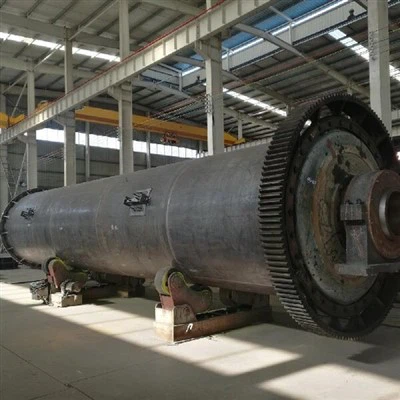
First things first, you need to have a good grasp of your rotary kiln furnace. There are different types out there, like the Plug in Type Rotary Kiln, Energy Saving Rotary Kiln, and Clinker Kiln. Each type has its own unique requirements when it comes to refractory materials.
For example, a plug-in type rotary kiln might be used in smaller-scale operations or for specific processes. It may require a refractory material that can withstand rapid temperature changes and has good insulation properties. On the other hand, an energy-saving rotary kiln is designed to be more efficient, so you'd want a refractory material that helps reduce heat loss and improve energy efficiency. And a clinker kiln, which is commonly used in the cement industry, needs a refractory material that can handle high temperatures and the abrasive nature of the clinker.
Factors to Consider
Temperature
One of the most important factors to consider is the temperature inside the rotary kiln furnace. Different refractory materials have different temperature limits. You need to choose a material that can withstand the maximum temperature your kiln will reach without melting, cracking, or losing its structural integrity.
For low-temperature applications (up to around 1000°C), materials like fireclay bricks can be a good choice. They're relatively inexpensive and have decent thermal insulation properties. But if your kiln operates at high temperatures (above 1500°C), you'll need more advanced materials like alumina-based refractories or even special ceramics.
Chemical Environment
The chemical environment inside the kiln is another crucial factor. The materials being processed in the kiln can react with the refractory material, causing corrosion or erosion. For example, if you're processing acidic materials, you'll need a refractory material that is resistant to acid attack. Similarly, if you're dealing with alkaline substances, an alkaline-resistant refractory is necessary.
Some common chemical-resistant refractory materials include silica bricks for acidic environments and magnesia bricks for alkaline environments. There are also more specialized materials available for specific chemical conditions.
Mechanical Stress
Rotary kiln furnaces are subject to mechanical stress due to the rotation of the kiln and the movement of the materials inside. The refractory material needs to be able to withstand this stress without cracking or spalling.
Materials with high strength and good thermal shock resistance are ideal for handling mechanical stress. For example, some types of castable refractories can be poured into place and form a strong, monolithic lining that can better withstand the mechanical forces in the kiln.
Thermal Conductivity
Thermal conductivity is the ability of a material to conduct heat. In a rotary kiln furnace, you generally want a refractory material with low thermal conductivity to reduce heat loss and improve energy efficiency.
Insulating refractories, such as ceramic fiber blankets or boards, have very low thermal conductivity and are great for reducing heat transfer through the kiln walls. However, they may not be suitable for the hottest parts of the kiln where higher strength and temperature resistance are required.
Types of Refractory Materials
Fireclay Bricks
Fireclay bricks are one of the most commonly used refractory materials. They're made from a mixture of clay and other minerals and are fired at high temperatures to form a hard, durable brick.
Fireclay bricks are relatively inexpensive and have good thermal insulation properties. They're suitable for low to medium-temperature applications, such as in some small-scale rotary kilns or in areas of the kiln where the temperature is not extremely high.


Alumina-Based Refractories
Alumina-based refractories are known for their high temperature resistance and excellent mechanical properties. They contain a high percentage of alumina (Al₂O₃), which gives them their strength and durability.
These refractories are commonly used in high-temperature applications, such as in the burning zone of a clinker kiln. They can withstand temperatures up to 1800°C or even higher, depending on the specific composition.
Magnesia Bricks
Magnesia bricks are highly resistant to alkaline substances and are often used in applications where the chemical environment is alkaline. They have good thermal shock resistance and can withstand high temperatures.
In the cement industry, magnesia bricks are commonly used in the clinker kiln to line the areas where the alkaline clinker is in contact with the refractory.
Castable Refractories
Castable refractories are a type of monolithic refractory that can be poured or cast into place. They offer several advantages, such as ease of installation and the ability to form complex shapes.
Castable refractories can be customized to meet specific requirements, such as high strength, good thermal shock resistance, or chemical resistance. They're often used in areas of the kiln where a seamless lining is needed or where the shape of the kiln makes it difficult to use traditional bricks.
Making the Right Choice
Now that you know the factors to consider and the types of refractory materials available, how do you make the right choice for your rotary kiln furnace?
First, assess your specific requirements based on the temperature, chemical environment, mechanical stress, and thermal conductivity needs of your kiln. Then, consult with a refractory material supplier or an expert in the field. They can help you select the most suitable material based on your specific application.
It's also a good idea to consider the cost and availability of the refractory material. While you want the best material for your kiln, you also need to balance the cost with the performance. Sometimes, a slightly less expensive material that still meets your requirements can be a more practical choice.
Conclusion
Choosing the right refractory material for a rotary kiln furnace is a complex but crucial decision. By considering factors such as temperature, chemical environment, mechanical stress, and thermal conductivity, and by understanding the different types of refractory materials available, you can make an informed choice that will ensure the optimal performance and longevity of your kiln.
If you're in the market for a rotary kiln furnace or need help selecting the right refractory material, don't hesitate to reach out. We're here to assist you in finding the best solutions for your specific needs. Whether you're looking for a Plug in Type Rotary Kiln, Energy Saving Rotary Kiln, or Clinker Kiln, we've got you covered. Let's start a conversation and find the perfect setup for your operation.
References
- "Refractories Handbook" by various authors
- Technical literature from refractory material manufacturers