Hey there! As a supplier of rotary kiln parts, I've seen firsthand how crucial it is to evaluate the performance of these components. A rotary kiln is a vital piece of equipment in many industries, including cement, mining, and metallurgy. Ensuring that its parts are in top - notch condition can significantly impact the efficiency and productivity of the entire operation. So, let's dive into how we can evaluate the performance of rotary kiln parts.
1. Visual Inspection
The first and most straightforward way to evaluate rotary kiln parts is through visual inspection. You don't need any fancy tools for this; just your eyes and a good flashlight.
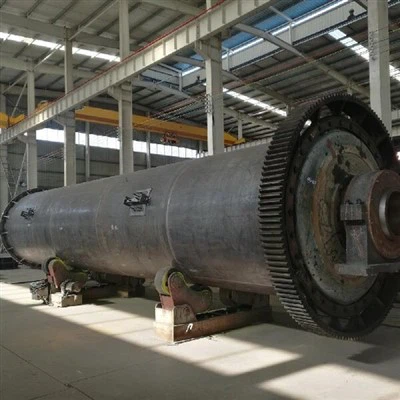
For the Kiln Shell, check for any signs of cracks, dents, or deformation. Cracks can be a major issue as they can lead to heat loss and even structural failure over time. Dents might not seem like a big deal at first, but they can cause uneven stress distribution, which can accelerate wear and tear. Also, look for any signs of corrosion on the shell. Corrosion weakens the metal and can reduce the lifespan of the kiln shell.
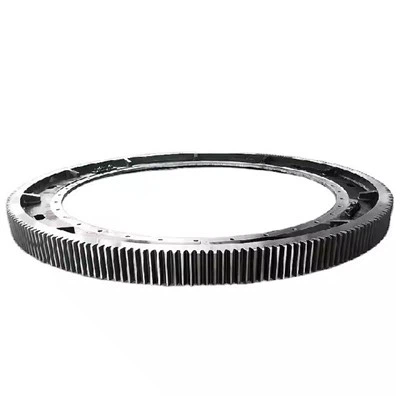
The Rotary Kiln Pinion is another critical part. Examine the teeth of the pinion for wear. Worn - out teeth can lead to poor meshing with the gear on the kiln, resulting in inefficient power transmission. Look for any chips or fractures on the teeth as well. These can cause vibrations and noise during operation, which are clear indicators of a problem.
When it comes to the Kiln Thrust Roller, check the surface for any signs of scoring or pitting. Scoring can occur due to the presence of hard particles between the roller and the kiln, while pitting is often a result of corrosion. Uneven wear on the roller surface can also cause the kiln to shift out of alignment, which can lead to more serious problems down the line.
2. Measuring Dimensions
Visual inspection is a great start, but sometimes, problems aren't visible to the naked eye. That's where measuring dimensions comes in.
For the kiln shell, use a caliper or a micrometer to measure the thickness at various points. A significant reduction in thickness can indicate excessive wear or corrosion. You should also measure the diameter of the shell at different locations to check for any ovality. Ovality can cause the kiln to rotate unevenly, putting extra stress on other parts.
When measuring the Rotary Kiln Pinion, check the diameter of the shaft and the pitch diameter of the teeth. Any deviation from the specified dimensions can affect the performance of the pinion. Also, measure the tooth profile to ensure that it meets the design requirements. A worn - out tooth profile can lead to poor contact with the gear, reducing the efficiency of power transmission.
For the Kiln Thrust Roller, measure the diameter and the width of the roller. Uneven dimensions can cause the roller to wear unevenly and can lead to misalignment of the kiln. You should also check the parallelism between the rollers to ensure that they are working together properly.
3. Monitoring Temperature
Temperature is a key indicator of the performance of rotary kiln parts. High temperatures can cause thermal expansion, which can lead to misalignment and premature wear.
Install temperature sensors on critical parts such as the kiln shell, the Rotary Kiln Pinion, and the Kiln Thrust Roller. Monitor the temperature regularly and look for any sudden spikes or abnormal temperature patterns.
For example, if the temperature of the kiln shell is rising rapidly in a particular area, it could indicate a problem with the insulation or a hot spot inside the kiln. High temperatures on the pinion can be a sign of excessive friction, which might be due to poor lubrication or misalignment. And if the temperature of the thrust roller is too high, it could mean that there is too much pressure on the roller or that the lubrication is not working effectively.
4. Analyzing Vibration
Vibration analysis is another powerful tool for evaluating the performance of rotary kiln parts. Normal operation of a rotary kiln will produce some level of vibration, but excessive or abnormal vibrations can be a sign of trouble.
Use vibration sensors to measure the amplitude and frequency of the vibrations. Compare the readings with the baseline values for a properly functioning kiln. If the vibrations are higher than normal, it could be due to a variety of factors.


For instance, misalignment of the Rotary Kiln Pinion or the Kiln Thrust Roller can cause vibrations. Worn - out bearings can also lead to increased vibrations. By analyzing the frequency of the vibrations, you can often pinpoint the source of the problem. For example, a high - frequency vibration might indicate a problem with the teeth of the pinion, while a low - frequency vibration could be due to misalignment of the kiln.
5. Lubrication Analysis
Proper lubrication is essential for the smooth operation of rotary kiln parts. Lubrication analysis can help you determine if the lubricant is still doing its job.
Take samples of the lubricant from the bearings, gears, and other moving parts at regular intervals. Analyze the samples for contaminants such as dirt, metal particles, and water. The presence of contaminants can indicate wear on the parts or a problem with the sealing system.
Also, check the viscosity of the lubricant. Viscosity is a measure of the lubricant's resistance to flow. If the viscosity is too high or too low, it can affect the lubrication performance. A decrease in viscosity can be a sign of thermal degradation, while an increase in viscosity might be due to the presence of contaminants.
6. Performance Monitoring of the Entire Kiln
Finally, it's important to look at the big picture and monitor the performance of the entire rotary kiln. Measure the production rate, the energy consumption, and the quality of the output.
A decrease in production rate could be due to a problem with one or more of the parts. For example, if the Rotary Kiln Pinion is not transmitting power efficiently, the kiln might not rotate at the proper speed, which can slow down the production process.
An increase in energy consumption can also be a sign of a problem. It could be due to excessive friction in the parts, misalignment, or poor insulation. And if the quality of the output is not up to par, it could be related to the performance of the kiln shell or other internal components.
In conclusion, evaluating the performance of rotary kiln parts is a multi - faceted process. By using a combination of visual inspection, dimension measurement, temperature monitoring, vibration analysis, lubrication analysis, and overall kiln performance monitoring, you can ensure that your rotary kiln is operating at its best.
If you're in the market for high - quality rotary kiln parts or need more advice on evaluating their performance, don't hesitate to reach out. We're here to help you keep your rotary kiln running smoothly and efficiently.
References
- "Rotary Kiln Technology Handbook"
- "Maintenance and Troubleshooting of Industrial Rotary Kilns"