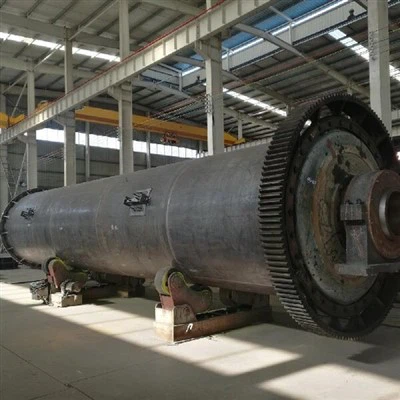
As a supplier of special rotary kilns, I've seen firsthand how crucial it is to monitor these machines in real-time. Special rotary kilns are used in a variety of industries, from cement production to lime manufacturing. Keeping an eye on their operation status helps prevent breakdowns, improve efficiency, and ensure product quality. In this blog, I'm gonna share some tips on how to monitor the operation status of a special rotary kiln in real-time.
Why Real-Time Monitoring Matters
Before we dive into the methods, let's talk about why real-time monitoring is so important. When you're running a special rotary kiln, any small issue can quickly turn into a big problem. For example, overheating can damage the kiln lining, leading to costly repairs and downtime. By monitoring the kiln in real-time, you can detect these issues early and take corrective action before they escalate.
Real-time monitoring also helps you optimize the kiln's performance. You can track variables like temperature, pressure, and rotation speed, and adjust them as needed to improve efficiency and reduce energy consumption. This not only saves you money but also makes your operation more sustainable.
Key Parameters to Monitor
There are several key parameters you should monitor to keep your special rotary kiln running smoothly. Here are some of the most important ones:
Temperature
Temperature is one of the most critical parameters in a special rotary kiln. You need to monitor the temperature at different points in the kiln, including the inlet, outlet, and inside the kiln chamber. Abnormal temperature fluctuations can indicate a variety of problems, such as uneven heating, blockages, or fuel issues.
Pressure
Pressure is another important parameter. You should monitor the pressure inside the kiln and the exhaust system. High pressure can cause leaks and damage to the kiln, while low pressure can affect the combustion process. By keeping an eye on the pressure, you can ensure that the kiln is operating within the safe range.
Rotation Speed
The rotation speed of the kiln affects the mixing and movement of the materials inside. If the rotation speed is too slow, the materials may not be mixed properly, leading to uneven heating and poor product quality. On the other hand, if the rotation speed is too fast, it can cause excessive wear and tear on the kiln components. Monitoring the rotation speed allows you to adjust it as needed to optimize the kiln's performance.
Gas Composition
The composition of the gas inside the kiln can provide valuable information about the combustion process. You should monitor the levels of oxygen, carbon dioxide, carbon monoxide, and other gases. Abnormal gas composition can indicate incomplete combustion, fuel leaks, or other problems.
Methods of Real-Time Monitoring
Now that we know what parameters to monitor, let's talk about the methods of real-time monitoring. There are several ways to monitor the operation status of a special rotary kiln, including:

Sensors and Instrumentation
One of the most common methods of real-time monitoring is using sensors and instrumentation. You can install temperature sensors, pressure sensors, speed sensors, and gas analyzers at different points in the kiln. These sensors can collect data in real-time and transmit it to a control system or a monitoring station.
For example, a thermocouple can be used to measure the temperature inside the kiln. A pressure transducer can measure the pressure in the exhaust system. And a gas analyzer can measure the composition of the gas inside the kiln. By using these sensors, you can get a detailed picture of the kiln's operation status.
Remote Monitoring Systems
Remote monitoring systems allow you to monitor the kiln's operation status from anywhere in the world. These systems use sensors and communication technologies to transmit data from the kiln to a cloud-based platform. You can access this platform using a computer, tablet, or smartphone, and view real-time data, receive alerts, and analyze historical data.
Remote monitoring systems are especially useful for companies with multiple kilns or those located in remote areas. They allow you to monitor all your kilns from a single location, saving you time and money.
Data Analytics and Machine Learning
Data analytics and machine learning can be used to analyze the data collected from the sensors and identify patterns and trends. By using these technologies, you can predict potential problems before they occur and take proactive measures to prevent them.
For example, machine learning algorithms can analyze historical data to identify patterns that indicate a high risk of overheating. Once these patterns are identified, the system can send an alert to the operator, who can take corrective action to prevent the overheating from occurring.
Case Studies
Let's take a look at some real-world examples of how real-time monitoring has helped companies improve the operation of their special rotary kilns.
Cement Production
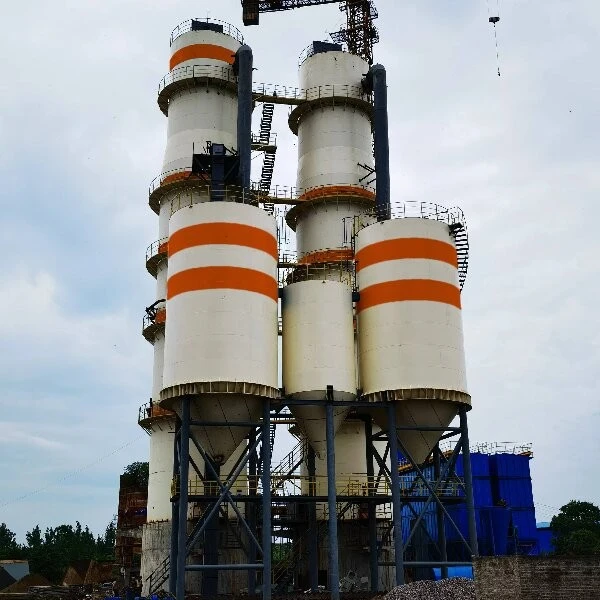
In a cement plant, real-time monitoring of the Vertical Cement Kiln helped the company detect a blockage in the exhaust system. The system alerted the operator, who was able to take immediate action to clear the blockage. This prevented a major breakdown and saved the company thousands of dollars in repairs and downtime.
Lime Manufacturing
In a lime manufacturing plant, real-time monitoring of the Vertical Lime Kiln helped the company optimize the combustion process. By monitoring the temperature, pressure, and gas composition, the operator was able to adjust the fuel flow and air intake to improve the efficiency of the kiln. This resulted in a significant reduction in energy consumption and an increase in product quality.
Shaft Lime Kiln Operation
A company using a Shaft Lime Kiln was able to detect a problem with the kiln lining through real-time monitoring. The system showed a sudden increase in temperature in a specific area of the kiln, indicating a possible damage to the lining. The operator was able to shut down the kiln and make the necessary repairs before the damage got worse.
Conclusion
Real-time monitoring is essential for ensuring the safe and efficient operation of special rotary kilns. By monitoring key parameters, using sensors and instrumentation, and leveraging data analytics and machine learning, you can detect potential problems early, optimize the kiln's performance, and reduce downtime and costs.
If you're in the market for a special rotary kiln or need to upgrade your existing monitoring system, I'd love to talk to you. We've got a wide range of special rotary kilns and monitoring solutions to meet your needs. Contact us to start a discussion about your requirements and how we can help you improve your operation.
References
- Smith, J. (2020). Best Practices for Rotary Kiln Monitoring. Industrial Heating Magazine.
- Johnson, A. (2019). Real-Time Monitoring Technologies for Special Rotary Kilns. Journal of Manufacturing Processes.
- Brown, C. (2018). Case Studies in Rotary Kiln Optimization through Real-Time Monitoring. Cement and Lime Industry Review.