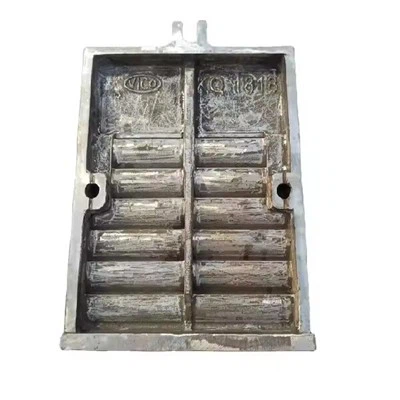
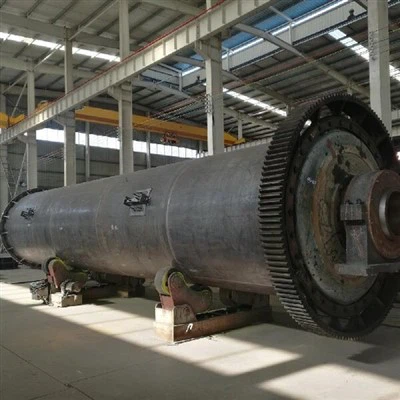
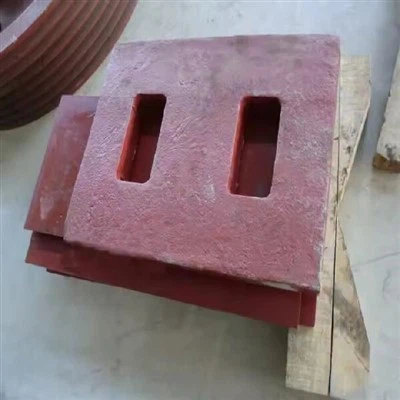
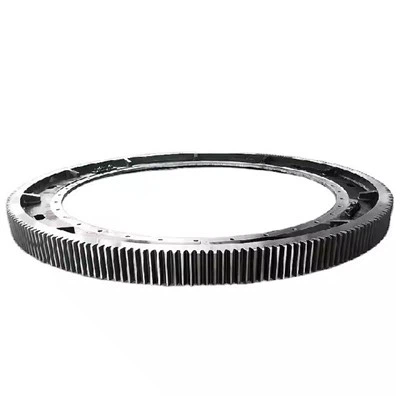
Hey there! As a supplier of rotary kiln parts, I've seen firsthand the importance of properly testing the performance of newly installed components. A rotary kiln is a crucial piece of equipment in various industries, including cement, mining, and metallurgy. Ensuring that the newly installed parts are working optimally is key to the kiln's overall efficiency and longevity. In this blog, I'll share some practical tips on how to test the performance of these parts.
Pre - Test Checks
Before you start any performance testing, it's essential to do a thorough pre - test check. First, visually inspect all the newly installed parts. Look for any signs of damage, such as cracks, dents, or misalignments. For example, if you've installed a Support Roller for Rotary Kiln, make sure it's sitting correctly on its base and that there are no visible defects on the roller surface.
Check all the connections as well. Loose bolts or nuts can cause vibrations and other issues during operation. Use a torque wrench to ensure that all fasteners are tightened to the manufacturer's specifications. Also, verify that all electrical and hydraulic connections (if applicable) are secure and free of leaks.

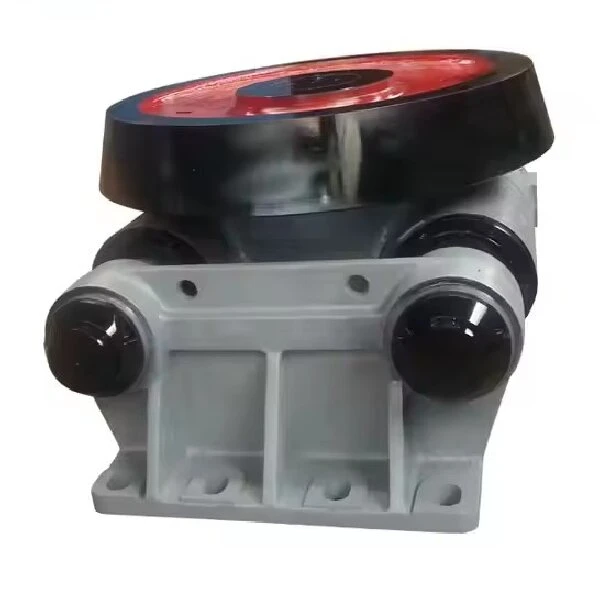
Testing the Support Roller for Rotary Kiln
The support roller is a critical part of the rotary kiln, as it helps to support the weight of the kiln shell and allows it to rotate smoothly. To test its performance, start by running the kiln at a low speed. Listen carefully for any unusual noises, like grinding or squeaking, which could indicate a problem with the roller bearings or the alignment.
Measure the temperature of the support roller during operation. An abnormal increase in temperature can be a sign of excessive friction or a lubrication issue. You can use an infrared thermometer to take temperature readings at regular intervals. If the temperature rises above the recommended range, stop the kiln immediately and investigate the cause.
Another important aspect is to check the roller's wear pattern. Over time, the support roller will wear down, but an uneven wear pattern can be a sign of misalignment or other problems. Use a caliper to measure the diameter of the roller at different points. If there are significant differences in the measurements, it may be necessary to realign the roller or replace it.
Evaluating the Kiln Thrust Roller
The Kiln Thrust Roller is responsible for controlling the axial movement of the rotary kiln. To test it, monitor the kiln's axial displacement during operation. You can use a displacement sensor to measure how much the kiln moves in the axial direction.
Check the contact between the thrust roller and the kiln shell. There should be a uniform contact pattern across the width of the roller. If the contact is uneven, it can cause excessive wear on one side of the roller and may lead to premature failure. Adjust the position of the thrust roller if necessary to ensure proper contact.
Also, test the thrust roller's ability to handle the axial load. Gradually increase the load on the kiln and observe how the thrust roller responds. If it starts to show signs of excessive wear or if there are any signs of instability, it may need to be adjusted or replaced.
Assessing the Kiln Girth Gear
The Kiln Girth Gear is used to transmit power to the rotary kiln, enabling it to rotate. To test its performance, start by checking the gear mesh. There should be a proper clearance between the teeth of the girth gear and the pinion gear. Use a feeler gauge to measure this clearance at several points around the gear.
Listen for any knocking or rattling noises when the kiln is running. These noises can indicate a problem with the gear mesh, such as improper alignment or wear. Inspect the gear teeth for any signs of pitting, scoring, or breakage. Pitting is a common form of wear that can reduce the gear's efficiency and lifespan.
Measure the vibration levels of the girth gear. Excessive vibration can be a sign of imbalance or a problem with the gear's mounting. Use a vibration analyzer to record the vibration data and compare it with the baseline values. If the vibration levels are higher than normal, it's important to identify and fix the root cause.
Lubrication Testing
Proper lubrication is essential for the smooth operation of all rotary kiln parts. Check the lubrication system for the support rollers, thrust rollers, and girth gear. Make sure that the lubricant is of the correct type and grade and that the lubrication system is working properly.
Inspect the lubricant level regularly. Low lubricant levels can lead to increased friction and wear. Also, check the quality of the lubricant. If it appears dirty or contaminated, it may need to be changed. Some lubrication systems have built - in filters to remove contaminants, but these filters should also be checked and replaced as needed.
Data Logging and Analysis
Keep a detailed record of all the test results. This includes temperature readings, vibration data, wear measurements, and any other relevant information. By analyzing this data over time, you can identify trends and potential problems before they become serious.
Use software to plot the data and create graphs. For example, you can create a graph of the support roller temperature over time to see if there are any patterns. If you notice a gradual increase in temperature, it could be a sign of a developing issue.
Post - Test Actions
After completing all the tests, review the results. If any problems were identified during the testing process, take immediate action to fix them. This may involve adjusting the parts, replacing worn components, or improving the lubrication system.
Once the issues have been resolved, repeat the tests to ensure that the performance of the newly installed parts has improved. Continuously monitor the performance of the rotary kiln parts during normal operation to catch any new problems early.
Conclusion
Testing the performance of newly installed rotary kiln parts is a crucial step in ensuring the efficient and reliable operation of the kiln. By following these steps, you can identify and address potential issues before they cause significant damage or downtime.
If you're in the market for high - quality rotary kiln parts, we're here to help. We offer a wide range of parts, including support rollers, thrust rollers, and girth gears, all made to the highest standards. Whether you need a single replacement part or a complete set, we can provide you with the right solution.
Don't hesitate to reach out to us for more information or to discuss your specific requirements. We're always happy to assist you in finding the best parts for your rotary kiln and ensuring their proper installation and performance.
References
- Manufacturer's manuals for rotary kiln parts
- Industry standards and guidelines for rotary kiln operation and maintenance
- Technical papers on rotary kiln performance testing