Troubleshooting problems with rotary kiln parts is a critical task for maintaining the efficiency and longevity of industrial operations. As a trusted rotary kiln parts supplier, I've witnessed firsthand the challenges that operators face when dealing with issues related to these complex components. In this blog, I'll share some valuable insights on how to troubleshoot common problems with rotary kiln parts, drawing on my years of experience in the industry.
Understanding the Basics of Rotary Kiln Parts
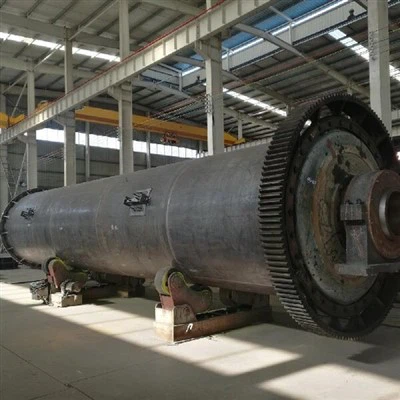
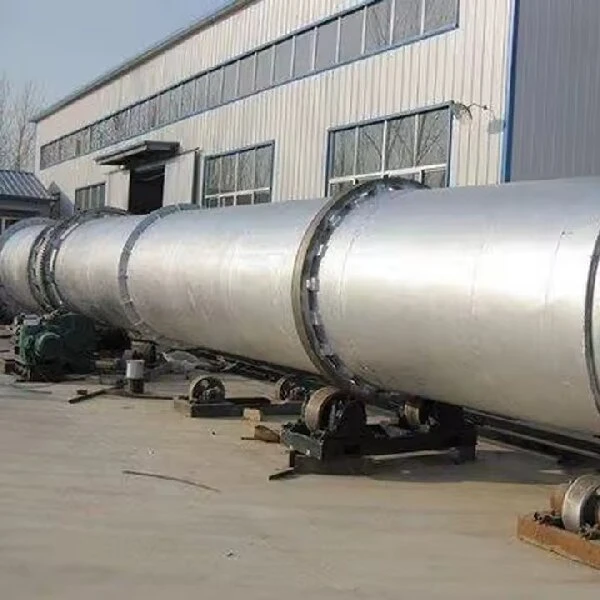
Before delving into troubleshooting, it's essential to have a solid understanding of the key components of a rotary kiln. These parts work in harmony to ensure the smooth operation of the kiln, and any malfunction can lead to significant disruptions. Some of the most important rotary kiln parts include the Support Roller for Rotary Kiln, Rotary Kiln Seal, and Kiln Thrust Roller.
The support rollers are responsible for bearing the weight of the kiln and ensuring its stable rotation. They must be properly aligned and lubricated to prevent excessive wear and tear. The rotary kiln seal, on the other hand, plays a crucial role in preventing the leakage of hot gases and materials from the kiln. A faulty seal can lead to energy losses, environmental pollution, and reduced product quality. The kiln thrust roller helps to control the axial movement of the kiln, ensuring that it remains in the correct position during operation.
Common Problems and Troubleshooting Methods
Support Roller Issues
One of the most common problems with support rollers is uneven wear. This can occur due to improper alignment, insufficient lubrication, or excessive loading. To troubleshoot this issue, start by checking the alignment of the support rollers. Use precision measuring tools to ensure that they are parallel to each other and perpendicular to the kiln axis. If misalignment is detected, adjust the rollers accordingly.
Next, inspect the lubrication system. Make sure that the rollers are receiving an adequate supply of high-quality lubricant. Check for any signs of oil leakage or contamination, and replace the lubricant if necessary. In some cases, the wear on the support rollers may be too severe to be corrected through alignment and lubrication. In such situations, it may be necessary to replace the damaged rollers with new ones.
Rotary Kiln Seal Problems
Leakage is the most prevalent problem associated with rotary kiln seals. This can be caused by a variety of factors, including wear and tear, improper installation, or damage to the seal material. To troubleshoot a leaking seal, first, visually inspect the seal for any signs of damage or wear. Look for cracks, tears, or gaps in the seal material. If damage is detected, replace the seal with a new one that is compatible with your kiln.
Ensure that the seal is properly installed and tightened. Check the mounting bolts and gaskets to make sure they are secure. If the seal is still leaking after inspection and replacement, it may be necessary to adjust the kiln's operating parameters, such as the temperature and pressure, to reduce the stress on the seal.
Kiln Thrust Roller Malfunctions
Problems with the kiln thrust roller can lead to axial movement of the kiln, which can cause misalignment and damage to other components. One common issue is excessive wear on the thrust roller surface. This can be caused by improper adjustment, insufficient lubrication, or high axial loads. To troubleshoot this problem, start by checking the adjustment of the thrust roller. Make sure that it is set to the correct position and that the clearance between the roller and the kiln is within the specified range.
Inspect the lubrication system for the thrust roller and ensure that it is functioning properly. Check for any signs of oil leakage or contamination, and replace the lubricant if necessary. If the wear on the thrust roller is severe, it may be necessary to replace the roller to prevent further damage to the kiln.
Preventive Maintenance
Preventive maintenance is key to minimizing the occurrence of problems with rotary kiln parts. Establish a regular maintenance schedule that includes inspections, lubrication, and adjustment of all kiln components. Conduct visual inspections of the support rollers, seals, and thrust rollers on a daily basis to detect any signs of wear or damage early.

Keep detailed records of all maintenance activities, including the date, type of maintenance performed, and any parts that were replaced. This will help you to track the performance of your kiln parts over time and identify any trends or patterns that may indicate potential problems.
Importance of Quality Parts
Using high-quality rotary kiln parts is essential for ensuring the reliable and efficient operation of your kiln. As a rotary kiln parts supplier, I understand the importance of providing our customers with parts that are manufactured to the highest standards. Our Support Roller for Rotary Kiln, Rotary Kiln Seal, and Kiln Thrust Roller are made from premium materials and undergo rigorous quality control tests to ensure their durability and performance.
Investing in quality parts may require a higher upfront cost, but it can save you money in the long run by reducing downtime, maintenance costs, and the need for frequent part replacements. When sourcing rotary kiln parts, always choose a reputable supplier who can provide you with reliable products and excellent customer support.
Conclusion
Troubleshooting problems with rotary kiln parts requires a combination of technical knowledge, experience, and a systematic approach. By understanding the common problems associated with support rollers, rotary kiln seals, and kiln thrust rollers, and by following the troubleshooting methods outlined in this blog, you can effectively address these issues and keep your kiln running smoothly.
Remember, preventive maintenance is essential for minimizing the occurrence of problems and extending the lifespan of your rotary kiln parts. By investing in high-quality parts from a trusted supplier, you can ensure the reliability and efficiency of your kiln operations.
If you're experiencing problems with your rotary kiln parts or need advice on maintenance and troubleshooting, don't hesitate to contact us. Our team of experts is always ready to assist you in finding the best solutions for your specific needs. Whether you need to purchase new parts or require technical support, we're here to help you keep your kiln in top condition.
References
- "Rotary Kiln Operation and Maintenance Handbook"
- Industry standards and guidelines for rotary kiln components