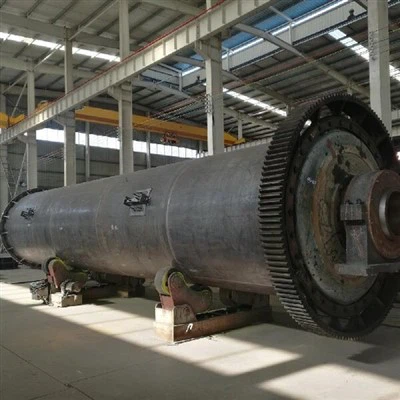
In the realm of industrial furnaces, the multi - pass rotary kiln furnace stands out as a remarkable piece of equipment. As a supplier of rotary kiln furnaces, I have witnessed firsthand the numerous advantages that this type of furnace offers to various industries. In this blog, I will delve into the key benefits of a multi - pass rotary kiln furnace, highlighting why it is a preferred choice for many businesses.
High Thermal Efficiency
One of the most significant advantages of a multi - pass rotary kiln furnace is its high thermal efficiency. The multi - pass design allows the material being processed to have multiple contacts with the hot gases within the kiln. This extended interaction time between the material and the heat source means that more heat is transferred to the material. As a result, less energy is wasted, and the overall energy consumption of the furnace is reduced.
Compared to other types of kilns such as the Periodic Kiln, which often have a batch - type operation and may experience significant heat losses during loading and unloading, the multi - pass rotary kiln furnace can maintain a more continuous and efficient heat transfer process. The continuous rotation of the kiln ensures that the material is evenly heated throughout the entire process, maximizing the utilization of thermal energy.
Uniform Heating
Uniform heating is crucial in many industrial processes, especially those involving the calcination, roasting, or sintering of materials. The multi - pass rotary kiln furnace excels in providing uniform heating due to its unique design. As the kiln rotates, the material tumbles and moves through the different passes, ensuring that every particle of the material is exposed to the heat source for an appropriate amount of time.


This uniform heating is essential for achieving consistent product quality. For example, in the production of cement, a uniform heating process in the kiln is necessary to ensure that the raw materials are properly calcined and transformed into high - quality clinker. In contrast, Pusher Kiln may have some limitations in providing uniform heating, as the material moves in a linear fashion and may experience uneven heat distribution along the way.
High Capacity and Throughput
Multi - pass rotary kiln furnaces are designed to handle large volumes of materials. The continuous operation of the kiln allows for a high throughput, making it suitable for large - scale industrial production. The multi - pass design further enhances the capacity of the furnace by increasing the effective length of the heating zone without significantly increasing the physical footprint of the equipment.
This high capacity and throughput are particularly beneficial for industries such as mining, where large quantities of ores need to be processed. For instance, in the calcination of limestone for the production of lime, a multi - pass rotary kiln furnace can process a substantial amount of limestone in a relatively short period, meeting the high - demand requirements of the market.
Versatility in Material Processing
Another advantage of the multi - pass rotary kiln furnace is its versatility in processing a wide range of materials. It can be used for the treatment of various minerals, such as iron ore, copper ore, and zinc ore, as well as non - metallic materials like clay, graphite, and alumina.
The adjustable operating parameters of the multi - pass rotary kiln furnace, such as temperature, rotation speed, and residence time, allow for the optimization of the processing conditions for different materials. This versatility makes it a valuable asset for industries that deal with multiple types of materials or need to adapt to changing production requirements. In comparison, the Rotary Calcination Furnace, while also capable of processing a variety of materials, may have more limitations in terms of the complexity of the processing due to its relatively simpler design.
Low Maintenance Requirements
From a maintenance perspective, multi - pass rotary kiln furnaces are relatively easy to maintain. The robust construction of the kiln, with high - quality refractory lining and durable rotating components, ensures a long service life with minimal downtime. The continuous operation of the kiln also reduces the wear and tear on the equipment compared to intermittent - operation kilns.
Regular maintenance tasks mainly involve checking the refractory lining for damage, inspecting the rotating mechanism for proper alignment and lubrication, and monitoring the temperature and pressure sensors. With proper maintenance, a multi - pass rotary kiln furnace can operate efficiently for many years, providing a reliable solution for industrial production.
Environmental Friendliness
In today's environmentally conscious world, the environmental performance of industrial equipment is of great concern. Multi - pass rotary kiln furnaces are designed with environmental considerations in mind. The high thermal efficiency of the furnace reduces energy consumption, which in turn reduces greenhouse gas emissions.
Additionally, the multi - pass design allows for better control of the combustion process, minimizing the generation of pollutants such as sulfur dioxide and nitrogen oxides. Some multi - pass rotary kiln furnaces are also equipped with advanced emission control systems, such as dust collectors and scrubbers, to further reduce the environmental impact of the operation.
Automation and Control
Modern multi - pass rotary kiln furnaces are often equipped with advanced automation and control systems. These systems allow for precise control of the operating parameters, such as temperature, rotation speed, and material feed rate. The automation of the kiln operation not only improves the efficiency and consistency of the process but also reduces the need for manual labor.
The control systems can also monitor the performance of the kiln in real - time, providing valuable data for process optimization and predictive maintenance. For example, by analyzing the temperature and pressure data, operators can detect potential problems in the kiln early and take preventive measures to avoid costly breakdowns.
Cost - Effectiveness
When considering the overall cost of operation, the multi - pass rotary kiln furnace offers a cost - effective solution. The high thermal efficiency, low maintenance requirements, and high throughput contribute to lower operating costs per unit of product. Although the initial investment in a multi - pass rotary kiln furnace may be relatively high, the long - term savings in energy consumption, maintenance, and labor costs make it a worthwhile investment for many businesses.
In conclusion, the multi - pass rotary kiln furnace offers a multitude of advantages, including high thermal efficiency, uniform heating, high capacity and throughput, versatility in material processing, low maintenance requirements, environmental friendliness, automation and control, and cost - effectiveness. These benefits make it an ideal choice for a wide range of industrial applications.
If you are interested in learning more about our multi - pass rotary kiln furnaces or are considering purchasing one for your industrial process, we invite you to contact us for further discussion and negotiation. Our team of experts is ready to provide you with detailed information and customized solutions to meet your specific needs.
References
- Perry, R. H., & Green, D. W. (1997). Perry's Chemical Engineers' Handbook. McGraw - Hill.
- Schack, C. V. (1988). Industrial Furnaces: Principles, Design and Operation. Butterworth - Heinemann.
- Gupta, C. K., & Yan, D. H. (2006). Mineral Processing Design and Operations: An Introduction. Elsevier.