


Auxiliary parts play a crucial role in various industries, serving as essential components that complement and enhance the functionality of primary equipment. As a leading supplier of auxiliary parts, I have witnessed firsthand the diverse applications and significance of these components in different sectors. In this blog post, I will explore the common applications of auxiliary parts and highlight their importance in ensuring the smooth operation of industrial processes.
Manufacturing Industry
In the manufacturing industry, auxiliary parts are used extensively to support the production process. For example, in metalworking, slag pots are essential for collecting and transporting molten slag, a byproduct of metal smelting. These High Quality Slag Pot are designed to withstand high temperatures and corrosive environments, ensuring safe and efficient handling of the slag. Additionally, industrial dust collector bags are used to capture and remove dust and particulate matter generated during manufacturing operations. These Industrial Dust Collector Bags help to maintain a clean and safe working environment, protect workers' health, and prevent damage to equipment.
Power Generation
The power generation industry relies heavily on auxiliary parts to ensure the reliable and efficient operation of power plants. For instance, industrial filter bag cages are used in coal-fired power plants to support the filter bags in the dust collection systems. These Industrial Filter Bag Cage provide structural support to the filter bags, preventing them from collapsing under the weight of the accumulated dust. They also help to maintain the shape of the filter bags, ensuring optimal filtration efficiency and reducing the risk of bag failure. Other auxiliary parts used in power generation include pumps, valves, and fans, which are essential for the circulation of water, steam, and air in the power plant.
Chemical and Petrochemical Industry
In the chemical and petrochemical industry, auxiliary parts are used to handle and process various chemicals and petroleum products. For example, storage tanks and pipelines are used to store and transport chemicals safely. These auxiliary parts are designed to resist corrosion and ensure the integrity of the stored materials. Additionally, pumps and compressors are used to move fluids and gases through the processing equipment, while valves are used to control the flow and pressure of the materials. Auxiliary parts such as heat exchangers are also used to transfer heat between different fluids, improving the efficiency of the chemical processes.
Food and Beverage Industry
The food and beverage industry requires high-quality auxiliary parts to ensure the safety and quality of the products. For instance, conveyors are used to transport raw materials and finished products within the production facility. These conveyors are designed to be hygienic and easy to clean, preventing the contamination of the food products. Packaging machinery also relies on auxiliary parts such as seals and gaskets to ensure the proper sealing of food packages, extending the shelf life of the products. Furthermore, filtration systems are used to remove impurities and contaminants from the water and ingredients used in food and beverage production, ensuring the purity and safety of the final products.
Construction Industry
In the construction industry, auxiliary parts are used to support the building process and enhance the functionality of the completed structures. For example, scaffolding is an essential auxiliary part that provides a safe working platform for construction workers at elevated heights. Cranes and hoists are used to lift and move heavy materials and equipment on the construction site. Additionally, concrete pumps are used to transport concrete to different parts of the building, improving the efficiency of the concrete pouring process. Other auxiliary parts such as plumbing fixtures and electrical components are also used in the construction of buildings, providing essential services such as water supply, drainage, and electricity.
Importance of High-Quality Auxiliary Parts
Using high-quality auxiliary parts is crucial for several reasons. Firstly, they ensure the reliability and performance of the primary equipment. By using parts that are designed and manufactured to meet strict quality standards, the risk of equipment breakdown and downtime is significantly reduced. This can save companies a substantial amount of money in terms of repair and replacement costs, as well as lost production time.
Secondly, high-quality auxiliary parts contribute to the safety of the workers and the environment. For example, in industries where hazardous materials are handled, such as the chemical and petrochemical industry, using reliable and durable auxiliary parts can prevent leaks and spills, reducing the risk of accidents and environmental pollution.
Finally, high-quality auxiliary parts can improve the overall efficiency of the industrial processes. By using parts that are designed to work together seamlessly, the energy consumption and operating costs of the equipment can be reduced. This not only benefits the company's bottom line but also contributes to a more sustainable and environmentally friendly operation.
Conclusion
Auxiliary parts are an integral part of various industries, with diverse applications that range from manufacturing and power generation to food and beverage production and construction. As a supplier of auxiliary parts, I understand the importance of providing high-quality products that meet the specific needs of our customers. Whether you are looking for slag pots, industrial dust collector bags, or industrial filter bag cages, we have the expertise and resources to provide you with the right solutions.
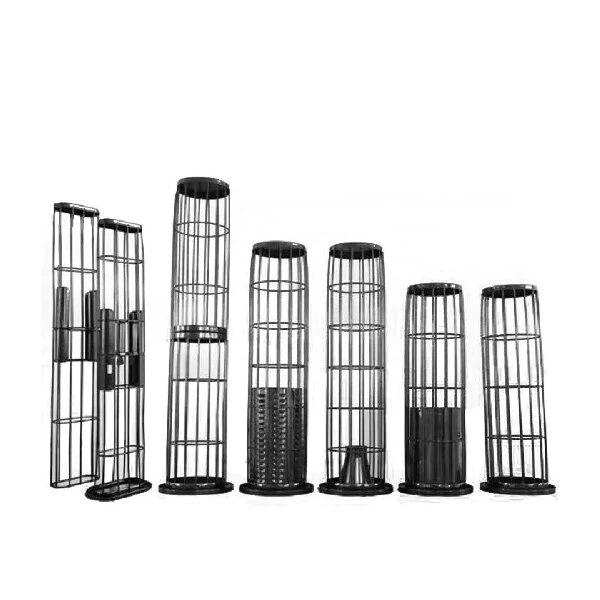

If you are interested in learning more about our auxiliary parts or would like to discuss your specific requirements, please feel free to contact us. Our team of experts is ready to assist you in finding the best products for your applications and to provide you with professional advice and support. We look forward to the opportunity to work with you and to contribute to the success of your business.
References
- Smith, J. (2020). Industrial Auxiliary Parts: A Comprehensive Guide. New York: Industrial Press.
- Johnson, R. (2019). The Role of Auxiliary Parts in Manufacturing Processes. Journal of Manufacturing Technology, 35(2), 45 - 56.
- Brown, A. (2018). Safety and Quality Considerations in the Selection of Auxiliary Parts. International Journal of Industrial Safety, 20(3), 78 - 89.




