Hey there, photography enthusiasts! If you're into cameras, you know how important it is to keep them running smoothly. Just like a car needs a good cooling system to prevent overheating, cameras also have parts that help manage their temperature. As a cooling parts supplier, I've seen firsthand how crucial these components are for the performance and longevity of cameras. So, let's dive into the world of camera cooling parts.
Why Do Cameras Need Cooling?
Before we get into the specific parts, let's talk about why cameras need cooling in the first place. When you're shooting high - resolution videos, taking long - exposure photos, or using your camera in hot environments, it generates a lot of heat. This heat can cause several problems. For one, it can lead to sensor noise, which makes your photos and videos look grainy. It can also reduce the lifespan of internal components, like the image sensor and the processor. In extreme cases, overheating can even cause the camera to shut down unexpectedly.
Heat Sinks
One of the most common cooling parts in a camera is the heat sink. A heat sink is a passive cooling device that works by absorbing and dissipating heat. It's usually made of a metal with high thermal conductivity, like aluminum or copper. The heat sink has fins on it, which increase the surface area. The larger the surface area, the more heat can be transferred from the heat sink to the surrounding air.
In cameras, heat sinks are often placed near the components that generate the most heat, such as the image sensor and the processor. They help to keep these components at a reasonable temperature, so they can function properly. Some high - end cameras even have multiple heat sinks to handle the heat generated by different parts of the camera.
Fans
Fans are another important cooling part. Unlike heat sinks, which are passive, fans are active cooling devices. They work by blowing air over the heat sinks or other hot components in the camera. This helps to increase the rate of heat transfer from the components to the air.
There are different types of fans used in cameras. Some are small, low - profile fans that are designed to fit inside the compact body of a camera. Others are larger and more powerful, and they're used in professional cameras that generate a lot of heat. Fans can be controlled by the camera's internal system. For example, they might turn on automatically when the temperature inside the camera reaches a certain level.
Cooling Pipes
Cooling pipes, also known as heat pipes, are a more advanced cooling solution. They're often used in high - end cameras or cameras that are used in demanding shooting conditions. Heat pipes are sealed tubes that contain a small amount of liquid, usually water or a refrigerant.


The way heat pipes work is quite interesting. When one end of the heat pipe is in contact with a hot component, the liquid inside the pipe absorbs the heat and turns into vapor. The vapor then moves to the other end of the pipe, where it releases the heat and condenses back into a liquid. The liquid then flows back to the hot end of the pipe, and the cycle repeats. This process is very efficient at transferring heat, and it allows heat to be moved from one part of the camera to another, where it can be dissipated more easily.
Cooler Grate Plates
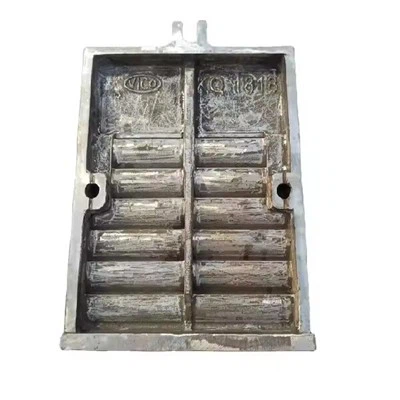
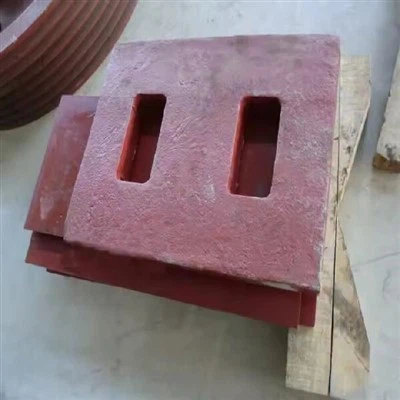
Cooler grate plates are an often - overlooked but important part of the camera cooling system. These plates are usually made of a metal or a composite material, and they're designed to allow air to flow through them while also protecting the internal components of the camera.
They're typically placed on the outside of the camera, in areas where air intake or exhaust occurs. The grate design helps to prevent dust and debris from entering the camera while still allowing for proper ventilation. Some cooler grate plates are also designed to be removable, so they can be cleaned easily. This is important because if the grate plates get clogged with dust, it can reduce the efficiency of the cooling system.
Reclaimer Chain
Now, the reclaimer chain might not be a part that you immediately associate with camera cooling, but it plays a role in some camera systems. In cameras that use a continuous shooting mode or have a high - speed data transfer system, the reclaimer chain helps to manage the heat generated by these processes.
It's a mechanical or electronic component that helps to recycle and manage the energy used in the camera. By doing so, it can reduce the overall heat generation. For example, it might recover some of the energy that would otherwise be wasted as heat and use it for other functions in the camera. This not only helps with cooling but also improves the camera's energy efficiency.
Choosing the Right Cooling Parts
If you're a camera manufacturer or someone who's looking to upgrade the cooling system of your camera, it's important to choose the right cooling parts. You need to consider factors like the size of the camera, the amount of heat it generates, and the environment in which it will be used.
For example, if you have a small, compact camera that doesn't generate a lot of heat, a simple heat sink might be enough. But if you have a professional camera that's used for long - term video shooting or in hot environments, you might need a combination of heat sinks, fans, and cooling pipes.
Maintaining Camera Cooling Parts
Once you have the right cooling parts in your camera, it's important to maintain them. Regular cleaning is essential. Dust and debris can accumulate on the heat sinks, fans, and cooling pipes, which can reduce their efficiency. You can use a soft brush or compressed air to clean these parts.
It's also a good idea to check the fans regularly to make sure they're working properly. If a fan is making a strange noise or not spinning as fast as it should, it might need to be replaced. And if you have a camera with cooling pipes, make sure there are no leaks or blockages in the pipes.
Contact Us for Your Cooling Parts Needs
If you're in the market for high - quality camera cooling parts, look no further. As a leading cooling parts supplier, we have a wide range of products to meet your needs. Whether you need heat sinks, fans, cooling pipes, Cooler Grate Plates, or Reclaimer Chain, we've got you covered.
Our parts are made from the best materials and are designed to provide optimal performance. We understand the importance of keeping your camera cool, and we're committed to providing you with the best solutions. So, if you're interested in purchasing camera cooling parts or have any questions, don't hesitate to get in touch with us. We're here to help you keep your camera running at its best.
References
- "Camera Technology Handbook" - A comprehensive guide to the technology behind cameras, which includes information on cooling systems.
- "Thermal Management in Electronic Devices" - This book provides in - depth knowledge about how to manage heat in electronic devices, including cameras.
- Industry reports from camera manufacturers and cooling parts suppliers, which offer insights into the latest trends and technologies in camera cooling.