A lawn mower is a complex machine that relies on several components to function efficiently, especially when it comes to managing heat. Cooling parts play a crucial role in maintaining the optimal temperature of a lawn mower's engine and other vital systems. As a cooling parts supplier, I understand the importance of these components and their impact on the performance and longevity of lawn mowers. In this blog, I will explore the various cooling parts found in a lawn mower and their functions.
Radiator
The radiator is one of the most important cooling parts in a lawn mower. It works by transferring heat from the engine coolant to the surrounding air. The coolant, usually a mixture of water and antifreeze, circulates through the engine, absorbing heat as it goes. It then flows into the radiator, where it passes through a series of small tubes. These tubes are surrounded by fins that increase the surface area, allowing for more efficient heat transfer. As air passes over the fins, it cools the coolant, which is then pumped back into the engine to repeat the process.
A well - functioning radiator is essential for preventing the engine from overheating. Overheating can cause significant damage to the engine, such as warped cylinder heads, blown gaskets, and even seized pistons. Regular maintenance of the radiator, including flushing the coolant and checking for leaks, is necessary to ensure its proper operation.
Cooling Fan
The cooling fan is another critical component in the lawn mower's cooling system. Its main function is to draw air through the radiator, enhancing the heat transfer process. There are two types of cooling fans commonly used in lawn mowers: mechanical and electric.
Mechanical fans are driven by the engine's crankshaft via a belt or pulley system. As the engine runs, the fan spins, pulling air through the radiator. These fans are simple and reliable but can consume some engine power.
Electric fans, on the other hand, are powered by the lawn mower's electrical system. They are controlled by a thermostat, which activates the fan when the engine temperature reaches a certain level. Electric fans are more energy - efficient and can provide better cooling control compared to mechanical fans.
Shrouds
Shrouds are often overlooked but are an important part of the cooling system. They are designed to direct the flow of air through the radiator and around other heat - generating components. By channeling the air in a specific direction, shrouds ensure that the maximum amount of air passes over the radiator fins, improving the cooling efficiency.


Shrouds are typically made of plastic or metal and are custom - designed to fit the specific model of the lawn mower. They can also help protect the radiator and other components from debris, such as grass clippings and dirt, which can reduce the cooling performance if they accumulate on the radiator fins.
Coolant Reservoir
The coolant reservoir, also known as the overflow tank, is a small container that holds excess coolant. As the engine heats up, the coolant expands, and some of it is forced into the reservoir. When the engine cools down, the coolant contracts, and the excess coolant is drawn back into the radiator.
The coolant reservoir serves several important functions. It helps maintain a consistent level of coolant in the radiator, preventing air pockets from forming. It also allows for easy visual inspection of the coolant level, making it easier to detect leaks or low coolant levels. Regularly checking the coolant level in the reservoir and topping it up as needed is an important part of lawn mower maintenance.
Cooler Grate Plates
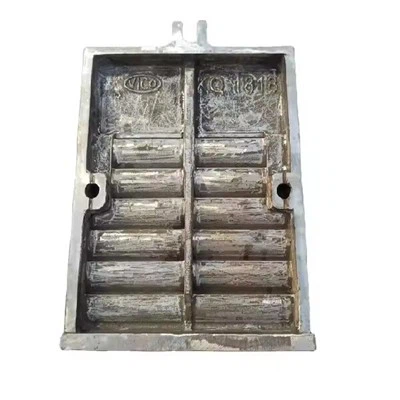
Cooler grate plates are used in some lawn mower cooling systems, especially in larger or more heavy - duty models. These plates are typically made of metal and are designed to provide additional support and protection to the radiator. They can also help distribute the airflow more evenly across the radiator surface, improving the overall cooling efficiency.
In addition to their cooling function, cooler grate plates can also act as a barrier against debris, preventing large objects from hitting and damaging the radiator. They are often easy to replace if they become damaged, making them a practical and cost - effective component in the cooling system.
Reclaimer Chain
Although not as well - known as some of the other cooling parts, the reclaimer chain can play a role in the cooling process. In some lawn mowers, the reclaimer chain is part of a system that helps remove debris from the radiator and other cooling components.
As the lawn mower operates, grass clippings, dirt, and other debris can accumulate on the radiator fins, reducing the airflow and cooling efficiency. The reclaimer chain is designed to scrape or brush away this debris, ensuring that the radiator can continue to function properly. This can help prevent overheating and extend the life of the lawn mower's engine.
Thermostat
The thermostat is a small but important component in the cooling system. It acts as a valve that regulates the flow of coolant between the engine and the radiator. When the engine is cold, the thermostat remains closed, allowing the coolant to circulate only within the engine. This helps the engine reach its optimal operating temperature more quickly.
Once the engine reaches the appropriate temperature, the thermostat opens, allowing the coolant to flow into the radiator for cooling. By controlling the coolant flow, the thermostat helps maintain a stable engine temperature, which is essential for efficient engine performance and longevity.
Water Pump
The water pump is responsible for circulating the coolant throughout the engine and the radiator. It is typically driven by the engine's crankshaft via a belt or pulley system. As the pump rotates, it creates pressure that forces the coolant to flow through the cooling system.
A malfunctioning water pump can lead to poor coolant circulation, which can cause the engine to overheat. Signs of a failing water pump include coolant leaks, strange noises coming from the pump, and overheating of the engine. Regular inspection and maintenance of the water pump are necessary to ensure its proper operation.
Conclusion
In conclusion, the cooling parts in a lawn mower are essential for maintaining the optimal temperature of the engine and other vital systems. From the radiator and cooling fan to the shrouds and coolant reservoir, each component plays a specific role in the cooling process. As a cooling parts supplier, I am committed to providing high - quality parts that meet the needs of lawn mower owners and manufacturers.
If you are in the market for cooling parts for your lawn mower or are a manufacturer looking for reliable suppliers, I encourage you to contact me. We can discuss your specific requirements and find the best solutions for your cooling needs. Whether you need a replacement radiator, a new cooling fan, or any other cooling component, I have the expertise and products to help you keep your lawn mower running smoothly.
References
- Lawn Mower Maintenance Manuals from various manufacturers
- Automotive Cooling System Literature for general cooling system principles applicable to lawn mowers
- Industry research on the performance and durability of cooling parts in small engines