In the intricate ecosystem of the automotive industry, auxiliary parts play a role that is both understated and indispensable. As a dedicated auxiliary parts supplier, I've witnessed firsthand how these components contribute to the overall functionality, performance, and longevity of vehicles. This blog aims to shed light on the diverse functions of auxiliary parts in a vehicle, exploring their significance and the value they bring to the automotive world.
1. Safety Enhancement
One of the primary functions of auxiliary parts is to enhance vehicle safety. Components such as brake pads, brake rotors, and ABS sensors are crucial for ensuring reliable braking performance. Brake pads, for instance, are designed to create friction against the brake rotors, converting the kinetic energy of the moving vehicle into heat energy to slow down or stop the vehicle. Worn-out brake pads can significantly reduce braking efficiency, increasing the risk of accidents. By providing high-quality brake pads, we as suppliers contribute to the safety of drivers and passengers on the road.
Another safety-related auxiliary part is the airbag system. Airbags are designed to deploy in the event of a collision, providing a cushioning effect to protect the occupants from impact. The sensors that detect a collision and trigger the airbag deployment are also auxiliary parts. These sensors need to be highly sensitive and reliable to ensure that the airbag deploys at the right time and with the right force.
2. Performance Optimization
Auxiliary parts also play a vital role in optimizing vehicle performance. For example, the fuel filter is an auxiliary part that helps to ensure that the fuel entering the engine is clean and free of contaminants. A clogged fuel filter can restrict the flow of fuel to the engine, leading to reduced power, poor acceleration, and increased fuel consumption. By providing high-quality fuel filters, we help to keep the engine running smoothly and efficiently.
The ignition system is another area where auxiliary parts can have a significant impact on performance. Spark plugs, ignition coils, and ignition wires are all auxiliary parts that work together to create a spark that ignites the air-fuel mixture in the engine cylinders. A faulty ignition system can cause misfires, rough idling, and reduced power. By supplying high-performance ignition components, we can help to improve engine performance and fuel efficiency.
3. Comfort and Convenience
Auxiliary parts also contribute to the comfort and convenience of vehicle occupants. The air conditioning system, for example, is an auxiliary part that helps to keep the interior of the vehicle cool and comfortable, especially in hot weather. The compressor, condenser, evaporator, and refrigerant are all components of the air conditioning system. A malfunctioning air conditioning system can make the driving experience unpleasant, especially during long trips.
The audio system is another auxiliary part that enhances the comfort and convenience of vehicle occupants. Modern vehicles are equipped with sophisticated audio systems that include speakers, amplifiers, and head units. These systems allow passengers to listen to music, podcasts, and other audio content while on the road. By supplying high-quality audio components, we can help to improve the in-car entertainment experience.
4. Environmental Protection
In today's world, environmental protection is a major concern. Auxiliary parts can play a role in reducing the environmental impact of vehicles. For example, the catalytic converter is an auxiliary part that helps to reduce harmful emissions from the engine. The catalytic converter contains a catalyst that converts harmful pollutants such as carbon monoxide, hydrocarbons, and nitrogen oxides into less harmful substances such as carbon dioxide, water, and nitrogen.
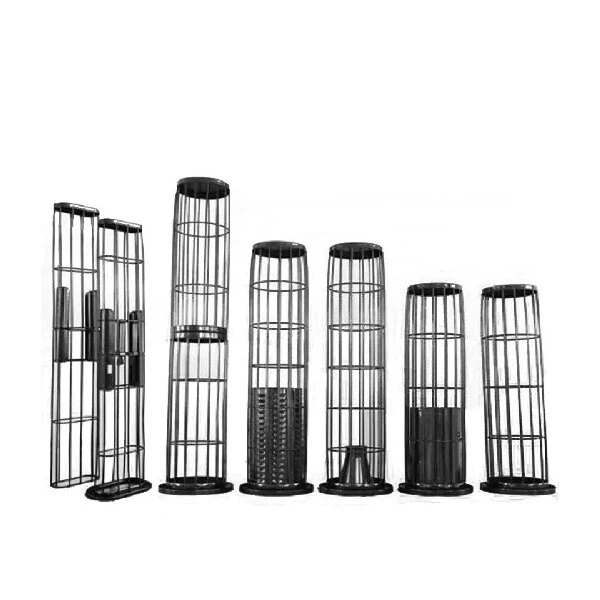

The Industrial Filter Bag Cage and Industrial Dust Collector Bags are also important auxiliary parts for environmental protection. These parts are used in industrial applications to collect dust and other particulate matter, preventing them from being released into the atmosphere. By supplying high-quality industrial filter bag cages and dust collector bags, we can help to reduce air pollution and protect the environment.
5. Maintenance and Longevity
Auxiliary parts are also essential for vehicle maintenance and longevity. Regular maintenance of auxiliary parts such as oil filters, air filters, and coolant hoses can help to prevent engine damage and extend the life of the vehicle. For example, the oil filter is responsible for removing contaminants from the engine oil, preventing them from causing wear and tear on the engine components. By replacing the oil filter at regular intervals, we can help to keep the engine lubricated and running smoothly.
The Cyclone Dip Tube is another auxiliary part that is important for maintenance and longevity. Cyclone dip tubes are used in cyclone separators to separate solid particles from a gas stream. By supplying high-quality cyclone dip tubes, we can help to ensure that the cyclone separators operate efficiently and effectively, reducing the need for maintenance and replacement.
Conclusion
In conclusion, auxiliary parts play a diverse and crucial role in the automotive industry. From safety enhancement and performance optimization to comfort and convenience, environmental protection, and maintenance and longevity, these components are essential for the proper functioning of vehicles. As an auxiliary parts supplier, we are committed to providing high-quality products that meet the needs of our customers. Whether you are an automotive manufacturer, a repair shop, or an individual vehicle owner, we have the auxiliary parts you need to keep your vehicle running smoothly and safely.
If you are interested in learning more about our auxiliary parts or would like to discuss your specific requirements, please feel free to contact us. We look forward to the opportunity to work with you and help you find the perfect auxiliary parts for your vehicle.
References
- Automotive Engineering Handbook, Society of Automotive Engineers
- Modern Automotive Technology, James D. Halderman
- Vehicle Systems and Maintenance, National Automotive Technicians Education Foundation