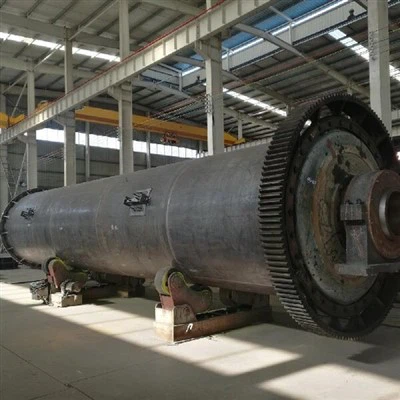
When it comes to the operation of ball mills, the choice of materials plays a crucial role not only in the efficiency of the grinding process but also in ensuring the safety of the entire operation. As a ball mill material supplier, I have witnessed firsthand the diverse requirements and challenges associated with different ball mill materials. In this blog, I will delve into the safety considerations when using various ball mill materials.
1. Safety Considerations for Metal - Based Ball Mill Materials
Aluminum Ash Ball Mill
Aluminum ash is a common by - product in the aluminum smelting industry, and the Aluminum Ash Ball Mill is designed to process it further. One of the primary safety concerns is the reactivity of aluminum. Aluminum ash may contain unreacted aluminum particles, which can react violently with water or moisture, releasing hydrogen gas. Hydrogen is highly flammable and can form explosive mixtures with air.
To mitigate this risk, it is essential to keep the ball mill and the storage area of aluminum ash dry. Regular inspections should be carried out to check for any signs of water ingress in the mill or the surrounding environment. Additionally, proper ventilation systems should be installed to remove any hydrogen gas that may be generated during the grinding process.
Another safety aspect is the dust generated during the grinding of aluminum ash. Aluminum dust is a potential health hazard as it can cause respiratory problems if inhaled. Workers should be provided with appropriate personal protective equipment (PPE), such as dust masks and goggles. The ball mill should also be equipped with dust collection systems to minimize the release of aluminum dust into the air.
Steel - Based Ball Mill Materials
Steel balls are widely used in ball mills for grinding various materials. However, there are safety considerations related to the use of steel in ball mills. Firstly, steel is prone to corrosion, especially in humid environments. Corroded steel balls can reduce the efficiency of the grinding process and may also pose a risk of falling apart during operation, which can damage the mill and cause injury to workers.
To prevent corrosion, the steel balls should be stored in a dry place, and anti - corrosion coatings can be applied if necessary. Regular maintenance of the ball mill, including checking the condition of the steel balls, is crucial. If any corroded or damaged steel balls are found, they should be replaced immediately.
In addition, the high - speed rotation of steel balls in the ball mill can generate a significant amount of heat. Overheating can lead to mechanical failures and even fires. Temperature sensors should be installed in the ball mill to monitor the temperature during operation. If the temperature exceeds the safe limit, the mill should be shut down immediately to prevent any potential hazards.
2. Safety Considerations for Non - Metal - Based Ball Mill Materials
Sand Ball Mill
The Sand Ball Mill is used to grind sand for various applications, such as in the construction industry. One of the main safety concerns is the silica content in sand. Silica dust is a well - known health hazard that can cause silicosis, a serious and irreversible lung disease, if inhaled over a long period.
To protect workers from silica dust exposure, proper dust control measures should be implemented. This includes installing dust collection systems at the inlet and outlet of the ball mill, as well as using wet grinding methods to suppress dust generation. Workers should also wear appropriate PPE, such as respirators, to reduce their inhalation of silica dust.
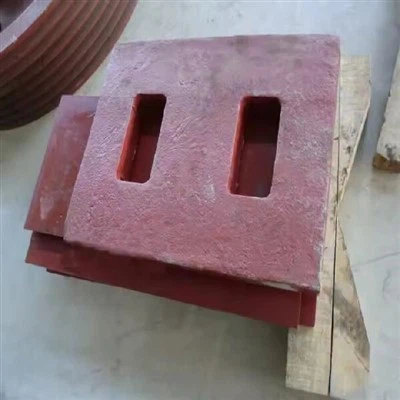
Another safety issue is the abrasiveness of sand. The continuous grinding of sand can cause wear and tear on the internal components of the ball mill, such as the liners and the grinding media. Regular inspections should be carried out to check the condition of these components. If the liners are worn out, they should be replaced promptly to prevent any leakage of sand and to ensure the proper functioning of the ball mill.
Cement Raw Mill
In a Cement Raw Mill, the raw materials for cement production, such as limestone, clay, and iron ore, are ground. One of the safety concerns is the handling of these raw materials. Some of these materials, such as limestone, can be heavy and difficult to move. Workers should be trained on proper lifting and handling techniques to avoid back injuries and other musculoskeletal disorders.
The grinding process in a cement raw mill generates a large amount of heat and dust. The heat can cause the mill to overheat, and the dust can be a health hazard. Similar to other ball mills, temperature sensors and dust collection systems should be installed. In addition, the cement raw materials may contain some chemicals that can be harmful if they come into contact with the skin or eyes. Workers should wear appropriate PPE, including gloves and safety glasses, to protect themselves from these chemicals.
3. General Safety Considerations for All Ball Mill Materials
Machine Operation and Maintenance
Regardless of the type of ball mill material, proper machine operation and maintenance are essential for safety. Operators should be well - trained on how to operate the ball mill correctly. This includes starting and stopping the mill, adjusting the grinding parameters, and monitoring the operation. Any deviation from the normal operating procedures can increase the risk of accidents.
Regular maintenance of the ball mill is also crucial. This includes lubricating the moving parts, checking the tightness of bolts and nuts, and inspecting the electrical systems. A well - maintained ball mill is less likely to malfunction and cause safety hazards.
Emergency Preparedness
In any industrial setting, emergency preparedness is vital. An emergency plan should be in place for the ball mill operation. This plan should include procedures for dealing with fires, explosions, and other emergencies. Workers should be trained on how to respond to these emergencies, including how to use fire extinguishers and evacuation routes.
4. Conclusion and Call to Action
In conclusion, the safety considerations when using different ball mill materials are diverse and complex. From the reactivity of metal - based materials to the health hazards of dust generated by non - metal materials, every aspect needs to be carefully addressed to ensure the safety of workers and the smooth operation of the ball mill.
As a ball mill material supplier, I understand the importance of providing high - quality materials that meet safety standards. We are committed to working with our customers to ensure that they have the right ball mill materials for their specific applications and that all safety considerations are taken into account.
If you are in the market for ball mill materials and want to discuss your requirements or have any safety - related questions, please feel free to contact us. We are here to provide you with professional advice and high - quality products to meet your needs.


References
- "Handbook of Industrial Dust Control" by Robert C. Brown
- "Safety in the Cement Industry" by the World Cement Association
- "Corrosion Prevention and Control in Industrial Equipment" by various authors