


Ball mills are essential equipment in various industries, including mining, cement production, and chemical processing. The bearings in a ball mill play a crucial role in ensuring smooth and efficient operation. However, electrical currents can cause significant damage to these bearings, leading to premature failure and costly downtime. As a leading Ball Mill Bearing supplier, I have extensive experience in dealing with the issues related to bearing damage caused by electrical currents. In this blog, I will discuss the signs of such damage and provide insights into how to address them.
Understanding Electrical Currents in Ball Mills
Before delving into the signs of bearing damage, it is important to understand how electrical currents can occur in ball mills. There are several potential sources of electrical currents in these machines. One common cause is the electromagnetic induction generated by the motor. When the motor operates, it creates a magnetic field that can induce electrical currents in the nearby components, including the bearings. Another source is static electricity, which can build up on the rotating parts of the ball mill due to friction. Additionally, electrical grounding issues or improper wiring can also lead to the flow of electrical currents through the bearings.
Signs of Bearing Damage Caused by Electrical Currents
1. Pitting and Fluting
One of the most obvious signs of bearing damage caused by electrical currents is pitting and fluting on the bearing surfaces. Pitting refers to small, discrete craters that form on the raceways or rolling elements of the bearing. Fluting, on the other hand, is a series of parallel grooves that run along the bearing surface. These damages are caused by the discharge of electrical currents through the bearing, which creates high-energy arcs. The arcs melt and vaporize the metal, leaving behind pits and grooves. Over time, pitting and fluting can cause increased friction, vibration, and noise, and ultimately lead to bearing failure.
2. Discoloration
Electrical currents can also cause discoloration of the bearing surfaces. The heat generated by the electrical arcs can cause the metal to oxidize, resulting in a change in color. The discoloration may appear as a darkening or a rainbow-like pattern on the bearing. This is a clear indication that the bearing has been exposed to electrical currents and is likely to be damaged. Discoloration can also affect the hardness and wear resistance of the metal, further accelerating the deterioration of the bearing.

3. Lubricant Degradation
The presence of electrical currents can have a detrimental effect on the lubricant in the bearing. The electrical arcs can break down the lubricant molecules, reducing its viscosity and lubricating properties. This can lead to increased friction and wear between the bearing components. Additionally, the heat generated by the electrical currents can cause the lubricant to oxidize and form sludge, which can clog the bearing and prevent proper lubrication. Signs of lubricant degradation include a change in color, odor, and consistency of the lubricant.
4. Vibration and Noise
As the bearing damage progresses, it will inevitably lead to increased vibration and noise in the ball mill. The pitting, fluting, and other damages on the bearing surfaces cause irregular contact between the rolling elements and the raceways, resulting in uneven forces and vibrations. These vibrations can be transmitted throughout the machine, causing additional stress on other components. The noise generated by the damaged bearing is often a high-pitched screeching or grinding sound, which is a clear indication that there is a problem with the bearing.
5. Premature Wear
Electrical currents can significantly accelerate the wear of the bearing components. The pitting, fluting, and discoloration mentioned above all contribute to increased friction and wear. The damaged bearing surfaces are more prone to abrasion and fatigue, which can cause the rolling elements and raceways to wear out much faster than normal. Premature wear can lead to a loss of bearing clearance, increased temperature, and ultimately, bearing failure.
How to Address Bearing Damage Caused by Electrical Currents
1. Electrical Isolation
One of the most effective ways to prevent bearing damage caused by electrical currents is to isolate the bearings electrically. This can be achieved by using insulating materials such as ceramic sleeves or coatings on the bearing surfaces. These insulating materials prevent the flow of electrical currents through the bearing, reducing the risk of damage. Additionally, proper grounding of the ball mill can help to divert the electrical currents away from the bearings.
2. Regular Inspection and Maintenance
Regular inspection and maintenance are essential for detecting and addressing bearing damage early. Visual inspection can reveal signs of pitting, fluting, discoloration, and lubricant degradation. Vibration analysis and temperature monitoring can also provide valuable information about the condition of the bearings. By detecting the signs of damage early, appropriate measures can be taken to prevent further deterioration and avoid costly downtime.
3. Use of High-Quality Bearings and Lubricants
Using high-quality bearings and lubricants is crucial for ensuring the reliability and longevity of the ball mill. High-quality bearings are designed to withstand the harsh operating conditions in ball mills, including the effects of electrical currents. Similarly, high-quality lubricants have better resistance to oxidation and breakdown, providing better protection for the bearings. As a Ball Mill Bearing supplier, I offer a wide range of high-quality bearings and lubricants that are specifically designed for ball mill applications.
4. Consultation with Experts
If you suspect that your ball mill bearings are damaged by electrical currents, it is advisable to consult with experts. As a professional Ball Mill Bearing supplier, I have a team of experienced engineers who can provide technical support and guidance. We can help you diagnose the problem, recommend the appropriate solutions, and provide replacement bearings if necessary.
Related Ball Mill Parts
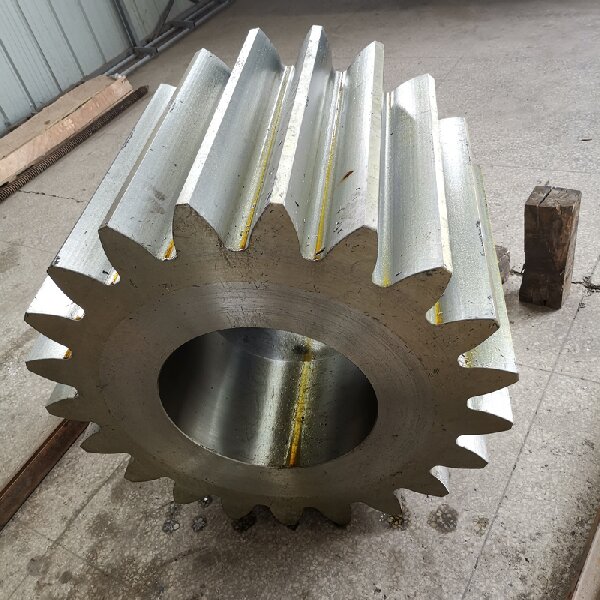
In addition to bearings, other parts of the ball mill also play important roles in its operation. Some of the related parts include the Ball Mill Diaphragm, High-quality Ball Mill Trunnion, and Ball Mill Pinion. These parts need to be in good condition to ensure the smooth and efficient operation of the ball mill.
Conclusion
Bearing damage caused by electrical currents is a serious issue that can have a significant impact on the performance and reliability of ball mills. By being aware of the signs of such damage, taking appropriate preventive measures, and using high-quality bearings and lubricants, you can minimize the risk of bearing failure and ensure the long-term operation of your ball mill. As a Ball Mill Bearing supplier, I am committed to providing high-quality products and excellent service to meet your needs. If you have any questions or concerns about ball mill bearings or other related parts, please feel free to contact me for more information and to discuss your procurement requirements.
References
- Harris, T. A., & Kotzalas, M. N. (2007). Rolling Bearing Analysis. Wiley-Interscience.
- Zaretsky, E. V. (2010). Ball and Roller Bearing Engineering. CRC Press.
- ANSI/ABMA Standards for Rolling Bearings. American Bearing Manufacturers Association.




