In the realm of industrial crushing, jaw crushers stand as stalwarts, breaking down large rocks and ores into smaller, more manageable pieces. At the heart of these powerful machines are the jaw crusher plates, which endure immense pressure and wear during the crushing process. Recognizing the signs that a jaw crusher plate needs replacement is crucial for maintaining the efficiency and productivity of your crushing operations. As a trusted Jaw Crusher Plate supplier, I'm here to share insights on these tell - tale signs.
1. Decreased Crushing Efficiency
One of the most noticeable signs that a jaw crusher plate may need replacement is a decline in crushing efficiency. When the plates are in good condition, they can effectively grip and break down the incoming material. However, as the plates wear, their ability to create a proper crushing force diminishes. You may observe that the crusher is taking longer to process the same amount of material, or that the output size is not as consistent as it used to be.
For instance, if you're used to getting a specific size of crushed product and suddenly notice that there are more oversized particles in the output, it could be a sign that the jaw crusher plates are no longer providing the necessary pressure to break the material into the desired size. This decrease in efficiency can lead to increased energy consumption as the crusher has to work harder to achieve the same results.
2. Unusual Noise and Vibration
Another red flag for potential jaw crusher plate replacement is the presence of unusual noise and vibration during operation. When the plates are worn unevenly or have significant damage, they can cause the crusher to operate in an unbalanced manner. This imbalance leads to increased vibration, which can be felt throughout the machine and even the surrounding area.
The abnormal noise can range from a rattling sound to a more severe grinding or clanging noise. These noises are often an indication that the plates are not properly aligned or that there is excessive movement between the movable and fixed plates. If left unaddressed, this excessive vibration and noise can not only damage the jaw crusher plates further but also cause wear and tear on other components such as the Crusher Bearing.
3. Visible Wear and Tear
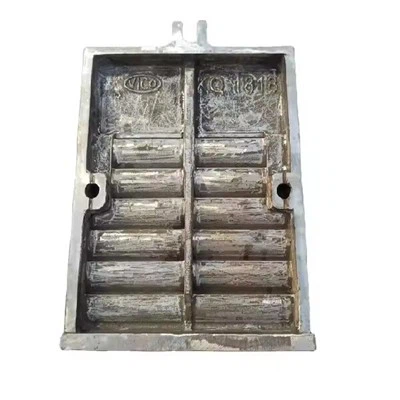
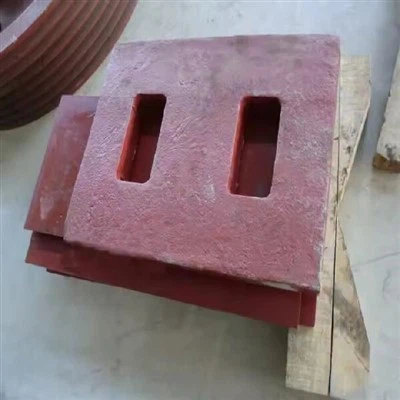
A straightforward way to determine if a jaw crusher plate needs replacement is by visually inspecting it for signs of wear. Over time, the constant abrasion from the crushed material will cause the surface of the plates to wear down. Look for grooves, pits, or uneven surfaces on the plates.


In some cases, you may even notice cracks or chips on the plates. These visible damages can significantly affect the performance of the crusher and increase the risk of plate failure. If the wear is concentrated in certain areas, it could be a sign of improper feeding or a problem with the crusher's alignment. Regular visual inspections can help you catch these issues early and prevent more serious problems from occurring.
4. Increased Maintenance Requirements
As the jaw crusher plates wear, you may find that the crusher requires more frequent maintenance. This could include tightening bolts more often, adjusting the gap between the plates, or replacing other related components. For example, if the plates are worn and not providing the proper crushing force, the Jaw Crusher Toggle Plate may be subjected to additional stress, leading to more frequent replacements.
Increased maintenance not only takes up more time and resources but also indicates that the jaw crusher plates are approaching the end of their useful life. By replacing the plates in a timely manner, you can reduce the overall maintenance requirements and keep your crusher running smoothly.
5. Higher Production Costs
When the jaw crusher plates are worn and not functioning optimally, it can lead to higher production costs. As mentioned earlier, decreased crushing efficiency means that the crusher consumes more energy to produce the same amount of output. Additionally, the increased maintenance requirements and potential damage to other components can result in higher repair and replacement costs.
Moreover, if the quality of the crushed product is affected, it may lead to additional processing steps or even rejection of the product, further increasing costs. By replacing the jaw crusher plates when necessary, you can avoid these unnecessary expenses and ensure that your production process remains cost - effective.
6. Excessive Material Build - up
Worn jaw crusher plates can also cause excessive material build - up in the crusher. When the plates are not able to break the material effectively, some of the material may get stuck between the plates or in other parts of the crusher. This build - up can lead to blockages, which can stop the crusher from operating properly.
Material build - up can also cause corrosion and damage to the internal components of the crusher over time. If you notice that there is more material build - up than usual, it could be a sign that the jaw crusher plates need to be replaced.
The Importance of Timely Replacement
Timely replacement of jaw crusher plates is essential for several reasons. Firstly, it ensures the safety of the operators. Worn or damaged plates can pose a risk of sudden failure, which could lead to flying debris and potential injury. Secondly, it maintains the efficiency and productivity of your crushing operations. By replacing the plates at the right time, you can avoid costly downtime and keep your production levels high.
As a Jaw Crusher Plate supplier, I understand the importance of providing high - quality products. Our jaw crusher plates are made from durable materials that can withstand the harsh conditions of the crushing process. We also offer a range of options to suit different types of crushers and applications.
If you're experiencing any of the signs mentioned above, it's time to consider replacing your jaw crusher plates. Don't let worn - out plates affect the performance of your crusher and your bottom line. Contact us today to discuss your requirements and find the perfect jaw crusher plates for your needs. We are committed to providing you with the best solutions and ensuring that your crushing operations run smoothly.
Conclusion
Recognizing the signs that a jaw crusher plate needs replacement is crucial for the efficient and cost - effective operation of your crushing equipment. From decreased crushing efficiency and unusual noise to visible wear and tear, these signs can help you identify when it's time to replace the plates. As a reliable Jaw Crusher Plate supplier, we are here to assist you in finding the right replacement parts and ensuring that your crusher continues to perform at its best. If you have any questions or need further information, feel free to reach out to us for a consultation.
References
- Smith, J. (2018). Industrial Crushing Equipment: Maintenance and Optimization. Publisher X.
- Johnson, A. (2020). The Impact of Wear on Crusher Components. Journal of Mining and Crushing Technology, 15(2), 45 - 52.
- Brown, C. (2019). Cost - Effective Strategies for Crusher Plate Replacement. Industrial Engineering Review, 22(3), 78 - 85.