Hey there! As a supplier of rotary kiln furnaces, I often get asked about the startup procedures for these amazing pieces of equipment. So, I thought I'd put together a blog post to walk you through the process step by step.
Pre - startup Checks
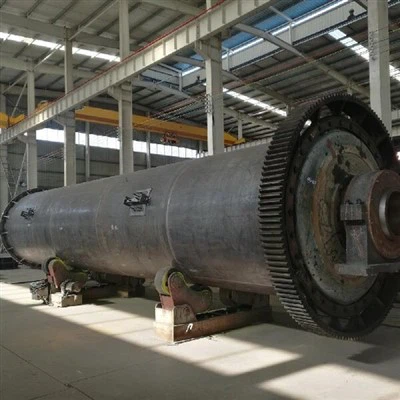
Before you even think about firing up the rotary kiln furnace, there are a bunch of pre - startup checks you need to do. First off, you gotta inspect the mechanical components. Check the kiln shell for any signs of cracks or damage. The shell is like the backbone of the kiln, and any issues here can lead to major problems down the line. Make sure the tires and rollers are in good condition. These are the parts that support the kiln and allow it to rotate smoothly. Look for any wear and tear, and check the alignment. Misaligned tires and rollers can cause uneven stress on the kiln, which can damage it over time.
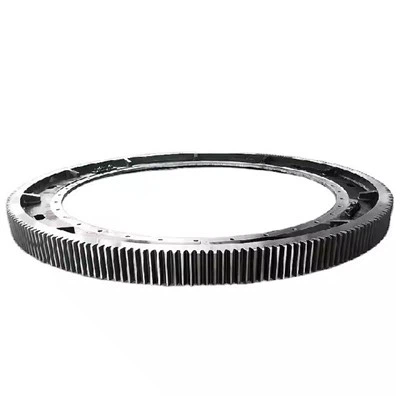
Next, take a look at the drive system. This includes the motor, gearbox, and couplings. Check for loose bolts, proper lubrication, and any unusual noises. A well - maintained drive system is crucial for the efficient operation of the kiln. You don't want the kiln to stop mid - operation because of a problem with the drive.
The refractory lining is another important area to inspect. The refractory protects the kiln shell from the high temperatures inside. Look for any signs of erosion, spalling, or damage. If the refractory is in bad shape, it can lead to heat loss and even damage to the kiln shell. You might need to repair or replace the refractory if necessary.
Don't forget about the fuel system. Whether you're using coal, gas, or oil, make sure the fuel supply is secure and the pipes are free of leaks. Check the burners to ensure they are clean and functioning properly. A faulty burner can lead to inefficient combustion, which means wasted fuel and lower productivity.
Pre - heating the Kiln
Once you've completed all the pre - startup checks and everything looks good, it's time to start pre - heating the kiln. Pre - heating is a crucial step because it helps to gradually raise the temperature of the kiln and its components. This reduces thermal stress and prevents damage to the refractory and other parts of the kiln.
Start by introducing a small amount of fuel into the burners. The initial heat input should be low to avoid thermal shock. You want to start slow and steady. Monitor the temperature inside the kiln closely using thermocouples or other temperature sensors. As the temperature rises, gradually increase the fuel input.
It's important to follow a specific pre - heating curve. This curve shows the recommended temperature increase over time. Different types of kilns and materials have different pre - heating curves, so make sure you know the right one for your kiln. If you heat the kiln too quickly, you can cause the refractory to crack or spall. If you heat it too slowly, it can take forever to get the kiln up to operating temperature, which is a waste of time and energy.
During the pre - heating process, keep an eye on the kiln's rotation. Make sure it's rotating smoothly and at the right speed. You might need to adjust the speed based on the temperature and the pre - heating progress.
Loading the Kiln
Once the kiln has reached the appropriate pre - heating temperature, it's time to start loading the material. The type of material you're loading will depend on what the kiln is being used for. It could be cement raw materials, minerals, or other substances.
Use a proper feeding system to load the material into the kiln. Make sure the feeding rate is consistent and controlled. Overloading the kiln can cause problems with combustion and product quality. You want to ensure that the material is evenly distributed inside the kiln.
As the material is being loaded, continue to monitor the temperature and the kiln's rotation. The temperature should remain stable, and the kiln should continue to rotate smoothly. If you notice any changes in temperature or rotation, you might need to adjust the feeding rate or the fuel input.
Firing up the Kiln
After the material is loaded, it's time to really fire up the kiln. Increase the fuel input gradually to reach the desired operating temperature. The operating temperature will depend on the type of material you're processing. For example, cement kilns typically operate at very high temperatures, around 1400 - 1500 degrees Celsius.
Monitor the combustion process closely. You want to ensure that the fuel is burning efficiently and that there is enough oxygen for complete combustion. Check the flame shape and color. A good flame should be stable, well - defined, and the right color. If the flame is too short or too long, or if it's the wrong color, it could indicate a problem with the combustion.
During the firing process, keep an eye on the product quality. Take samples at regular intervals and test them for the desired properties. You might need to adjust the fuel input, feeding rate, or other operating parameters to achieve the best product quality.
Continuous Monitoring and Adjustment
Once the kiln is up and running, the work doesn't stop there. You need to continuously monitor the kiln's operation. Keep an eye on the temperature, pressure, rotation speed, and product quality. Use sensors and control systems to gather data and make adjustments as needed.
For example, if the temperature inside the kiln starts to drop, you might need to increase the fuel input. If the product quality starts to decline, you might need to adjust the feeding rate or the combustion conditions.
Regularly check the equipment for any signs of wear or damage. Replace parts as needed to prevent breakdowns. A little bit of maintenance can go a long way in ensuring the long - term operation of the kiln.


Types of Rotary Kiln Furnaces
There are different types of rotary kiln furnaces, each with its own characteristics and applications. For an energy - efficient option, you might consider the Energy Saving Rotary Kiln. This type of kiln is designed to reduce energy consumption while maintaining high productivity.
The Industrial Continuous Kiln is great for continuous production. It allows for a steady flow of materials through the kiln, which is ideal for large - scale industrial operations.
If you're in the cement industry, the Precalciner Kiln is a popular choice. It uses a precalciner to pre - heat and partially calcine the raw materials before they enter the kiln, which improves efficiency and reduces fuel consumption.
Conclusion
Starting up a rotary kiln furnace is a complex process that requires careful planning and attention to detail. By following the proper startup procedures, you can ensure the efficient and safe operation of the kiln. If you're in the market for a rotary kiln furnace, we're here to help. Whether you need an energy - saving kiln, an industrial continuous kiln, or a precalciner kiln, we have the expertise and the products to meet your needs.
If you're interested in learning more about our rotary kiln furnaces or have questions about the startup procedures, feel free to reach out to us. We'd be happy to have a chat and discuss how we can help you with your kiln requirements. Let's work together to get your operations up and running smoothly.
References
- Kiln Operations Handbook, Various Industry Publications
- Technical Manuals from Rotary Kiln Manufacturers