Hey there! I'm in the business of supplying rotary kiln furnaces, and I've seen firsthand how crucial it is to understand the different types of drive systems used in these bad boys. So, let's dive right in and explore what makes each drive system unique.
Gear Drive System
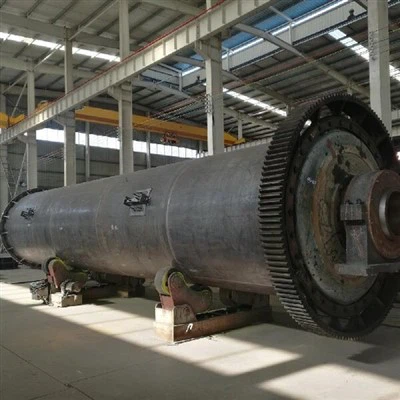
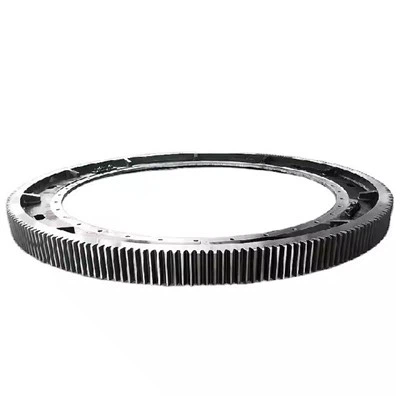
The gear drive system is one of the most common types you'll find in rotary kiln furnaces. It's like the workhorse of the drive systems, reliable and tried-and-true. In a gear drive system, a large gear is attached to the kiln shell, and a smaller pinion gear meshes with it. The pinion gear is connected to a motor, which provides the power to rotate the kiln.
One of the big advantages of a gear drive system is its high torque capacity. This means it can handle heavy loads and start the kiln smoothly, even when it's filled with material. It also offers precise speed control, which is important for maintaining the right conditions inside the kiln.
However, gear drive systems do have some drawbacks. They require regular maintenance, including lubrication and gear inspection, to prevent wear and tear. And because they have a lot of moving parts, they can be noisy. But overall, if you need a reliable drive system for your rotary kiln furnace, the gear drive system is a solid choice.
Tire and Roller Drive System
Next up is the tire and roller drive system. This system uses large tires, or rings, that are mounted on the kiln shell. These tires rest on a series of rollers, which are driven by a motor. As the rollers turn, they cause the kiln to rotate.
The tire and roller drive system is known for its simplicity and low maintenance requirements. There are fewer moving parts compared to a gear drive system, which means less chance of something going wrong. It also provides a smooth and stable rotation, which is great for reducing stress on the kiln shell.
One of the challenges with a tire and roller drive system is that it can be more difficult to control the speed compared to a gear drive system. And because the tires and rollers are in constant contact, they can wear out over time. But with proper maintenance, this system can provide years of reliable service.
Direct Drive System
The direct drive system is a relatively new technology in the world of rotary kiln furnaces. In a direct drive system, the motor is directly connected to the kiln shell, eliminating the need for gears or tires and rollers. This makes the system more compact and efficient.
One of the biggest advantages of a direct drive system is its high efficiency. Because there are no intermediate components, there is less energy loss, which can result in significant cost savings over time. It also offers excellent speed control and can be easily integrated with automation systems.
However, direct drive systems can be more expensive to install compared to other types of drive systems. And because they rely on advanced technology, they may require specialized maintenance and repair. But if you're looking for a cutting-edge solution that offers high performance and energy efficiency, the direct drive system is worth considering.
Hybrid Drive System
Finally, we have the hybrid drive system. As the name suggests, this system combines the features of two or more drive systems to take advantage of their strengths. For example, a hybrid drive system might use a gear drive system for starting and stopping the kiln, and a direct drive system for normal operation.
The hybrid drive system offers the best of both worlds. It can provide the high torque and precise speed control of a gear drive system, along with the efficiency and compactness of a direct drive system. It also allows for greater flexibility in terms of system design and operation.
However, hybrid drive systems can be more complex and expensive to install and maintain compared to other types of drive systems. But for applications where performance and efficiency are critical, the hybrid drive system can be a great option.
Choosing the Right Drive System
So, how do you choose the right drive system for your rotary kiln furnace? Well, it depends on a few factors, including the size and capacity of the kiln, the type of material being processed, and your budget.
If you have a large kiln that needs to handle heavy loads, a gear drive system or a tire and roller drive system might be the best choice. If you're looking for a more efficient and compact solution, a direct drive system or a hybrid drive system could be a better fit.


It's also important to consider the maintenance requirements and operating costs of each drive system. A system that requires less maintenance and has lower energy consumption can save you money in the long run.
As a rotary kiln furnace supplier, I've helped many customers choose the right drive system for their needs. If you're in the market for a new rotary kiln furnace or need to upgrade your existing drive system, I'd be happy to help. Just reach out to me, and we can discuss your options and find the best solution for you.
Explore Our Rotary Kiln Furnaces
If you're interested in learning more about our rotary kiln furnaces, check out our Tilting Rotary Furnace, Clinker Kiln, and 0.5mm Tolerance Cement Rotary Kiln. These are just a few of the high-quality products we offer.
Whether you're in the cement, mining, or chemical industry, we have a rotary kiln furnace that can meet your needs. So, don't hesitate to contact me if you have any questions or if you're ready to start a purchase negotiation. I'm here to help you get the best rotary kiln furnace for your business.
References
- Smith, J. (2020). Rotary Kiln Technology: Principles and Applications. Publisher Name.
- Johnson, A. (2019). Drive Systems for Industrial Furnaces. Journal of Industrial Furnace Engineering, 25(3), 123-135.