As a seasoned supplier of Kiln Thrust Rollers, I've witnessed firsthand the critical role these components play in the smooth operation of rotary kilns. One of the most common issues that kiln operators encounter is abnormal noise in the thrust rollers. This blog post aims to delve into the various causes of this problem, offering insights and solutions based on my years of experience in the industry.
1. Mechanical Wear and Tear
One of the primary causes of abnormal noise in kiln thrust rollers is mechanical wear and tear. Over time, the constant friction between the roller and the kiln shell can lead to the degradation of the roller surface. This wear can manifest in the form of pitting, scoring, or uneven surfaces. As the roller rotates, these irregularities cause vibrations, which in turn produce noise.
The quality of the materials used in the thrust rollers also plays a significant role. Inferior materials may not withstand the high temperatures and heavy loads typically encountered in kiln operations. This can accelerate the wear process, leading to premature failure and abnormal noise. For instance, if the roller is made of a low - grade steel, it may be more prone to corrosion and abrasion, which can cause the surface to deteriorate rapidly.
To mitigate this issue, regular inspection and maintenance are crucial. Operators should monitor the condition of the thrust rollers closely and replace them when signs of excessive wear are detected. Additionally, using high - quality materials can significantly extend the lifespan of the rollers and reduce the likelihood of abnormal noise.
2. Misalignment
Misalignment is another common culprit behind abnormal noise in kiln thrust rollers. There are two main types of misalignment: axial and radial. Axial misalignment occurs when the thrust roller is not parallel to the kiln axis. This can cause uneven loading on the roller, leading to excessive wear on one side and abnormal noise. Radial misalignment, on the other hand, happens when the roller is not centered correctly with respect to the kiln shell. This can result in a binding effect, causing the roller to vibrate and produce noise.
Misalignment can be caused by several factors, including improper installation, foundation settlement, or thermal expansion. During installation, if the rollers are not positioned accurately, it can lead to immediate misalignment issues. Foundation settlement can occur over time due to the weight of the kiln and the surrounding equipment, causing the kiln to shift and the rollers to become misaligned. Thermal expansion can also cause problems, especially in high - temperature kiln environments. As the kiln heats up, different parts of the structure may expand at different rates, leading to misalignment.
To address misalignment, precise installation procedures should be followed. Operators should use alignment tools and techniques to ensure that the thrust rollers are correctly positioned. Regular checks for misalignment should also be carried out, and any deviations should be corrected promptly. In some cases, shimming or realigning the rollers may be necessary to restore proper alignment.
3. Lubrication Issues
Proper lubrication is essential for the smooth operation of kiln thrust rollers. Insufficient lubrication can cause increased friction between the roller and the kiln shell, leading to abnormal noise. When there is not enough lubricant, the metal - to - metal contact generates heat, which can further damage the roller surface and cause wear.
On the other hand, over - lubrication can also be a problem. Excessive lubricant can attract dirt and debris, which can form abrasive particles that cause wear on the roller. Additionally, over - lubrication can lead to the formation of oil leaks, which can create a safety hazard and cause environmental problems.
The type of lubricant used is also important. Different kiln applications may require different types of lubricants, depending on factors such as temperature, load, and speed. Using the wrong lubricant can result in poor lubrication performance and abnormal noise.
To ensure proper lubrication, operators should follow the manufacturer's recommendations regarding the type and quantity of lubricant to use. Regular lubrication checks should be carried out, and the lubricant should be replenished as needed. Additionally, the lubrication system should be kept clean to prevent the entry of contaminants.
4. Bearing Problems
The bearings in kiln thrust rollers are critical components that can cause abnormal noise if they malfunction. There are several types of bearing problems that can occur, including bearing fatigue, contamination, and overheating.
Bearing fatigue is a common issue that occurs over time due to the repeated loading and unloading of the bearings. As the bearings rotate, the rolling elements and raceways experience stress, which can lead to the formation of cracks and spalling. This can cause the bearings to become noisy and eventually fail.
Contamination of the bearings can also cause problems. Dust, dirt, and other foreign particles can enter the bearing housing, causing abrasion and wear on the rolling elements and raceways. This can lead to increased friction and abnormal noise.
Overheating is another serious problem that can damage the bearings. High temperatures can cause the lubricant to break down, reducing its effectiveness and increasing the risk of bearing failure. Overheating can be caused by factors such as excessive load, insufficient lubrication, or poor ventilation.
To prevent bearing problems, regular inspection and maintenance of the bearings are necessary. Operators should check the bearings for signs of wear, contamination, and overheating. If any issues are detected, the bearings should be replaced promptly. Additionally, proper ventilation and cooling systems should be in place to prevent overheating.
5. External Factors
There are also external factors that can contribute to abnormal noise in kiln thrust rollers. For example, the presence of loose parts or debris in the kiln area can cause the rollers to vibrate and produce noise. Loose bolts, nuts, or other components can come into contact with the rollers, causing interference and abnormal noise.
Environmental factors such as humidity and temperature fluctuations can also affect the performance of the thrust rollers. High humidity can cause corrosion on the roller surface, while extreme temperature changes can lead to thermal stress and potential damage to the rollers.
To address these external factors, operators should keep the kiln area clean and free of loose parts. Regular inspections should be carried out to ensure that all components are securely fastened. Additionally, appropriate environmental controls should be in place to minimize the impact of humidity and temperature fluctuations.
Conclusion
Abnormal noise in kiln thrust rollers can be caused by a variety of factors, including mechanical wear and tear, misalignment, lubrication issues, bearing problems, and external factors. As a Kiln Thrust Roller supplier, I understand the importance of addressing these issues promptly to ensure the smooth and efficient operation of rotary kilns.

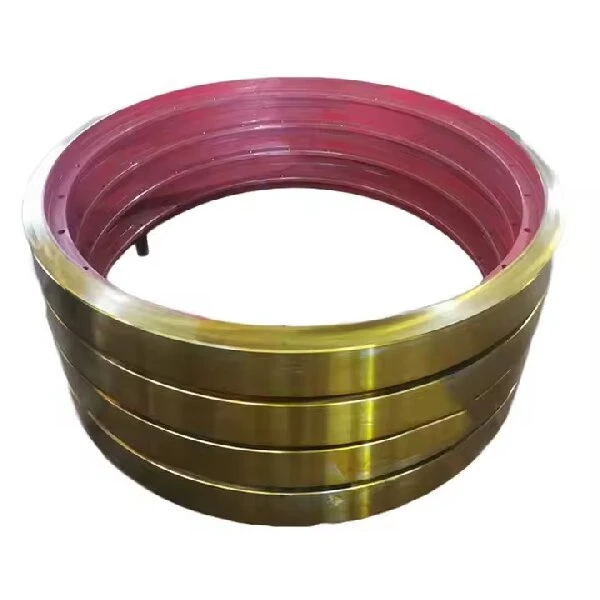
By implementing regular inspection and maintenance procedures, using high - quality materials, and following proper installation and lubrication guidelines, operators can significantly reduce the likelihood of abnormal noise in their kiln thrust rollers.
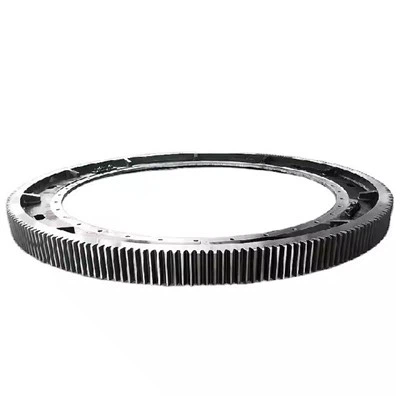
If you are experiencing problems with abnormal noise in your kiln thrust rollers or are looking for high - quality replacement parts, we are here to help. Our company offers a wide range of Kiln Thrust Rollers, as well as related products such as Kiln Girth Gear, Support Roller for Rotary Kiln, and Rotary Kiln Tyre. Contact us today to discuss your requirements and let us assist you in finding the best solutions for your kiln operation.
References
- "Rotary Kiln Handbook" - A comprehensive guide on rotary kiln design, operation, and maintenance.
- Industry technical papers on kiln components and their performance.
- Manufacturer's manuals for kiln thrust rollers and related equipment.