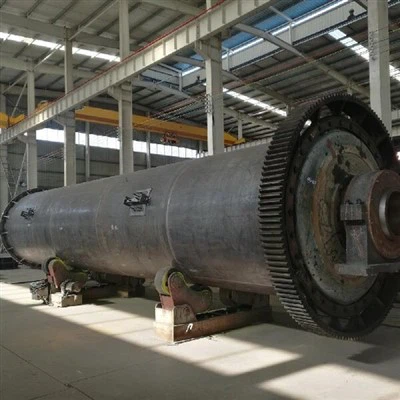
When it comes to ball mills, the choice of materials is crucial, especially in terms of corrosion resistance. As a ball mill material supplier, I've witnessed firsthand how different materials perform under various corrosive conditions. In this blog, I'll delve into the corrosion resistance of different ball mill materials, providing insights that can help you make an informed decision for your specific needs.
Understanding Corrosion in Ball Mills
Corrosion in ball mills can occur due to several factors. Chemical reactions between the mill material and the substances being processed, exposure to moisture, and the presence of aggressive chemicals in the environment are common causes. Corrosion not only reduces the lifespan of the ball mill but can also contaminate the processed materials, leading to quality issues. Therefore, selecting a material with appropriate corrosion resistance is essential.
Common Ball Mill Materials and Their Corrosion Resistance
Steel
Steel is one of the most widely used materials in ball mills. It offers high strength and durability, making it suitable for heavy - duty applications. However, its corrosion resistance varies depending on the type of steel.
- Carbon Steel: Carbon steel is relatively inexpensive and has good mechanical properties. But it is highly susceptible to corrosion, especially in the presence of moisture and oxygen. Rusting can occur quickly, which may lead to pitting and structural damage over time. In environments where the processed materials are dry and non - corrosive, carbon steel can be a cost - effective option. However, for applications involving wet grinding or exposure to corrosive chemicals, additional protective measures such as painting or galvanizing are required.
- Stainless Steel: Stainless steel contains chromium, which forms a passive oxide layer on the surface. This layer provides excellent corrosion resistance, making stainless steel suitable for a wide range of corrosive environments. Austenitic stainless steels, such as 304 and 316, are commonly used in ball mills. Grade 316, in particular, has enhanced resistance to chloride - induced corrosion, making it ideal for applications where the processed materials contain salts or are in contact with seawater. Stainless steel ball mills are often used in the food, pharmaceutical, and chemical industries, where product purity and corrosion resistance are of utmost importance.
Cast Iron
Cast iron is another traditional material used in ball mills. It has good castability and damping properties, which can reduce noise and vibration during operation.


- Gray Cast Iron: Gray cast iron is relatively brittle and has limited corrosion resistance. It is prone to corrosion in moist environments, and the graphite flakes in its microstructure can act as sites for corrosion initiation. However, it can be used in some applications where the corrosion rate is relatively low and the mechanical strength requirements are not extremely high.
- Ductile Cast Iron: Ductile cast iron has better mechanical properties and some improved corrosion resistance compared to gray cast iron. The addition of magnesium during the casting process changes the graphite morphology from flakes to nodules, which enhances the material's toughness and ductility. Ductile cast iron can be used in ball mills where a combination of moderate corrosion resistance and good mechanical performance is required.
Ceramics
Ceramics are increasingly being used in ball mills due to their excellent corrosion resistance and wear resistance.
- Alumina Ceramics: Alumina ceramics have high hardness and chemical stability. They are resistant to most acids, alkalis, and organic solvents, making them suitable for grinding highly corrosive materials. Alumina ball mills are commonly used in the chemical, electronic, and ceramic industries. The high purity of alumina ceramics also ensures that there is no contamination of the processed materials.
- Zirconia Ceramics: Zirconia ceramics have even better mechanical properties and corrosion resistance compared to alumina ceramics. They are highly resistant to abrasion and can withstand high - temperature and high - pressure environments. Zirconia ball mills are often used in the production of high - performance materials, such as advanced ceramics, electronic components, and fine chemicals. You can learn more about Ceramic Ball Mill Machine on our website.
Factors Affecting Corrosion Resistance
- Environmental Conditions: The temperature, humidity, and the presence of corrosive gases or liquids in the environment play a significant role in determining the corrosion rate. For example, high - temperature and high - humidity environments can accelerate the corrosion process, especially for metals.
- Chemical Composition of Processed Materials: The substances being ground in the ball mill can have a direct impact on the corrosion resistance of the mill material. Acidic or alkaline materials can cause chemical reactions with the mill surface, leading to corrosion.
- Mechanical Stress: Mechanical stress can also affect corrosion resistance. Stress - induced corrosion cracking can occur in materials under high stress, especially in corrosive environments. This is an important consideration in ball mills, where the materials are subjected to high - impact forces during the grinding process.
Applications and Material Selection
- Mining Industry: In the mining industry, ball mills are used to grind ores. The processed materials are often wet and may contain various minerals and chemicals. For applications in mines where the ores are relatively non - corrosive, carbon steel or cast iron ball mills with protective coatings can be used. However, in mines where the ores contain sulfides or other corrosive substances, stainless steel or ceramic ball mills may be more appropriate.
- Cement Industry: Coal Mill In Cement Plant is an important part of the cement production process. The coal being ground is usually dry, so carbon steel ball mills can be used in many cases. But if the coal has a high sulfur content, which can produce corrosive sulfur dioxide during combustion, stainless steel may be a better choice to prevent corrosion of the mill components.
- Limestone Grinding: Limestone Grinding Mill is used to produce limestone powder, which is widely used in the construction, agriculture, and chemical industries. Limestone is generally non - corrosive, so carbon steel or cast iron ball mills can be used. However, if the limestone contains impurities or is processed in a wet environment, appropriate corrosion - resistant materials should be selected.
Conclusion
The corrosion resistance of different ball mill materials varies significantly, and the choice of material depends on a variety of factors, including the operating environment, the chemical composition of the processed materials, and the budget. As a ball mill material supplier, we understand the importance of selecting the right material for your specific application. Whether you need a cost - effective carbon steel ball mill for a dry - grinding application or a high - performance ceramic ball mill for a corrosive environment, we can provide you with the best solutions.
If you are interested in our ball mill materials or need more information on material selection, please feel free to contact us for procurement and negotiation. We are committed to providing you with high - quality products and excellent service.
References
- Fontana, M. G. (1986). Corrosion Engineering. McGraw - Hill.
- ASM Handbook Committee. (1996). ASM Handbook Volume 13A: Corrosion: Fundamentals, Testing, and Protection. ASM International.
- Schweitzer, P. A. (2004). Corrosion Resistance Tables. Marcel Dekker.