As a supplier of the Reclaimer Chain, I've delved deep into its data storage mechanism, which is a topic of great interest not only to tech enthusiasts but also to industry professionals. In this blog, I'll share my insights on what the data storage mechanism of the Reclaimer Chain entails, exploring its significance, working principles, and implications for various sectors.
Understanding the Reclaimer Chain
Before we dive into the data storage mechanism, let's briefly understand what the Reclaimer Chain is. The Reclaimer Chain is a revolutionary technology that has been making waves in the industrial and technological landscapes. It is designed to handle complex tasks in industries such as mining, manufacturing, and energy. The chain's robust construction and innovative design allow it to operate in harsh environments, making it a reliable choice for many businesses.
The Significance of Data Storage in the Reclaimer Chain
Data storage plays a crucial role in the Reclaimer Chain. In today's digital age, data is often referred to as the "new oil," and the Reclaimer Chain is no exception. The data stored within the chain helps in monitoring and controlling its operations, ensuring optimal performance and efficiency. For example, data on the chain's speed, temperature, and load can be used to predict maintenance needs, prevent breakdowns, and improve overall productivity.
Moreover, data storage enables better decision - making. By analyzing historical data, operators can identify trends and patterns, which can inform strategic planning and resource allocation. In industries where downtime can be extremely costly, having access to accurate and up - to - date data is essential.
How the Data Storage Mechanism Works
The data storage mechanism of the Reclaimer Chain is a multi - layer process that combines hardware and software components. At the hardware level, the chain is equipped with sensors that collect various types of data. These sensors are strategically placed along the chain to measure parameters such as tension, vibration, and wear. The data collected by these sensors is then transmitted to a local data storage unit.
The local data storage unit acts as a buffer, temporarily holding the data before it is transferred to a more permanent storage solution. This unit is designed to handle high - volume data streams and ensure that no data is lost during the transfer process.
Once the data reaches the local storage unit, it is then encrypted for security purposes. Encryption is a vital step as it protects the data from unauthorized access and ensures its integrity. After encryption, the data is sent to a central server or a cloud - based storage system.
Cloud - based storage offers several advantages for the Reclaimer Chain. It provides scalability, allowing the storage capacity to be easily adjusted based on the amount of data being generated. Additionally, cloud storage enables remote access, which means that operators can monitor the chain's performance from anywhere in the world.
The data is then organized and indexed in the cloud storage system. This organization makes it easier to search for and retrieve specific data when needed. Advanced analytics tools are also used to process the data, extracting valuable insights and generating reports.
Integration with Other Systems
The Reclaimer Chain's data storage mechanism is often integrated with other systems within an industrial setup. For example, it can be integrated with the plant's enterprise resource planning (ERP) system. This integration allows for seamless data flow between different departments, such as production, maintenance, and finance.
It can also be integrated with predictive maintenance systems. By analyzing the data stored in the Reclaimer Chain, these systems can predict when a component is likely to fail and schedule maintenance accordingly. This proactive approach helps in reducing downtime and saving costs.
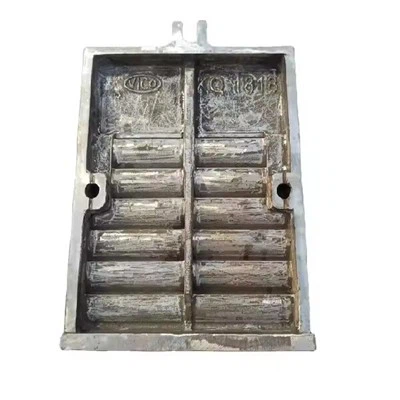
Another important integration is with the Cooler Grate Plates. The data from the Reclaimer Chain can be used to optimize the performance of the cooler grate plates, ensuring efficient cooling and extending their lifespan.


Challenges and Solutions in Data Storage
Like any data storage system, the Reclaimer Chain's data storage mechanism faces several challenges. One of the main challenges is data security. With the increasing number of cyber threats, protecting the sensitive data collected by the chain is of utmost importance. To address this challenge, strict security protocols are implemented, including firewalls, intrusion detection systems, and regular security audits.
Another challenge is data management. As the amount of data generated by the Reclaimer Chain grows, managing and analyzing it becomes more complex. To overcome this, advanced data management tools are used, such as data lakes and data warehouses. These tools help in storing, organizing, and analyzing large volumes of data effectively.
Implications for Different Sectors
The data storage mechanism of the Reclaimer Chain has far - reaching implications for different sectors. In the mining industry, it can improve the safety and efficiency of mining operations. By monitoring the chain's performance in real - time, operators can detect potential hazards and take preventive measures.
In the manufacturing sector, it can enhance product quality and reduce production costs. By analyzing data on the chain's operation, manufacturers can optimize their production processes, minimize waste, and improve overall efficiency.
In the energy sector, the data storage mechanism can contribute to more sustainable energy production. By using data to optimize the performance of equipment, energy companies can reduce their environmental impact and improve energy efficiency.
Conclusion
The data storage mechanism of the Reclaimer Chain is a complex yet essential part of its operation. It enables better monitoring, control, and decision - making, which are crucial for the success of industries that rely on the chain. As technology continues to evolve, we can expect further improvements in the data storage mechanism, leading to even greater efficiency and productivity.
If you're interested in learning more about the Reclaimer Chain or are considering purchasing it for your business, I encourage you to reach out to me. We can discuss your specific needs and how the Reclaimer Chain can be customized to meet them. Whether you're looking to improve your operational efficiency, reduce costs, or enhance safety, the Reclaimer Chain could be the solution you've been searching for.
References
- "Industrial Data Storage and Management" - A comprehensive guide on data storage in industrial settings.
- "Advances in Sensor Technology for Heavy - Duty Equipment" - Research on the sensors used in the Reclaimer Chain.
- "Cloud Computing in Industrial Applications" - Information on the use of cloud storage for industrial data.