As a supplier of Kiln Thrust Rollers, I've witnessed firsthand the critical role these components play in the seamless operation of rotary kilns. The wear of kiln thrust rollers can have far - reaching consequences for kiln operation, and in this blog, I'll delve into the various impacts and why it's essential to address this issue promptly.
Understanding the Function of Kiln Thrust Rollers
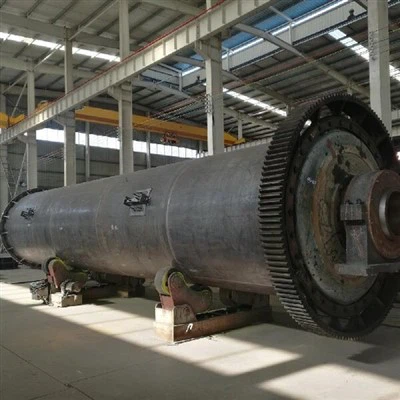
Before we explore the impacts of wear, let's briefly understand what kiln thrust rollers do. Kiln thrust rollers are an integral part of the rotary kiln system. Their primary function is to support the kiln's axial load and control its axial movement. They ensure that the kiln rotates smoothly along its axis, maintaining proper alignment and preventing excessive axial displacement. This is crucial for the efficient transfer of materials within the kiln and the overall stability of the entire operation.
Impact on Kiln Alignment
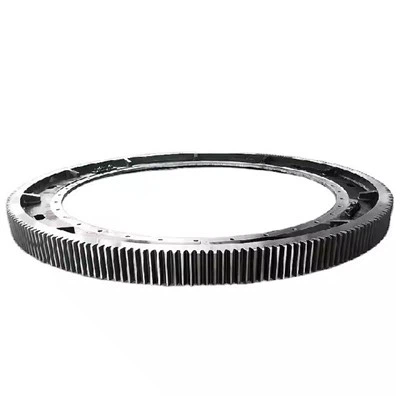
One of the most significant impacts of kiln thrust roller wear is on kiln alignment. As the thrust rollers wear, their surface profile changes. This can lead to uneven contact between the rollers and the kiln's girth gear or support rollers. The misalignment caused by worn thrust rollers can result in increased stress on other components of the kiln system. For instance, the Kiln Girth Gear may experience abnormal loading, which can cause premature wear and even damage. Misalignment can also affect the Support Roller for Rotary Kiln, leading to uneven wear patterns on these rollers as well. Over time, this misalignment can cause the kiln to deviate from its optimal operating position, reducing the efficiency of the entire process.
Decreased Operational Efficiency
Worn kiln thrust rollers can significantly decrease the operational efficiency of the kiln. When the rollers are worn, the friction between the rollers and the kiln's components increases. This increased friction requires more energy to rotate the kiln, leading to higher power consumption. In addition, the misalignment caused by wear can disrupt the smooth flow of materials within the kiln. For example, in a cement kiln, the proper movement of raw materials through the kiln is essential for the chemical reactions that produce cement clinker. Any disruption in this flow can result in incomplete reactions, lower - quality products, and reduced production rates. The overall efficiency of the kiln, measured in terms of energy consumption, production output, and product quality, is thus negatively affected.
Increased Maintenance Costs
The wear of kiln thrust rollers also leads to increased maintenance costs. As the rollers wear, they need to be inspected more frequently to assess the extent of the wear. In some cases, minor wear can be addressed through re - machining or surface treatment. However, if the wear is severe, the thrust rollers may need to be replaced entirely. The cost of replacement parts is only one aspect. There are also the costs associated with downtime during the replacement process. When the kiln is shut down for maintenance or replacement of worn thrust rollers, production stops, resulting in lost revenue. Moreover, the misalignment caused by worn thrust rollers can damage other components of the kiln system, such as the Kiln Girth Gear and Support Roller for Rotary Kiln. Repairing or replacing these damaged components further adds to the maintenance costs.
Safety Risks
Safety is another major concern when it comes to worn kiln thrust rollers. The misalignment and increased stress on the kiln components can lead to mechanical failures. For example, a worn thrust roller may suddenly break under the excessive load, causing the kiln to lose its axial stability. This can result in a catastrophic failure, endangering the lives of the workers operating the kiln. In addition, the increased vibration caused by misaligned and worn components can also pose a safety risk. Excessive vibration can loosen bolts and connections, leading to the detachment of parts, which can cause injuries to nearby workers.
Detection and Prevention of Thrust Roller Wear
To mitigate the impacts of kiln thrust roller wear, it's crucial to have a proper detection and prevention strategy. Regular inspection of the thrust rollers is essential. Visual inspection can reveal signs of surface wear, such as scratches, pitting, or uneven wear patterns. In addition, advanced techniques such as ultrasonic testing can be used to detect internal defects in the rollers.
Proper lubrication is also key to preventing wear. Using high - quality lubricants can reduce friction between the rollers and the kiln components, minimizing wear. Maintaining the correct operating conditions of the kiln, such as temperature and speed, can also help extend the lifespan of the thrust rollers.
The Role of Quality Kiln Thrust Rollers
As a Kiln Thrust Roller supplier, I understand the importance of providing high - quality products. High - quality thrust rollers are made from durable materials that can withstand the harsh operating conditions of the kiln. They are precision - engineered to ensure proper fit and alignment with the kiln system. By using our high - quality kiln thrust rollers, customers can reduce the frequency of wear and minimize the associated impacts on kiln operation.


Conclusion
In conclusion, the wear of kiln thrust rollers has a profound impact on kiln operation. It affects kiln alignment, decreases operational efficiency, increases maintenance costs, and poses safety risks. However, by implementing proper detection and prevention strategies and using high - quality thrust rollers, these impacts can be minimized.
If you're facing issues with your kiln thrust rollers or are looking for reliable and high - quality Kiln Thrust Rollers, I encourage you to reach out for a purchase negotiation. We have a team of experts who can provide you with the best solutions for your kiln system.
References
- "Rotary Kiln Operation and Maintenance Handbook", Industry Publishing Group, 2018
- "Materials and Design for Kiln Components", Journal of Industrial Materials Science, Vol. 12, No. 3, 2020
- "Safety Standards in Kiln Operations", International Safety Council for Industrial Kilns, 2019