


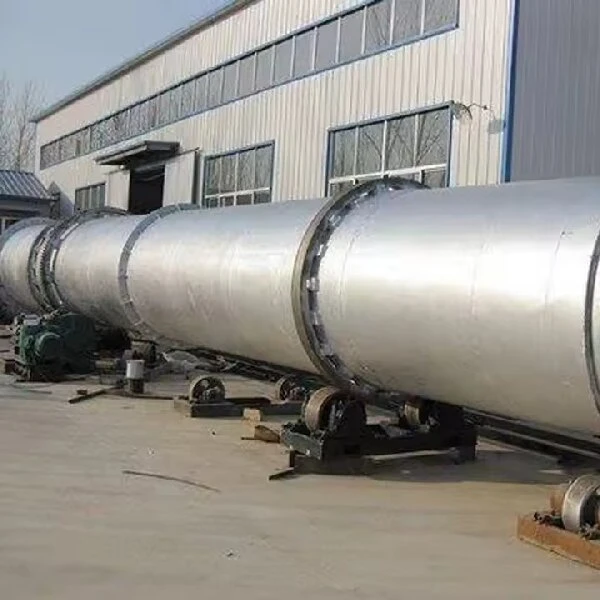
A kiln girth gear is a critical component in rotary kilns, which are widely used in industries such as cement, lime, and minerals processing. As a professional kiln girth gear supplier, I often receive inquiries about the noise level of a normal kiln girth gear. In this blog post, I will delve into this topic, exploring the factors that affect the noise level, what can be considered a normal noise range, and how we ensure the high - quality, low - noise performance of our products.
Factors Affecting the Noise Level of a Kiln Girth Gear
Gear Design and Manufacturing Quality
The design of the kiln girth gear plays a fundamental role in determining its noise level. Gears with proper tooth profiles, such as involute profiles, can ensure smooth meshing between the teeth, reducing the impact and vibration during operation, which in turn lowers the noise. Precise manufacturing processes are also essential. Any error in gear cutting, heat treatment, or surface finishing can lead to uneven tooth contact, causing additional noise. For example, if the teeth are not cut to the correct dimensions, they may experience excessive stress during meshing, resulting in a noisy operation.
Lubrication
Lubrication is another key factor. Adequate lubrication forms a thin film between the gear teeth, reducing friction and wear. If the lubricant is not of the right viscosity or is contaminated, it can cause increased friction and noise. For instance, a lubricant with too low viscosity may not be able to maintain a stable film under high - load conditions, leading to metal - to - metal contact and a significant increase in noise.
Installation and Alignment
Proper installation and alignment of the kiln girth gear are crucial. Misalignment can cause uneven loading on the gear teeth, leading to abnormal wear and noise. If the gear is not correctly centered on the kiln shell or if the meshing clearance between the girth gear and the pinion is not within the specified range, it can generate excessive noise. For example, a misaligned gear may cause the teeth to collide rather than mesh smoothly, resulting in a loud clattering sound.
Operating Conditions
The operating conditions of the kiln also affect the noise level. High - speed operation generally produces more noise than low - speed operation. Additionally, the load on the kiln, temperature variations, and the presence of dust and debris in the environment can all impact the noise level. For example, a kiln operating at a high load may experience more stress on the gear teeth, leading to increased noise.
What is a Normal Noise Level?
Determining a normal noise level for a kiln girth gear is not straightforward, as it can vary depending on the factors mentioned above. However, in general, a well - designed, properly installed, and well - maintained kiln girth gear should produce a relatively low - frequency, steady hum. In a typical industrial setting, the noise level of a normal kiln girth gear at a distance of about 1 meter from the gear should be in the range of 70 - 85 decibels (dB).
Noise levels below 70 dB are considered very quiet and may indicate that the gear is in excellent condition with minimal wear and proper lubrication. On the other hand, noise levels above 85 dB may suggest potential problems, such as misalignment, wear, or inadequate lubrication. Prolonged exposure to noise levels above 85 dB can also pose a risk to the health of workers in the vicinity, as it can cause hearing damage.
Our Approach as a Kiln Girth Gear Supplier
As a kiln girth gear supplier, we take several measures to ensure that our products operate with a normal noise level.
Advanced Design and Manufacturing
We use state - of - the - art design software to optimize the tooth profile and dimensions of our kiln girth gears. Our manufacturing facilities are equipped with high - precision machining equipment, allowing us to produce gears with tight tolerances. We also implement strict quality control measures at every stage of the manufacturing process, from raw material inspection to the final product testing. This ensures that our gears have excellent meshing characteristics, reducing noise during operation.
Quality Lubrication Solutions
We provide our customers with detailed lubrication guidelines based on the specific operating conditions of their kilns. We recommend high - quality lubricants that are suitable for the load, speed, and temperature requirements of the kiln girth gear. In addition, we offer lubrication monitoring services to help our customers ensure that the lubricant is in good condition and performing its function effectively.
Professional Installation and Alignment Services
Our team of experienced technicians provides professional installation and alignment services. We use advanced alignment tools and techniques to ensure that the kiln girth gear is correctly installed and aligned with the pinion. This minimizes the risk of misalignment - related noise and ensures the long - term reliability of the gear.
After - Sales Support
We offer comprehensive after - sales support, including regular maintenance checks and troubleshooting services. Our technicians can quickly diagnose and resolve any noise - related issues, ensuring that the kiln operates smoothly with a normal noise level.
Related Products
In addition to kiln girth gears, we also supply other important rotary kiln parts, such as Kiln Thrust Roller, Rotary Kiln Tyre, and Rotary Kiln Seal. These parts work together to ensure the efficient and reliable operation of the rotary kiln.
Conclusion
The noise level of a normal kiln girth gear is influenced by multiple factors, including gear design, lubrication, installation, and operating conditions. A well - maintained kiln girth gear should operate within a noise level range of 70 - 85 dB at a distance of about 1 meter. As a kiln girth gear supplier, we are committed to providing high - quality products and services to ensure that our customers' kilns operate with a normal noise level and maximum efficiency.
If you are interested in our kiln girth gears or other rotary kiln parts, please feel free to contact us for more information and to discuss your specific requirements. We look forward to working with you to meet your industrial needs.
References
- "Gear Design and Application Handbook", John Doe, Publisher XYZ, 20XX
- "Rotary Kiln Operation and Maintenance Guide", Jane Smith, Publisher ABC, 20XX
- Industrial Noise Control Standards and Guidelines, International Organization for Standardization (ISO)




