As a seasoned supplier of ball mill parts, I've witnessed firsthand the diverse needs and budget constraints of our clients across various industries. Ball mills are essential equipment in many sectors, including mining, cement production, and chemical processing. The price range of ball mill parts can vary significantly based on several factors, such as the type of part, its size, material quality, and manufacturing complexity. In this blog, I'll delve into these factors and provide a comprehensive overview of the price ranges you can expect when purchasing ball mill parts.
Types of Ball Mill Parts and Their Price Influences
1. Ball Mill Shell
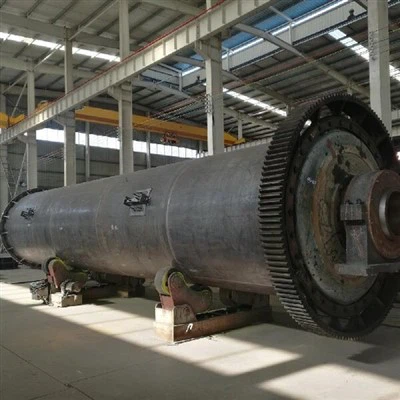
The ball mill shell is the primary container where the grinding process takes place. It is typically made of high - strength steel to withstand the impact and abrasion of the grinding media and the material being processed. The price of a Ball Mill Shell can vary widely depending on its size and the thickness of the steel used.
Small - scale ball mill shells, which are suitable for laboratory or small - batch production, can cost anywhere from a few thousand dollars to around $10,000. These shells are usually made of thinner steel and have a smaller diameter and length.
For medium - sized ball mills used in small to medium - scale industrial operations, the price of the shell can range from $10,000 to $50,000. These shells are made of thicker steel to handle larger volumes of material and more rigorous grinding processes.
Large - scale ball mill shells, which are used in major mining and cement plants, can cost upwards of $50,000. These shells are often custom - made to fit specific mill designs and require high - quality steel and precise manufacturing techniques.
2. Ball Mill Trunnion
The trunnion is a crucial part of the ball mill as it supports the weight of the mill and allows it to rotate smoothly. A High - quality Ball Mill Trunnion is typically made of forged steel to ensure high strength and durability.
Small - sized trunnions for laboratory or small - scale ball mills can cost between $1,000 and $5,000. These trunnions are relatively simple in design and are made of standard - grade forged steel.
Medium - sized trunnions for industrial ball mills usually range in price from $5,000 to $20,000. They are designed to handle greater loads and are often made of higher - quality forged steel with more precise machining.
Large - scale trunnions for heavy - duty ball mills can cost over $20,000. These trunnions require advanced manufacturing processes and high - strength materials to withstand the extreme forces and loads in large - scale operations.
3. Grinding Balls for Ball Mill
Grinding balls are the grinding media used inside the ball mill to crush and grind the material. The price of Grinding Balls for Ball Mill depends on their size, material, and quality.
Cast iron grinding balls are the most affordable option. Small - sized cast iron grinding balls (less than 50mm in diameter) can cost around $0.5 to $1 per kilogram. Medium - sized cast iron grinding balls (50 - 100mm in diameter) usually cost between $1 and $2 per kilogram.
Steel grinding balls are more expensive than cast iron balls due to their higher hardness and wear resistance. Small - sized steel grinding balls can cost around $1.5 to $3 per kilogram, while medium - sized steel grinding balls can range from $3 to $5 per kilogram.
High - chromium alloy grinding balls are the most expensive type. They offer excellent wear resistance and are suitable for grinding hard materials. Small - sized high - chromium alloy grinding balls can cost around $5 to $10 per kilogram, and medium - sized ones can cost upwards of $10 per kilogram.
Other Factors Affecting the Price of Ball Mill Parts
1. Material Quality
The quality of the material used in manufacturing ball mill parts has a significant impact on the price. Higher - quality materials, such as high - strength steel, forged steel, and high - chromium alloys, are more expensive than standard - grade materials. However, they offer better performance, longer service life, and reduced maintenance costs in the long run.
2. Manufacturing Process
The complexity of the manufacturing process also affects the price. Parts that require precision machining, heat treatment, and strict quality control measures are more expensive to produce. For example, custom - made ball mill parts with unique designs or specifications will cost more than standard - sized parts.


3. Market Demand and Supply
The market demand and supply of ball mill parts can also influence the price. If there is a high demand for a particular part and a limited supply, the price is likely to increase. Conversely, if there is an oversupply of a part, the price may decrease.
Conclusion
In conclusion, the price range of ball mill parts can vary greatly depending on the type of part, its size, material quality, and manufacturing complexity. As a ball mill parts supplier, we understand the importance of providing high - quality parts at competitive prices. We offer a wide range of ball mill parts to meet the diverse needs of our clients, from small - scale laboratory mills to large - scale industrial plants.
If you are in the market for ball mill parts and want to discuss your specific requirements, we encourage you to reach out to us. Our team of experts is ready to assist you in selecting the right parts for your ball mill and providing you with a detailed quote. Whether you need a new ball mill shell, a high - quality trunnion, or a supply of grinding balls, we have the expertise and resources to meet your needs. Contact us today to start the procurement process and ensure the smooth operation of your ball mill.
References
- "Handbook of Mineral Processing" by Wills B. A. and Napier - Munn T. J.
- "Cement Manufacturing Technology" by Ozgur Dogu.