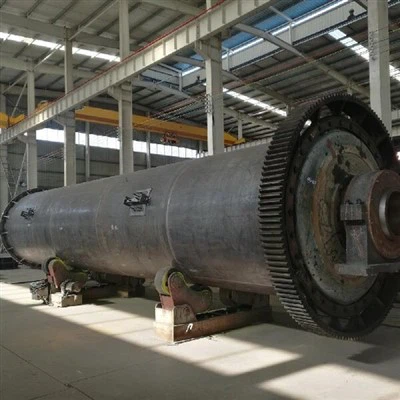
As a trusted supplier of ball mill parts, I've encountered numerous inquiries regarding the recommended clearance for ball mill bearings. This topic is of paramount importance as the proper clearance significantly impacts the performance, efficiency, and lifespan of ball mills. In this blog, I'll delve into the science behind ball mill bearing clearance, factors influencing it, and the optimal values to aim for.
Understanding Ball Mill Bearing Clearance
Ball mill bearing clearance refers to the amount of internal space or play between the bearing's rolling elements (balls or rollers) and the raceways. This clearance is crucial as it allows for thermal expansion, lubricant flow, and accommodation of misalignment. There are two main types of bearing clearance: radial clearance and axial clearance.
Radial clearance is the measurement of the space between the inner and outer races of the bearing in a radial direction. Axial clearance, on the other hand, is the space available for movement along the axis of the bearing. Both types of clearance are essential for the proper functioning of ball mill bearings.
Importance of Proper Bearing Clearance
The correct bearing clearance is vital for several reasons. Firstly, it ensures smooth operation of the ball mill. If the clearance is too small, the bearing may overheat due to insufficient space for lubricant flow, leading to premature wear and failure. Conversely, if the clearance is too large, the bearing may experience excessive vibration, which can cause damage to the bearing and other components of the ball mill.
Secondly, proper clearance helps to maintain the accuracy of the ball mill. In applications where precise grinding is required, such as in the pharmaceutical or chemical industries, the correct bearing clearance is essential to ensure consistent product quality.
Finally, the right clearance can extend the lifespan of the bearings. By reducing stress and wear on the bearing components, the bearing is less likely to fail prematurely, resulting in lower maintenance costs and increased productivity.
Factors Influencing Bearing Clearance
Several factors can influence the recommended clearance for ball mill bearings. These include:
Operating Temperature
Ball mills can generate a significant amount of heat during operation. As the temperature rises, the bearing components expand. Therefore, the initial clearance must be large enough to accommodate this thermal expansion. If the bearing is operated at high temperatures without sufficient clearance, the internal components may come into contact, leading to excessive wear and potential failure.
Load
The load applied to the ball mill bearings can also affect the recommended clearance. Heavy loads can cause the bearing components to deform slightly, reducing the effective clearance. In such cases, a larger initial clearance may be required to ensure proper operation under load.
Speed
The speed at which the ball mill operates is another important factor. High-speed operation can generate more heat and increase the centrifugal forces acting on the bearing components. This can lead to changes in the bearing's internal geometry and affect the clearance. For high-speed applications, a specific clearance range may be recommended to maintain stability and prevent premature wear.
Lubrication
The type and quality of lubrication used in the ball mill bearings can impact the clearance. Lubricants not only reduce friction but also help to dissipate heat. Insufficient lubrication or the use of the wrong type of lubricant can cause the bearing to overheat and reduce the effective clearance. Therefore, proper lubrication practices are essential to maintain the recommended clearance.
Recommended Clearance Values
The recommended clearance for ball mill bearings can vary depending on the specific application and the type of bearing used. However, as a general guideline, the following clearance values are often recommended:
For radial ball bearings, the radial clearance typically ranges from 0.01 to 0.05 mm for normal operating conditions. In applications with high loads or high temperatures, the clearance may need to be increased to 0.05 to 0.1 mm.
For cylindrical roller bearings, the radial clearance can be slightly larger, ranging from 0.02 to 0.08 mm for normal conditions and up to 0.1 to 0.2 mm for heavy-duty applications.
It's important to note that these are just general recommendations, and the actual clearance should be determined based on a detailed analysis of the specific operating conditions of the ball mill.
Our Ball Mill Parts Offerings
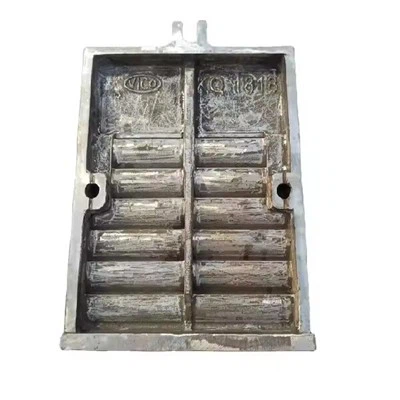
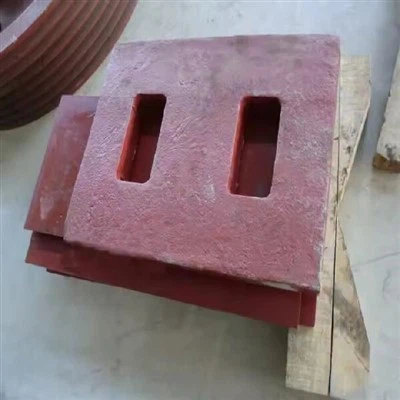
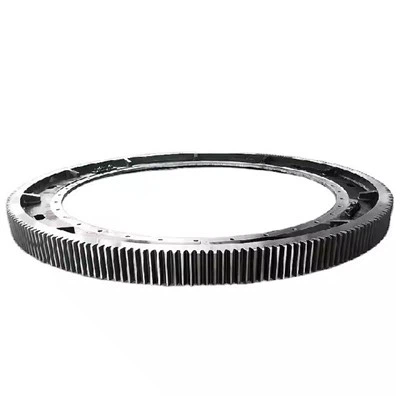
As a ball mill parts supplier, we offer a wide range of high-quality components to meet the diverse needs of our customers. Our product portfolio includes Vertical Roller Mill Grinding Roller, Ball Mill Bearing, and Ball Mill Diaphragm.
Our ball mill bearings are designed and manufactured to the highest standards, ensuring optimal performance and durability. We use advanced materials and precision machining techniques to achieve the recommended clearance values and provide reliable operation in various applications.


Conclusion
In conclusion, the recommended clearance for ball mill bearings is a critical factor that can significantly impact the performance and lifespan of the ball mill. By understanding the factors influencing clearance and following the recommended values, operators can ensure smooth operation, accurate grinding, and extended bearing life.
If you're in the market for high-quality ball mill parts, including bearings with the right clearance, we're here to help. Contact us to discuss your specific requirements and explore how our products can enhance the efficiency and reliability of your ball mill. We look forward to partnering with you to meet your ball mill parts needs.
References
- Harris, T. A., & Kotzalas, M. N. (2007). Rolling Bearing Analysis. Wiley-Interscience.
- SKF. (2019). SKF Rolling Bearing Handbook. SKF Group.
- Timken. (2020). Timken Bearing Handbook. The Timken Company.