Hey there! As a supplier of Jaw Crusher Plates, I've seen firsthand how the relationship between feed size and jaw crusher plates can make or break a crushing operation. In this blog, I'm gonna dive deep into this relationship, sharing some insights and tips that I've picked up over the years.
Let's start with the basics. The feed size refers to the size of the material that you're feeding into the jaw crusher. It's a crucial factor because it directly impacts how well the jaw crusher plates work. You see, jaw crusher plates are designed to break down large rocks and ores into smaller, more manageable pieces. But if the feed size is too large or too small, it can cause all sorts of problems.
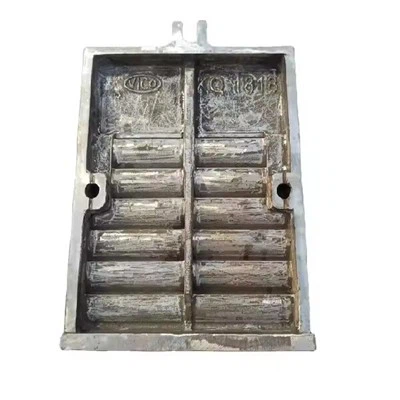
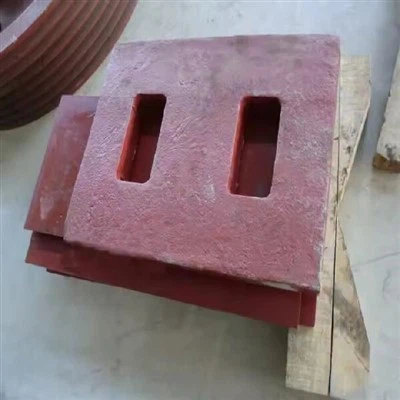
If the feed size is too large, it can put a lot of stress on the jaw crusher plates. The plates have to work extra hard to break down these oversized materials, which can lead to premature wear and tear. Over time, this can cause the plates to crack or even break, which means you'll have to replace them more often. And let's face it, replacing jaw crusher plates can be expensive and time-consuming.
On the other hand, if the feed size is too small, the jaw crusher might not be able to operate at its full capacity. The plates need a certain amount of material to work effectively, and if there's not enough, the crusher might not be able to generate enough force to break down the rocks. This can result in inefficient crushing and lower productivity.
So, how do you determine the right feed size for your jaw crusher? Well, it depends on a few factors. First of all, you need to consider the type of material you're crushing. Different materials have different hardness and density, which means they require different feed sizes. For example, if you're crushing hard granite, you might need a larger feed size compared to if you're crushing softer limestone.
Another factor to consider is the size and capacity of your jaw crusher. Larger crushers can typically handle larger feed sizes, while smaller crushers are better suited for smaller materials. You should also take into account the settings of your jaw crusher, such as the closed-side setting (CSS). The CSS determines the size of the output material, and it can also affect the optimal feed size.
As a general rule of thumb, the feed size should be no more than 80% of the gape of the jaw crusher. The gape is the distance between the fixed and movable jaws at the top of the crusher. By keeping the feed size within this range, you can ensure that the jaw crusher plates work efficiently and last longer.
Now, let's talk about how the feed size affects the wear pattern of the jaw crusher plates. When the feed size is too large, the plates tend to wear more at the top. This is because the large materials put more pressure on the upper part of the plates as they enter the crusher. On the other hand, if the feed size is too small, the wear might be more evenly distributed across the plates, but the crusher might not be operating at its best.
To minimize wear and extend the lifespan of your jaw crusher plates, it's important to maintain a consistent feed size. You can use a vibrating feeder to control the flow of material into the crusher and ensure that the feed size is uniform. This can help reduce the stress on the plates and improve the overall performance of the crusher.
In addition to the feed size, there are other factors that can affect the performance of jaw crusher plates. For example, the speed of the crusher, the type of lubrication, and the quality of the plates themselves all play a role. That's why it's important to choose high-quality jaw crusher plates from a reliable supplier.
As a supplier of Jaw Crusher Plates, I understand the importance of providing products that are durable and efficient. Our plates are made from high-quality materials and are designed to withstand the rigors of heavy-duty crushing. Whether you're in the mining, construction, or recycling industry, we have the right jaw crusher plates for your needs.
If you're looking for other crusher parts, we've got you covered too. We also offer Jaw Crusher Toggle Plate, High Quality Crusher Hammer, and Crusher Spring. These parts are essential for the proper functioning of your crusher and can help improve its performance and reliability.


So, if you're having trouble with your jaw crusher or you're looking to upgrade your crusher parts, don't hesitate to get in touch. We're here to help you find the right solutions for your crushing needs. Whether you need advice on the feed size, recommendations for the best jaw crusher plates, or just want to discuss your options, we're happy to answer your questions.
In conclusion, the relationship between the feed size and jaw crusher plates is crucial for the efficient operation of a jaw crusher. By understanding how the feed size affects the plates and taking steps to maintain a consistent feed size, you can improve the performance of your crusher, reduce wear and tear on the plates, and save money in the long run. If you have any further questions or if you're interested in our products, feel free to reach out. We look forward to hearing from you and helping you optimize your crushing operation.
References
- "Crushing Equipment Handbook" - A comprehensive guide on crushing equipment and operations.
- Industry research papers on jaw crusher performance and wear analysis.