As a seasoned supplier of Ball Mill Bearings, I've encountered numerous inquiries regarding the standard tolerance of these crucial components. In this blog, I aim to shed light on this topic, offering in - depth insights and practical knowledge to help you understand the significance of tolerance in ball mill bearings.
Understanding Tolerance in Ball Mill Bearings
Tolerance, in the context of ball mill bearings, refers to the allowable deviation from the specified dimensions, geometric form, and surface finish. It is a critical factor that directly impacts the performance, reliability, and lifespan of the bearing. A bearing with the correct tolerance ensures smooth operation, reduces vibration and noise, and minimizes wear and tear.
The tolerance of a ball mill bearing is determined by several international standards, such as ISO (International Organization for Standardization) and ABEC (Annular Bearing Engineering Committee). These standards define the acceptable limits for various parameters, including inner and outer diameter, width, roundness, cylindricity, and surface roughness.
Types of Tolerance in Ball Mill Bearings
Dimensional Tolerance
Dimensional tolerance pertains to the allowable variation in the size of the bearing components. For example, the inner diameter of a ball mill bearing must fall within a specific range to ensure a proper fit on the shaft. If the inner diameter is too large, the bearing may slip on the shaft, leading to misalignment and premature failure. Conversely, if it is too small, excessive stress may be applied to the shaft, causing deformation or damage.
The outer diameter of the bearing also has a defined tolerance. It needs to fit precisely into the housing to maintain stability and prevent radial movement. Any deviation from the standard outer diameter can result in uneven loading and increased friction, which can significantly reduce the bearing's efficiency.


Geometric Tolerance
Geometric tolerance focuses on the shape and form of the bearing components. Roundness, cylindricity, and straightness are some of the key geometric parameters that are closely monitored. A bearing with poor roundness may cause uneven contact between the balls and the raceways, leading to increased wear and vibration. Similarly, if the bearing is not cylindrical within the specified tolerance, it can result in misalignment and reduced load - carrying capacity.
Surface Finish Tolerance
The surface finish of the bearing components plays a vital role in its performance. A smooth surface reduces friction and wear, allowing the balls to roll freely within the raceways. The surface roughness of the raceways and the balls is carefully controlled to meet the standard tolerance. Any scratches, pits, or irregularities on the surface can cause premature failure of the bearing by increasing friction and generating heat.
Factors Affecting the Standard Tolerance of Ball Mill Bearings
Operating Conditions
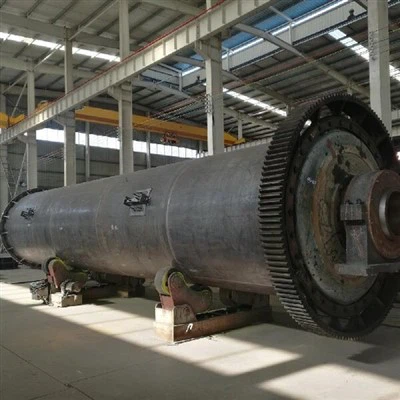
The operating conditions of the ball mill have a significant impact on the required tolerance of the bearings. For example, if the ball mill operates at high speeds, the bearings need to have a tighter tolerance to ensure stability and reduce vibration. High - speed operation generates more heat and centrifugal forces, which can cause the bearing components to expand. A bearing with a wider tolerance may not be able to withstand these forces, leading to premature failure.
On the other hand, if the ball mill operates under heavy loads, the bearings need to have a higher load - carrying capacity. This often requires a more precise manufacturing process to ensure that the bearing components can distribute the load evenly. The tolerance for heavy - load applications is typically more stringent to maintain the integrity of the bearing under extreme conditions.
Material Properties
The materials used in the manufacturing of ball mill bearings also influence the standard tolerance. Different materials have different coefficients of thermal expansion, hardness, and ductility. For example, bearings made of high - quality steel may have different tolerance requirements compared to those made of ceramic materials. Steel bearings are more commonly used due to their high strength and durability, but they are also more susceptible to thermal expansion. Therefore, the tolerance for steel bearings needs to be carefully adjusted to account for temperature changes during operation.
Manufacturing Process
The manufacturing process of ball mill bearings is another crucial factor that affects the standard tolerance. Advanced manufacturing techniques, such as precision grinding and honing, can achieve higher levels of accuracy and tighter tolerances. However, these processes are often more expensive and time - consuming. On the other hand, less precise manufacturing methods may result in wider tolerances, which can be acceptable for some low - cost or less demanding applications.
Importance of Adhering to Standard Tolerance
Enhanced Performance
By adhering to the standard tolerance, ball mill bearings can operate at their optimal performance level. A bearing with the correct tolerance ensures smooth rotation, reduced friction, and efficient power transmission. This leads to improved productivity and lower energy consumption in the ball mill.
Extended Lifespan
Properly manufactured bearings with the right tolerance are less likely to experience premature wear and failure. They can withstand the operating conditions for a longer period, reducing the need for frequent replacements. This not only saves costs but also minimizes downtime, which is crucial for continuous industrial operations.
Reliability
Ball mill bearings that meet the standard tolerance are more reliable. They are less prone to sudden breakdowns and can provide consistent performance over time. This reliability is essential for industries that rely on ball mills for their production processes, such as mining, cement, and chemical industries.
Our Offerings as a Ball Mill Bearing Supplier
As a leading Ball Mill Bearing supplier, we understand the importance of maintaining the highest standards of tolerance in our products. We use state - of - the - art manufacturing equipment and advanced quality control systems to ensure that each bearing we produce meets or exceeds the international standards.
Our ball mill bearings are available in a wide range of sizes and configurations to suit different applications. Whether you need a bearing for a small - scale laboratory ball mill or a large - scale industrial ball mill, we have the right solution for you.
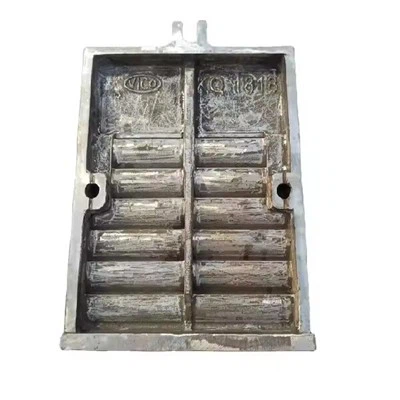
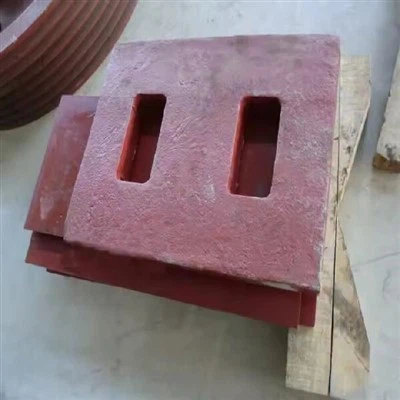
In addition to ball mill bearings, we also offer other essential ball mill parts, such as Ball Mill Linling Plate and Grinding Balls for Ball Mill. These parts are also manufactured with strict adherence to the industry standards to ensure compatibility and optimal performance.
Contact Us for Your Ball Mill Bearing Needs
If you are in the market for high - quality ball mill bearings or other ball mill parts, we invite you to contact us. Our team of experts is ready to assist you in selecting the right products for your specific requirements. We can provide detailed technical information, offer customized solutions, and ensure a smooth procurement process.
Don't compromise on the quality of your ball mill bearings. Choose a supplier that you can trust to deliver products that meet the highest standards of tolerance and performance. Reach out to us today to start a discussion about your ball mill bearing needs.
References
- ISO Standards for Rolling Bearings
- ABEC Standards for Bearing Tolerance
- Technical literature on ball mill operation and maintenance