Hey there! As a supplier of rotary kiln furnaces, I'm super stoked to dive into the working principle of these amazing machines. Rotary kiln furnaces are like the unsung heroes in a bunch of industries, doing all sorts of important jobs. So, let's get right into it!
Basic Structure of a Rotary Kiln Furnace
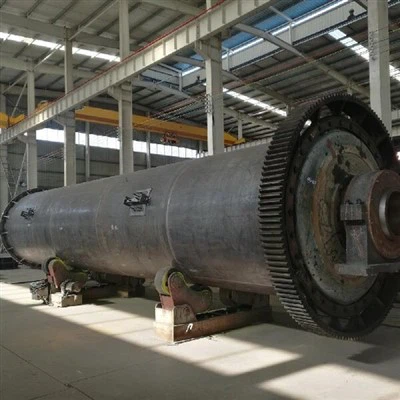
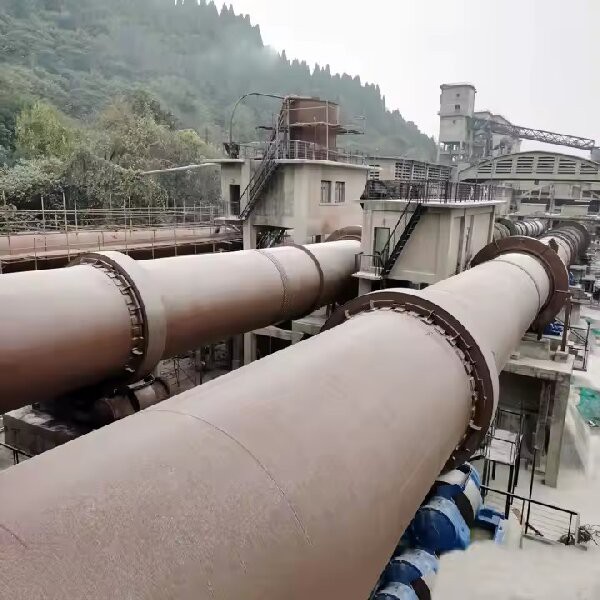
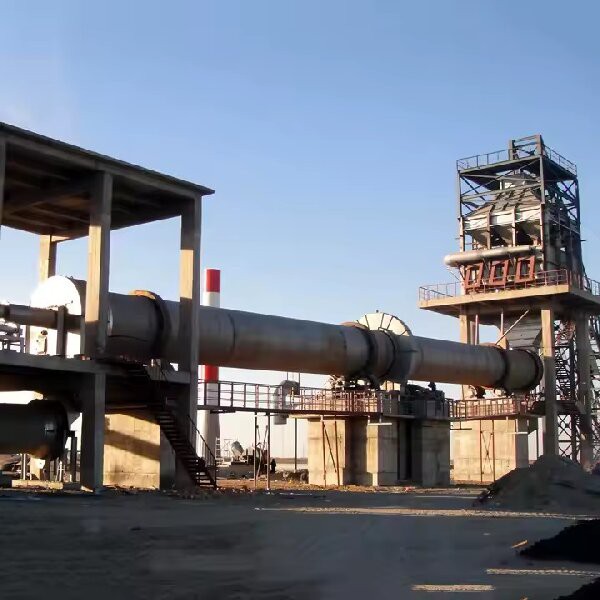
First off, let's take a quick look at what a rotary kiln furnace is made up of. At its core, it's a large, cylindrical vessel that's mounted at a slight angle. This cylinder is usually lined with refractory materials to handle the crazy high temperatures. The kiln rotates on its axis, and that rotation is a key part of how it works.
There are three main sections in a rotary kiln furnace: the feed end, the burning zone, and the discharge end. The feed end is where the raw materials are introduced into the kiln. These materials can be anything from limestone for cement production to ores for metal extraction. The burning zone is where all the action happens - this is where the heat is generated, and the chemical reactions take place. Finally, the discharge end is where the processed materials come out.
The Working Process
Now, let's break down the working process step by step.
Feeding
The whole process starts with feeding the raw materials into the kiln. This is usually done using a conveyor belt or some other type of feeding mechanism. The materials are fed into the higher end of the kiln, and gravity helps them move down towards the lower end as the kiln rotates. The rotation of the kiln also helps to mix the materials, ensuring that they're evenly heated and processed.
Heating
Once the materials are inside the kiln, it's time to heat them up. There are different ways to generate heat in a rotary kiln furnace. One common method is to use fuel burners. These burners can use various types of fuels, such as coal, gas, or oil. The burners are usually located near the discharge end of the kiln, and they fire hot gases into the kiln.
As the hot gases move through the kiln, they transfer heat to the materials. This heat transfer can happen through conduction, convection, and radiation. Conduction is the transfer of heat through direct contact between the hot gases and the materials. Convection is the transfer of heat through the movement of the hot gases. And radiation is the transfer of heat through electromagnetic waves.
Chemical Reactions
The high temperatures in the burning zone of the kiln trigger a series of chemical reactions. These reactions depend on the type of materials being processed. For example, in cement production, the limestone (calcium carbonate) decomposes into calcium oxide and carbon dioxide when heated. This is called calcination.
In metal extraction, the ores are usually reduced to their metal form. For instance, iron ore (iron oxide) is reduced to iron using a reducing agent, such as carbon monoxide. These chemical reactions are crucial for transforming the raw materials into the desired products.
Discharge
After the materials have gone through the chemical reactions, they're ready to be discharged from the kiln. The processed materials come out of the lower end of the kiln and are usually collected in a hopper or some other type of container. From there, they can be further processed or used in various applications.
Different Types of Rotary Kiln Furnaces
There are several types of rotary kiln furnaces, each designed for specific applications. Let's take a look at a few of them.
Precalciner Kiln
The Precalciner Kiln is commonly used in the cement industry. It's an advanced type of kiln that has a precalciner unit in addition to the main kiln. The precalciner preheats and partially calcines the raw materials before they enter the main kiln. This helps to improve the efficiency of the kiln and reduce energy consumption.
High Temperature Roller Hearth Kiln
The High Temperature Roller Hearth Kiln is used for high-temperature processing of materials. It has a roller hearth that moves the materials through the kiln. This type of kiln is often used in the ceramics and electronics industries for firing and sintering processes.
Industrial Continuous Kiln
The Industrial Continuous Kiln is designed for continuous production. It can operate 24/7, making it ideal for large-scale industrial applications. This type of kiln is commonly used in the production of bricks, tiles, and other ceramic products.
Advantages of Rotary Kiln Furnaces
Rotary kiln furnaces offer several advantages over other types of furnaces.
Uniform Heating
The rotation of the kiln ensures that the materials are evenly heated. This helps to produce high-quality products with consistent properties.
High Efficiency
Rotary kiln furnaces are very efficient in terms of heat transfer. The design of the kiln allows for maximum contact between the hot gases and the materials, which helps to minimize energy loss.
Versatility
These furnaces can be used for a wide range of applications, from cement production to metal extraction. They can handle different types of raw materials and can be customized to meet specific production requirements.
Applications of Rotary Kiln Furnaces
Rotary kiln furnaces are used in a variety of industries. Here are some of the most common applications.
Cement Industry
In the cement industry, rotary kiln furnaces are used to produce cement clinker. The raw materials, mainly limestone and clay, are heated in the kiln to form clinker, which is then ground into cement.
Metal Extraction
Rotary kiln furnaces are also used in metal extraction processes. For example, they can be used to roast ores to remove impurities and convert them into a more suitable form for further processing.
Waste Incineration
These furnaces can be used for waste incineration. The high temperatures in the kiln can effectively destroy organic waste and reduce its volume.
Conclusion
So, there you have it - the working principle of a rotary kiln furnace. These machines are truly remarkable, and they play a crucial role in many industries. If you're in the market for a rotary kiln furnace, whether it's a Precalciner Kiln, a High Temperature Roller Hearth Kiln, or an Industrial Continuous Kiln, we're here to help. We can provide you with high-quality kilns that are tailored to your specific needs. Don't hesitate to reach out if you have any questions or if you're interested in starting a procurement discussion.
References
- "Rotary Kiln Technology" by John Doe
- "Industrial Furnaces and Heat Treating Equipment" by Jane Smith