


Hey there! As a supplier of Kiln Girth Gears, I've been involved in countless installation projects, and I know firsthand that having the right tools is crucial for a smooth and successful installation. In this blog post, I'm gonna share with you all the tools you need for kiln girth gear installation.
Measuring Tools
First off, accurate measurements are the foundation of any proper installation. You'll need a set of high - quality measuring tools.
- Calipers: These are super handy for measuring the diameter, thickness, and other dimensions of the girth gear. You can use either vernier calipers or digital calipers. Digital calipers are great because they give you quick and precise readings, which can save you a lot of time during the measurement process.
- Micrometers: For even more precise measurements, especially when it comes to the gear teeth, micrometers are a must - have. They can measure small distances with high accuracy, ensuring that the gear teeth are within the specified tolerances.
- Laser Alignment Tool: This tool is essential for aligning the girth gear with the pinion gear. A misaligned gear can cause excessive wear, noise, and even damage to the entire kiln system. The laser alignment tool projects a laser beam that helps you adjust the position of the girth gear to ensure perfect alignment.
Lifting and Handling Tools
Installing a kiln girth gear is a heavy - duty job, so you'll need the right equipment to lift and handle the gear safely.
- Overhead Crane or Forklift: A large kiln girth gear can weigh several tons, so you'll need a powerful overhead crane or forklift to lift it into place. Make sure the lifting equipment has a sufficient weight capacity and is in good working condition.
- Slings and Shackles: These are used to attach the girth gear to the lifting equipment. You need to choose slings and shackles that are strong enough to support the weight of the gear and are rated for the type of lifting operation you're performing.
- Rollers and Skates: Once the girth gear is lifted, you may need to move it horizontally into position. Rollers and skates can be used to make this process easier and safer. They allow you to roll the gear along a flat surface without having to drag it.
Assembly Tools
To assemble the kiln girth gear onto the kiln shell, you'll need a variety of assembly tools.
- Torque Wrenches: Torque wrenches are used to tighten the bolts that hold the girth gear to the kiln shell. It's important to tighten the bolts to the correct torque specification to ensure a secure and stable connection. Over - tightening or under - tightening the bolts can lead to problems down the road.
- Hydraulic Jacks: Hydraulic jacks can be used to adjust the position of the girth gear during assembly. They provide a controlled and powerful force that can be used to lift or lower the gear slightly to get it into the right position.
- Hammers and Chisels: These basic hand tools can be used for minor adjustments and for removing any burrs or rough edges on the gear or the kiln shell. A soft - faced hammer is often preferred to avoid damaging the gear surface.
Cutting and Welding Tools
In some cases, you may need to make minor modifications to the kiln shell or the girth gear during the installation process.
- Plasma Cutter or Oxy - Acetylene Torch: These cutting tools can be used to cut through metal if you need to make any adjustments to the kiln shell or remove any obstructions.
- Welding Machine: If you need to make any repairs or modifications to the girth gear or the kiln shell, a welding machine is essential. Make sure you have the appropriate welding rods and shielding gas for the type of metal you're working with.
Safety Equipment
Safety should always be your top priority during the installation process.
- Hard Hats, Safety Glasses, and Gloves: These are basic safety items that protect you from falling objects, flying debris, and sharp edges.
- Safety Harness: If you're working at height, a safety harness is a must. It can prevent you from falling and potentially save your life.
- Ear Protection: The installation process can be noisy, especially when using power tools. Ear protection such as earplugs or earmuffs can help prevent hearing damage.
Additional Parts and Components
While not exactly tools, having the right additional parts and components on hand can make the installation process go more smoothly.

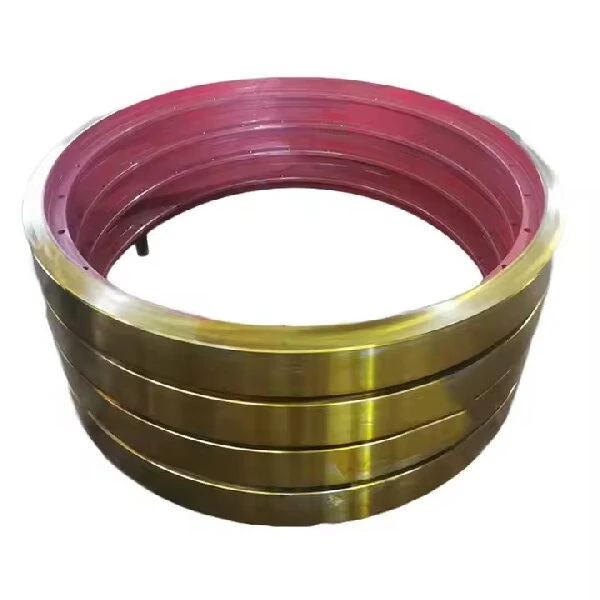
- Support Roller for Rotary Kiln: These rollers support the weight of the kiln and help it rotate smoothly. Make sure they are properly installed and aligned to ensure the stability of the entire kiln system.
- Rotary Kiln Seal: A good seal is important to prevent heat loss and the entry of dust and debris into the kiln. You need to choose a seal that is suitable for the operating conditions of your kiln.
- Rotary Kiln Tyre: The tyre provides a rolling surface for the kiln and helps transmit the load to the support rollers. It's important to check the condition of the tyre and replace it if necessary.
In conclusion, installing a kiln girth gear requires a comprehensive set of tools and equipment. By having the right tools on hand and following proper installation procedures, you can ensure a successful installation that will result in a long - lasting and efficient kiln system.
If you're in the market for a Kiln Girth Gear or any of the related parts and tools I've mentioned, don't hesitate to reach out. We're here to help you with all your kiln component needs. Whether you need advice on the right tools for installation or you're ready to place an order, we're just a message away.
References
- Industrial Machinery Handbook
- Kiln Installation and Maintenance Guide




