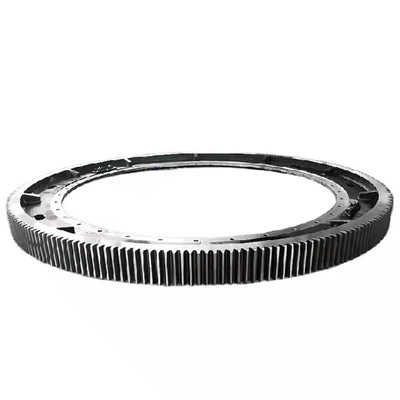
PPC Cement Manufacturing Process
Portland pozzolana cement (PPC cement) is a type of hydraulic cementitious material composed of Portland cement clinker, pozzolanic material, and an appropriate quantity of gypsum. This type of blended cement is made by combining and fine-grinding gypsum, pozzolanic material, and silicate cement clinker.
Key Characteristics of AGICO PPC Cement
- Pozzolanic Additives: Incorporates pozzolanic materials (e.g., fly ash, volcanic ash, or silica fume) at 15-35% by weight, enhancing long-term strength and durability through reactive silica-alumina interactions with calcium hydroxide.
- Reduced Heat of Hydration: Generates 20-30% less heat during curing compared to OPC, minimizing thermal cracking risks in mass concrete applications.
- Improved Sulfate Resistance: Pozzolanic reactions reduce free lime content, significantly boosting resistance to sulfate and chloride attacks in aggressive environments.
- Enhanced Workability: Fine pozzolanic particles improve particle packing density, yielding better cohesion and reduced water demand for equivalent slump.
- Eco-Efficiency: Lowers clinker content (30-40% CO₂ reduction per ton vs. OPC), aligning with sustainable construction practices.
- Long-Term Strength Gain: Exhibits slower early strength development (7-14 days) but surpasses OPC compressive strength after 28-90 days due to continued pozzolanic activity.
Process Of Your Cement Manufacturing
• Raw Material Preparation
- Portland clinker (65-70%), gypsum (3-5%), and pozzolanic materials (25-30%) like fly ash, volcanic ash, or silica fume are sourced.
- Clinker and gypsum are ground into a fine powder.
• Pozzolana Processing
- Pozzolanic materials are dried and crushed to enhance reactivity.
• Blending
- Ground clinker, gypsum, and processed pozzolana are precisely mixed in predetermined ratios.
Grinding
- The blend undergoes secondary grinding in ball mills to achieve uniform particle size (<45 microns).
• Packaging & Storage
- Final PPC cement is packed in moisture-resistant bags or stored in silos for bulk supply.

Equipment We Offered


Successful Cases

Why Choose Us?
Hot Tags: ppc cement manufacturing process, China ppc cement manufacturing process manufacturers, factory, white cement production process, cement industry production process, cement production process, cement manufacturing factory, cement roofing sheet manufacturing process, cement industry manufacturing process