



Product Description
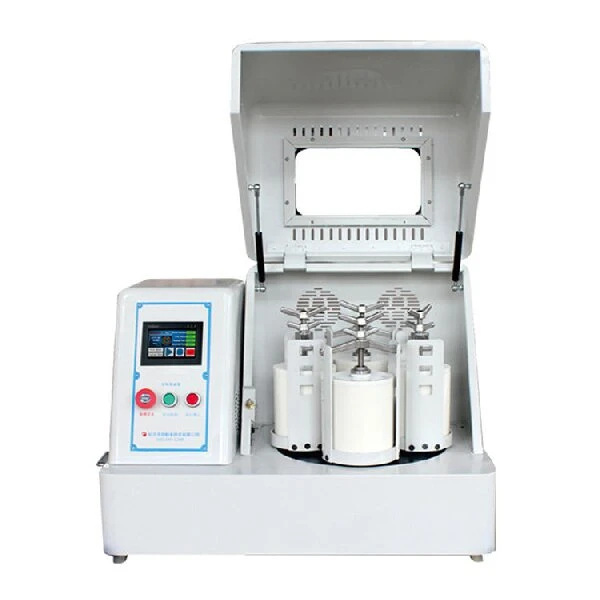
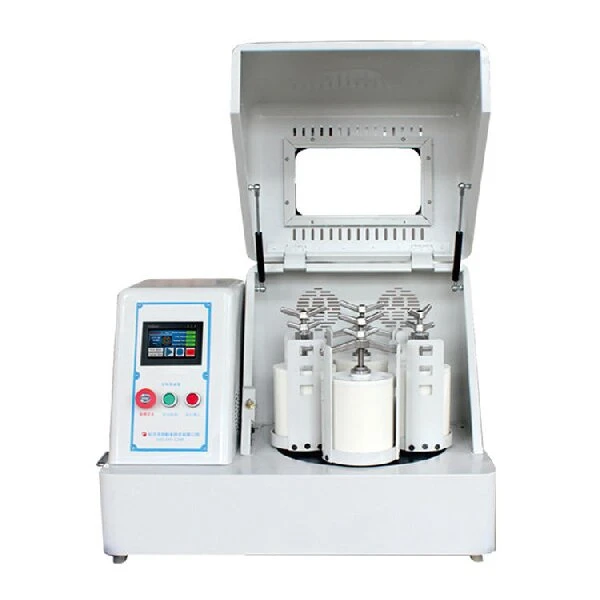
Production-Scale Planetary Grinding
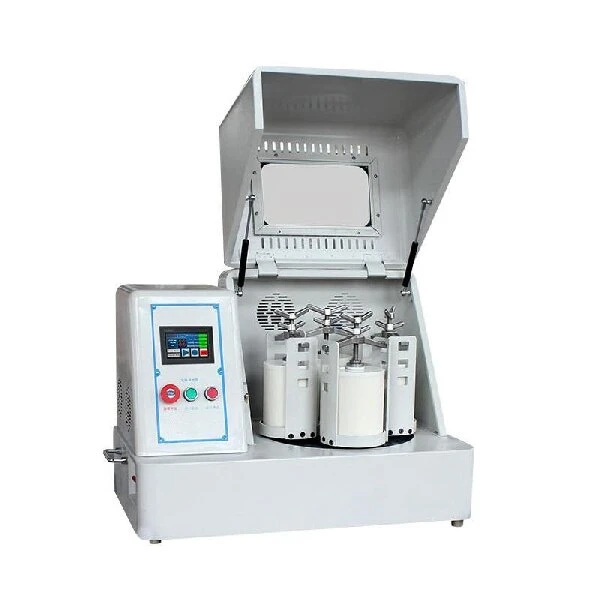
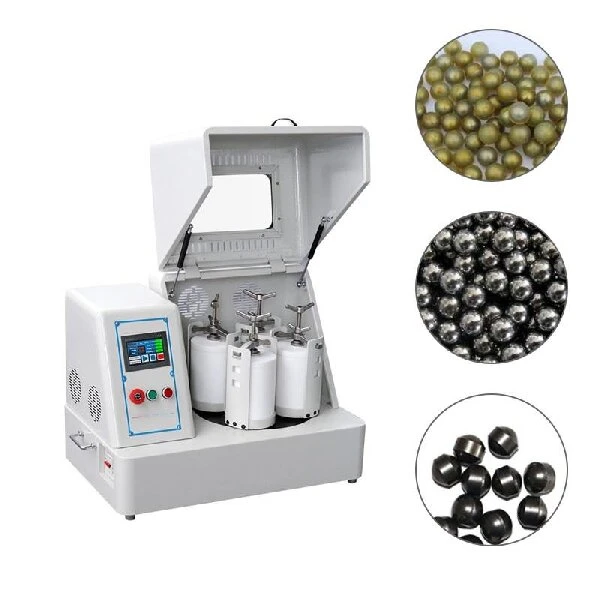
AGICO's Vertical Planetary Ball Mill is intended for fine grinding, mixing, homogenizing, and small-batch material development. Two or four grinding jars operate together on a vertical planetary drive. This arrangement suits laboratories and pilot production lines that need more working volume than a compact benchtop mill while retaining controlled batch operation. The final configuration is selected around the feed, target particle size, contamination limit, batch volume, and whether the process is dry, wet, or conducted in sealed jars.
Product Advantages
Why Choose Us?
Parallel Jar Processing
AGICO's planetary grinding platform runs two or four jars in one cycle, supporting comparison batches or larger combined working volume.
Adjustable Milling Conditions
The drive can be matched with variable speed, timed operation, and forward-reverse cycles for different materials and process targets.
Flexible Contact Materials
The mill can use stainless steel, zirconia, alumina, agate, tungsten carbide, PTFE, nylon, or polyurethane jars where technically suitable.
Enclosed Batch Operation
The enclosed chamber separates moving jars from the operator and helps contain noise and process dust during normal use.
Working Process
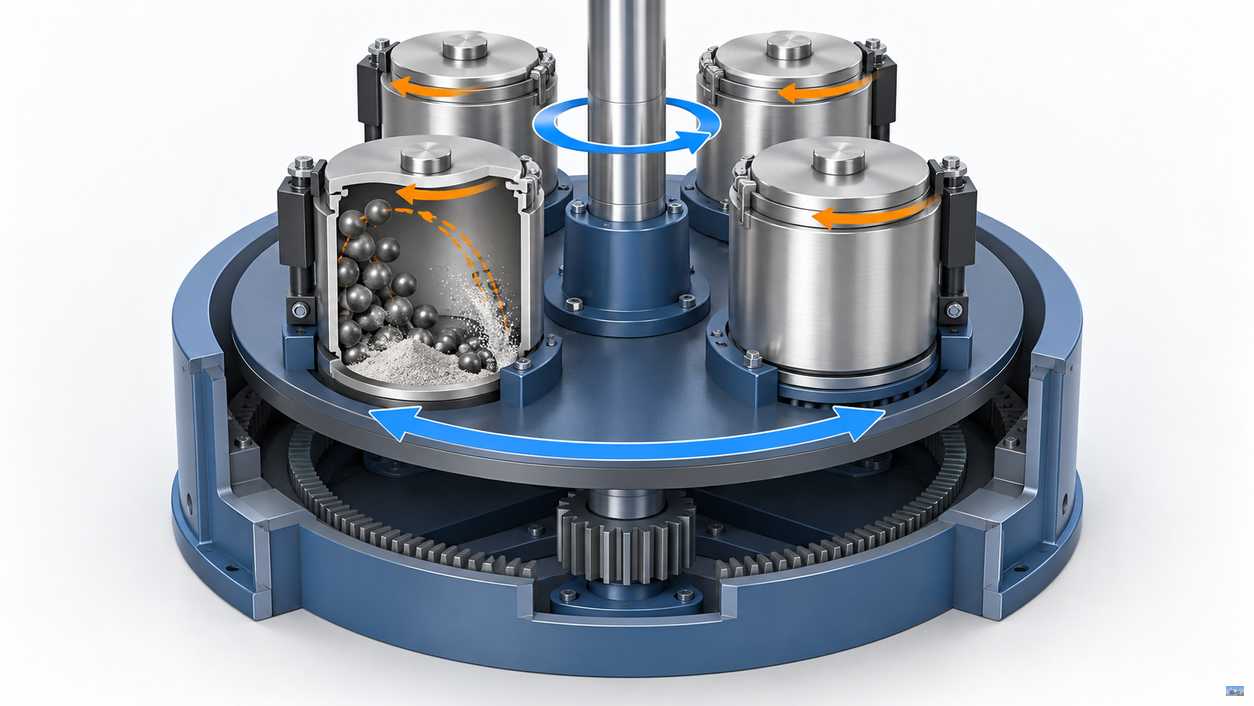
How Planetary Motion Produces Fine Powder
Load the Grinding Jars
Measured feed and selected grinding media are placed in compatible jars with a filling ratio developed for the material.
Create Planetary Motion
The carrier revolves while each jar rotates around its own axis, repeatedly lifting, accelerating, and redirecting the grinding balls.
Apply Impact and Shear
High-energy impact reduces particle size while friction and shear support mixing, dispersion, and fine grinding.
Complete a Controlled Cycle
Programmed speed, direction, and time are followed by controlled stopping before the sealed jars are removed.
Grinding System
Match the Jar to the Material
Jar and ball materials influence wear, contamination, impact energy, and cleaning. Stainless steel is a practical general option, while zirconia, alumina, tungsten carbide, or agate may suit tighter contamination or hardness requirements.
Wet, Sealed, or Vacuum Processing
Wet milling can improve dispersion and heat transfer when the liquid, seals, and jar material are compatible. Sealed or vacuum-capable jars may be considered for air-sensitive or oxidation-sensitive work.
Applications
Our latest projects
The same controlled batch platform can support development, quality evaluation, and repeatable powder preparation across several material groups.
Advanced Materials Development
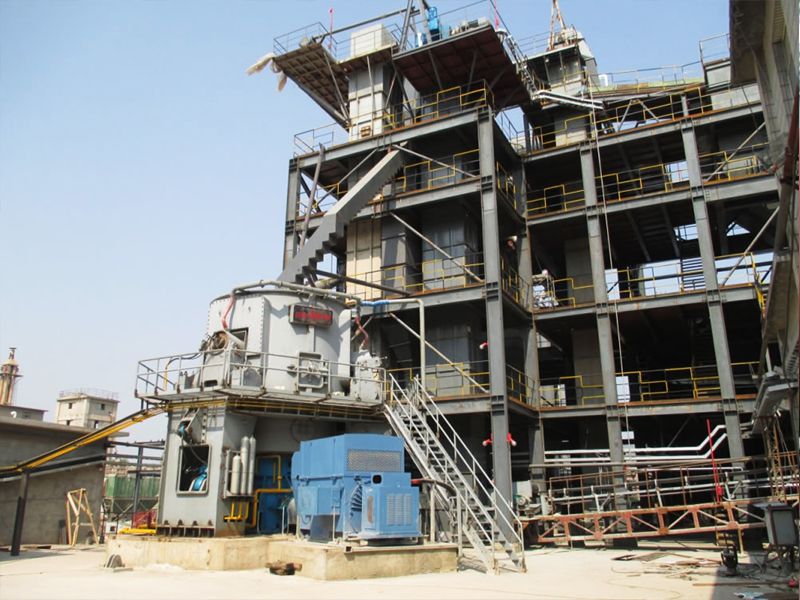
Prepare research and pilot batches for battery powders, catalysts, ceramics, composites, and mechanical alloying trials.
Mineral and Cement Laboratories
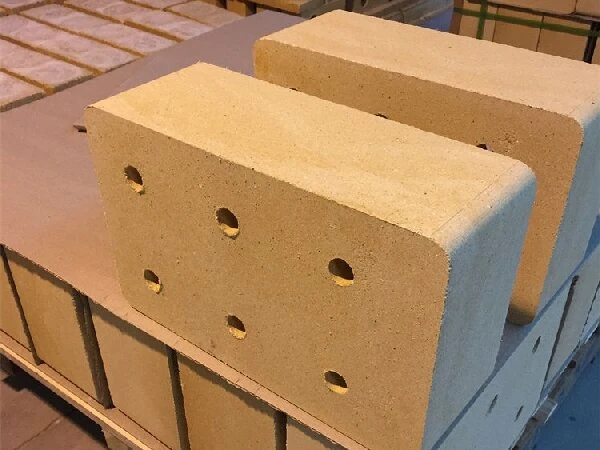
Grind representative mineral, clinker, slag, or additive samples for controlled laboratory evaluation and formulation work.
Powder Mixing and Homogenizing
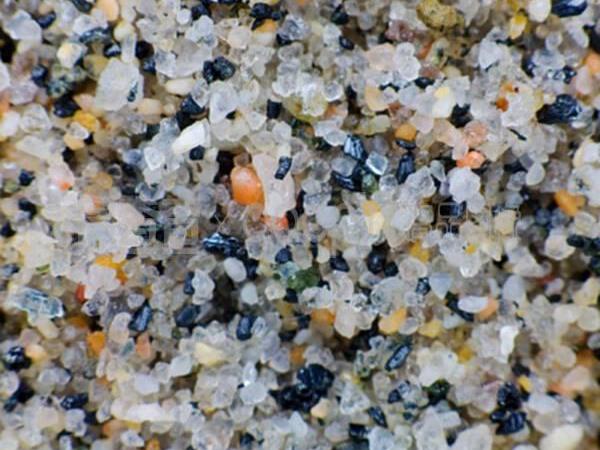
Blend multi-component powders when repeatable batch handling and strong mixing action are more important than continuous throughput.
Selection and Service
Information Needed for a Useful Proposal
Material name and maximum feed size
1
>>
Target fineness and acceptance method
2
>>
Batch quantity and number of jars
3
>>
Jar and grinding-media material
4
>>
Dry, wet, sealed, or vacuum process
5
>>
Local voltage and daily operating schedule
6
Hot Tags: vertical planetary ball mill, China vertical planetary ball mill manufacturers, factory
Technical Parameters
Published Market Reference - Production Type
| Reference model | Total jar volume | Jar arrangement | Motor power | Carrier speed | Jar speed | Voltage | Published dimensions |
| XQM-20 | 20 L | 4 × 2–5 L | 4 kW | 25–215 rpm | 50–430 rpm | 380 V, 50 Hz | 1200 × 760 × 920 mm |
| XQM-40 | 40 L | 4 × 5–10 L | 5.5 kW | 20–195 rpm | 40–390 rpm | 380 V, 50 Hz | 1400 × 850 × 1030 mm |
| XQM-60 | 60 L | 4 × 10–15 L | 7.5 kW | 27–174 rpm | 40–260 rpm | 380 V, 50 Hz | 1600 × 950 × 1120 mm |
| XQM-100 | 100 L | 4 × 20–25 L | 11 kW | 27–160 rpm | 40–240 rpm | 380 V, 50 Hz | 1750 × 1100 × 1180 mm |
The above data is provided for preliminary reference only. Actual plant capacity, mixer configuration, storage volume, power demand, discharge height, control functions, and overall dimensions must be confirmed according to your concrete recipes, site conditions, utilities, operating schedule, and specific project requirements.
These figures describe a published comparable XQM production series and are not fixed AGICO model data. For selection, provide the material name, feed size, desired fineness, batch mass, moisture or solvent, contamination limit, required jar material, local voltage, and expected daily operating hours.
FAQ
Frequently Asked Questions
What is the difference between a planetary ball mill and a conventional drum ball mill?
+
-
A planetary mill combines jar rotation with orbital motion, creating higher impact energy in a compact batch system. It is normally selected for fine grinding, mixing, and development work rather than high-throughput continuous cement grinding.
Can AGICO configure the mill for wet and dry grinding?
+
-
Yes. AGICO can review either mode, but jar material, seals, liquid compatibility, filling ratio, and cleaning procedure must be selected for the actual product.
How should I choose grinding jars and balls?
+
-
Choose a material that is harder than the feed and acceptable for the contamination limit. Density, wear resistance, chemical compatibility, and cleaning requirements should be compared before selection.
What information is needed for a quotation?
+
-
Send the feed material, maximum feed size, target fineness, batch quantity, preferred jar material, process mode, voltage, and required operating schedule. Photos or a sample specification are also helpful.
Does the mill require a foundation?
+
-
The answer depends on machine size, mass, floor condition, vibration criteria, and lifting access. Installation requirements are provided with the confirmed equipment configuration.


