


Hey there! As a supplier of Rotary Kiln Tyres, I've been getting a lot of questions lately about the use of high - hardness Rotary Kiln Tyres. Everyone seems to think that higher hardness is always better, but like everything in life, there are two sides to the coin. So, let's dive into whether there are any disadvantages of using a high - hardness Rotary Kiln Tyre.
First off, let me give you a quick intro. A Rotary Kiln Tyre is a crucial part of a rotary kiln system. You can find more info about it Rotary Kiln Tyre. It's basically a large ring that supports the kiln on the Support Roller for Rotary Kiln and helps it rotate smoothly. High - hardness tyres are made to be more wear - resistant and can, in theory, last longer under harsh operating conditions. But here's where the problems start to crop up.
One of the major issues with high - hardness Rotary Kiln Tyres is their brittleness. When you increase the hardness of a material, you're also reducing its ductility. Ductility is the ability of a material to deform under stress without breaking. With a high - hardness tyre, it's more likely to crack when it encounters sudden shocks or uneven loads. In a rotary kiln, there are all sorts of things that can cause these shocks. For example, if there's a sudden change in the feed rate of the material going into the kiln, it can create an imbalance. And when that imbalance hits the high - hardness tyre, there's a risk of a crack forming. Once a crack starts, it can spread quickly, and before you know it, the tyre is no longer usable.
Another problem is the cost. High - hardness materials are generally more expensive to produce. The manufacturing process often involves special heat treatments and the use of more expensive alloys. This means that the price of a high - hardness Rotary Kiln Tyre is going to be significantly higher than a regular one. As a supplier, I understand that customers are always looking for the best value for their money. And while a high - hardness tyre might last longer in some cases, the upfront cost can be a real deterrent. If you're on a tight budget, it might be hard to justify spending that extra money on a high - hardness tyre, especially if you're not sure if the benefits will outweigh the costs.
Then there's the issue of compatibility with other parts of the kiln system. The Rotary Kiln Seal and the support rollers are designed to work with a certain range of tyre hardness. When you use a high - hardness tyre, it can put extra stress on these other components. For example, the support rollers might wear out faster because the high - hardness tyre doesn't deform as easily to distribute the load evenly. This can lead to premature failure of the support rollers, which means more maintenance and replacement costs for the customer.
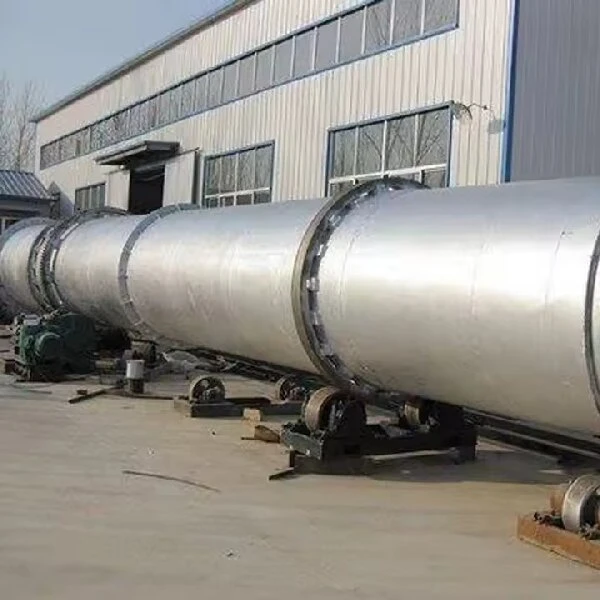

Installation and maintenance of high - hardness Rotary Kiln Tyres can also be a challenge. Because of their hardness, they're more difficult to machine and fit properly. Any small error in the installation can lead to problems down the line. For instance, if the tyre isn't centered correctly on the kiln, it can cause uneven wear and increase the risk of cracking. And during maintenance, it's harder to repair a high - hardness tyre. Welding or other repair methods might not work as well because of the material's brittleness. So, if there's a minor defect, it might be necessary to replace the entire tyre, which is both time - consuming and expensive.
In some cases, the high - hardness of the tyre can also affect the performance of the kiln itself. A tyre that's too hard can make the kiln less flexible in terms of its operation. The kiln needs to be able to adjust to different operating conditions, and a high - hardness tyre can limit that ability. For example, if the kiln needs to change its rotation speed or temperature, a high - hardness tyre might not be able to adapt as well as a more flexible one. This can lead to inefficiencies in the production process and potentially lower the quality of the final product.
Now, I'm not saying that high - hardness Rotary Kiln Tyres are completely useless. In some situations, where the operating conditions are extremely harsh and the risk of wear is very high, they can be a good choice. But it's important for customers to weigh the pros and cons carefully before making a decision.
If you're in the market for Rotary Kiln Tyres or any other related parts like Rotary Kiln Seal or Support Roller for Rotary Kiln, I'd be more than happy to have a chat with you. We can discuss your specific needs and figure out the best solution for your kiln system. Whether it's a high - hardness tyre or a more standard one, I'm here to help you make the right choice. Don't hesitate to reach out and start a conversation about your procurement needs.
References:
- General knowledge of rotary kiln systems and materials science.
- Industry reports on the performance and cost - effectiveness of different types of rotary kiln parts.




