In the industrial domain, especially within the sectors of cement, mining, and metallurgy, rotary kilns play a pivotal role. A crucial component of these rotary kilns is the kiln girth gear. As a supplier of kiln girth gears, I often encounter clients grappling with the question: Is it cost - effective to buy a high - end kiln girth gear? This blog aims to delve deep into this topic, analyzing the various aspects that influence the cost - effectiveness of high - end kiln girth gears.
Understanding the Role of Kiln Girth Gears
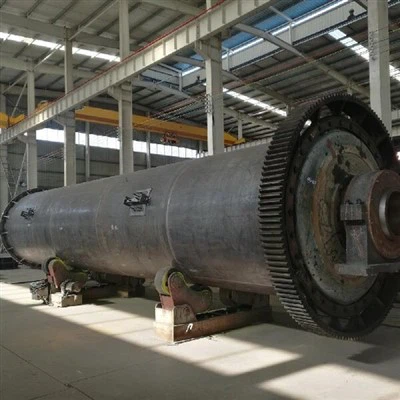
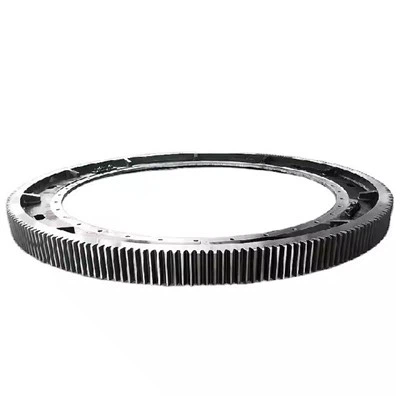
Before discussing cost - effectiveness, it's essential to understand what a kiln girth gear does. The kiln girth gear is a large, circular gear that is attached to the outside of the rotary kiln. It works in tandem with a pinion gear, which is connected to a drive motor. This setup enables the rotation of the kiln, facilitating the heat - treatment processes such as calcination, sintering, and drying. Without a properly functioning kiln girth gear, the entire operation of the rotary kiln can be severely hampered. For more information on kiln girth gears, you can visit our Kiln Girth Gear page.
Factors Affecting the Cost of High - End Kiln Girth Gears
High - end kiln girth gears typically come with a higher price tag compared to their standard counterparts. Several factors contribute to this elevated cost.
Material Quality
High - end kiln girth gears are often made from premium materials. These materials are selected for their superior strength, durability, and resistance to wear and tear. For instance, they may be forged from high - grade alloy steels that can withstand the high temperatures and heavy loads associated with rotary kiln operations. The use of such high - quality materials not only increases the initial manufacturing cost but also adds to the overall price of the product.
Precision Manufacturing
Manufacturing a high - end kiln girth gear requires a high level of precision. Advanced machining techniques and strict quality control measures are employed to ensure that the gear has accurate tooth profiles, proper hardness, and minimal dimensional tolerances. This precision manufacturing process demands specialized equipment, skilled labor, and significant time, all of which drive up the cost.


Design and Engineering
High - end kiln girth gears are designed with advanced engineering principles in mind. They are optimized for efficient power transmission, reduced vibration, and extended service life. The design process involves complex calculations and simulations to ensure that the gear can perform optimally under various operating conditions. The investment in design and engineering expertise is reflected in the final cost of the product.
Advantages of High - End Kiln Girth Gears
Despite the higher cost, high - end kiln girth gears offer several advantages that can contribute to long - term cost - effectiveness.
Extended Service Life
One of the most significant benefits of high - end kiln girth gears is their extended service life. Due to the use of high - quality materials and precision manufacturing, these gears can withstand the harsh operating conditions of rotary kilns for a longer period. This means fewer replacements and reduced downtime for maintenance and repairs. For example, a standard kiln girth gear may need to be replaced every 3 - 5 years, while a high - end gear could last 10 years or more.
Improved Efficiency
High - end kiln girth gears are designed to operate more efficiently. Their precise tooth profiles and smooth operation result in less energy loss during power transmission. This can lead to significant energy savings over the long run, especially in large - scale industrial operations where energy costs are a major expense.
Reduced Maintenance Costs
The durability and reliability of high - end kiln girth gears translate into lower maintenance costs. They are less prone to wear, cracking, and other forms of damage, which means fewer maintenance interventions. This not only saves on the cost of spare parts but also reduces the labor costs associated with maintenance.
Cost - Effectiveness Analysis
To determine whether it is cost - effective to buy a high - end kiln girth gear, a comprehensive cost - effectiveness analysis is necessary. This analysis should take into account both the initial purchase cost and the long - term operating costs.
Let's consider an example. Suppose a standard kiln girth gear costs $50,000 and needs to be replaced every 4 years. The high - end version, on the other hand, costs $100,000 but has a service life of 10 years. In addition, the high - end gear reduces energy consumption by 10% and maintenance costs by 30%.
Over a 10 - year period, the cost of using standard kiln girth gears would be $50,000 x 2.5 (since it needs to be replaced 2.5 times in 10 years) = $125,000. In addition, the energy and maintenance costs would be higher compared to the high - end gear.
For the high - end gear, the initial cost is $100,000. After factoring in the energy savings and reduced maintenance costs, the total cost over 10 years could be significantly lower than that of using standard gears.
Other Considerations
When making a decision about whether to buy a high - end kiln girth gear, there are other factors to consider.
Compatibility with Other Components
The kiln girth gear needs to be compatible with other components of the rotary kiln system, such as the pinion gear, bearings, and drive motor. High - end gears are often designed to work seamlessly with other high - quality components, which can enhance the overall performance of the system.
Industry Standards and Regulations
In some industries, there are strict standards and regulations regarding the quality and performance of kiln components. High - end kiln girth gears are more likely to meet these standards, which can help companies avoid potential legal issues and ensure the safety and reliability of their operations.
Related Components and Their Impact
In addition to the kiln girth gear, other components of the rotary kiln also play important roles. For example, the Rotary Kiln Tyre provides support and guidance for the kiln, while the Rotary Kiln Seal prevents the leakage of hot gases and materials. The performance of these components can also affect the overall cost - effectiveness of the kiln system. A high - end kiln girth gear can work in harmony with high - quality tyres and seals to optimize the performance of the rotary kiln.
Conclusion
In conclusion, while high - end kiln girth gears come with a higher initial cost, they can offer significant long - term cost savings through extended service life, improved efficiency, and reduced maintenance costs. A careful cost - effectiveness analysis, taking into account all relevant factors, is essential when making a purchasing decision.
As a kiln girth gear supplier, we understand the importance of providing high - quality products that offer the best value for our customers. If you are considering purchasing a kiln girth gear or have any questions about the cost - effectiveness of high - end options, we encourage you to contact us for a detailed discussion. Our team of experts is ready to assist you in making the right choice for your specific needs.
References
- "Industrial Rotary Kilns: Thermal Processing Systems" by Peter N. Cheremisinoff
- "Cement Kiln Systems: Design, Operation, and Optimization" by V. S. Ramachandran