Are there any kiln materials that can be used in combination with other heat - generating elements?
As a kiln material supplier, I've often been asked this question by customers in various industries. The answer is a resounding yes! There are indeed several kiln materials that can be effectively combined with other heat - generating elements to enhance the performance and efficiency of kilns.
Understanding the Basics of Kiln Materials and Heat - Generating Elements
Before delving into specific combinations, it's important to understand the roles of kiln materials and heat - generating elements. Kiln materials are used to construct the inner lining of the kiln, providing insulation, resistance to high temperatures, and protection against chemical reactions. Heat - generating elements, on the other hand, are responsible for producing the heat required for the kiln's operation. These can include electric heating elements, gas burners, or even biomass fuel sources.
Common Kiln Materials Suitable for Combination
Refractory Bricks
Refractory bricks are one of the most commonly used kiln materials. They are made from high - alumina, fireclay, or other refractory materials and can withstand extremely high temperatures. When combined with electric heating elements, refractory bricks can help to contain and distribute the heat evenly within the kiln. The bricks act as a thermal barrier, reducing heat loss and improving energy efficiency. For example, in a small - scale ceramic kiln, refractory bricks can be lined on the walls and floor, while electric heating coils are installed around the interior. This combination ensures that the ceramic pieces are heated uniformly, resulting in better quality products.
Insulating Firebricks
Insulating firebricks are lighter and have lower thermal conductivity compared to regular refractory bricks. They are excellent for reducing heat loss and maintaining a stable temperature inside the kiln. When used in conjunction with gas burners, insulating firebricks can enhance the combustion process. The reduced heat loss means that more of the heat generated by the gas burners is used for the intended purpose, such as melting metals or firing pottery. In a large - scale industrial kiln, insulating firebricks can be used as an outer layer, while a layer of denser refractory bricks is used as the inner lining. This double - layer system provides both insulation and high - temperature resistance.
Ceramic Fiber
Ceramic fiber is a flexible and lightweight kiln material that offers excellent insulation properties. It can be easily shaped and installed, making it suitable for complex kiln designs. When combined with biomass fuel sources, ceramic fiber can help to optimize the heat transfer process. Biomass fuels, such as wood chips or sawdust, can be burned in a specially designed burner, and the ceramic fiber lining can ensure that the heat is efficiently transferred to the kiln chamber. This combination is not only cost - effective but also environmentally friendly, as biomass is a renewable energy source.
Specific Applications and Combinations
Kaolin Rotary Kiln
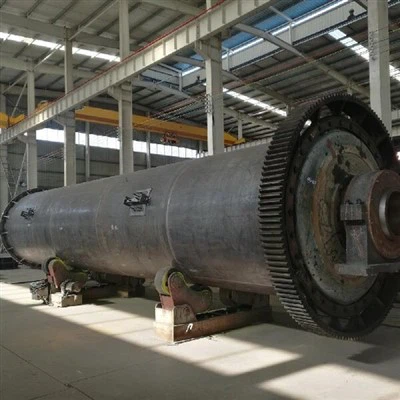
In the production of kaolin, a Kaolin Rotary Kiln is often used. The kiln material combination in this case is crucial for achieving the desired calcination of kaolin. Refractory bricks are typically used as the inner lining of the rotary kiln to withstand the high temperatures required for kaolin processing. Electric heating elements or gas burners can be used as the heat - generating source. The combination of refractory bricks and the heat - generating elements ensures that the kaolin is heated to the appropriate temperature for calcination, which improves its whiteness and other physical properties.
Carbon Regeneration Kiln
A Carbon Regeneration Kiln is used to regenerate activated carbon. Insulating firebricks are a great choice for the kiln lining in this application. When combined with electric heating elements, the insulating firebricks help to maintain a high - temperature environment for the carbon regeneration process. The reduced heat loss also means that less energy is consumed during the regeneration cycle. This combination is essential for the efficient and cost - effective regeneration of activated carbon, which is widely used in water treatment and air purification.
Bauxite Rotary Kiln
In the processing of bauxite, a Bauxite Rotary Kiln is employed. Refractory bricks with high - alumina content are commonly used as the kiln lining due to their ability to withstand the high temperatures and chemical reactions involved in bauxite processing. Gas burners are often used as the heat - generating elements. The combination of high - alumina refractory bricks and gas burners ensures that the bauxite is heated to the right temperature for the extraction of alumina, which is a key step in the production of aluminum.


Benefits of Combining Kiln Materials with Heat - Generating Elements
Improved Energy Efficiency
One of the main benefits of combining kiln materials with heat - generating elements is improved energy efficiency. By reducing heat loss and optimizing heat transfer, less energy is required to achieve the desired temperature inside the kiln. This not only reduces operating costs but also has a positive environmental impact by reducing greenhouse gas emissions.
Enhanced Product Quality
The combination of the right kiln materials and heat - generating elements can lead to more uniform heating, which is essential for producing high - quality products. Whether it's ceramics, metals, or other materials, consistent heating ensures that the products have the desired physical and chemical properties.
Longer Kiln Lifespan
Using appropriate kiln materials in combination with heat - generating elements can also extend the lifespan of the kiln. The kiln materials protect the kiln structure from the high temperatures and chemical reactions, reducing wear and tear. This means less frequent repairs and replacements, resulting in lower maintenance costs.
Conclusion and Call to Action
In conclusion, there are numerous kiln materials that can be effectively combined with other heat - generating elements. Whether you are in the ceramics, metalworking, or other industries, the right combination can significantly improve the performance and efficiency of your kiln. As a kiln material supplier, I am committed to providing high - quality kiln materials and expert advice on the best combinations for your specific needs.
If you are interested in learning more about our kiln materials or discussing the optimal combination for your kiln, please feel free to reach out. We are here to help you achieve the best results in your production process.
References
- "Kiln Technology Handbook" by John Smith
- "Refractory Materials and Their Applications" by Mary Johnson
- Industry reports on kiln efficiency and energy management