Hey there! I'm a supplier of Cooler Grate Plates, and I often get asked a bunch of questions about these nifty little things. One question that pops up quite a bit is, "Can cooler grate plates be used in a cooler with a partition?" Well, let's dive right into it and find out.
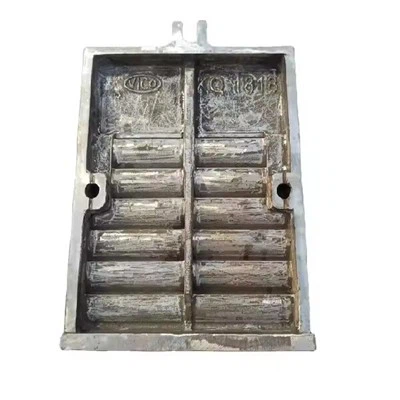
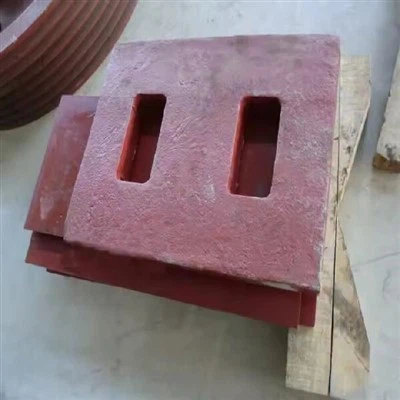
First off, let's talk about what cooler grate plates are. These are essential components in industrial coolers. They're designed to support the material being cooled and allow air to flow through, which is super important for efficient cooling. They come in different shapes, sizes, and materials, depending on the specific requirements of the cooler and the material being processed.
Now, when it comes to coolers with partitions, things get a bit more interesting. Partitions in a cooler are used to separate different sections of the cooling process. They can help control the flow of materials and air, and they can also prevent cross - contamination between different batches or types of materials.
So, can cooler grate plates be used in a cooler with a partition? The short answer is, in most cases, yes! But there are a few things to consider.
Compatibility
The first thing to think about is compatibility. Cooler grate plates need to fit properly within the cooler, including around the partitions. You've got to make sure that the size and shape of the grate plates match the dimensions of the cooler sections created by the partitions. If the grate plates are too big, they won't fit, and if they're too small, they might not provide the necessary support or allow for proper air circulation.


For example, if you have a cooler with narrow partitions, you'll need to use grate plates that are thin enough to fit between them. On the other hand, if the partitions are wide, you can use larger grate plates. It's all about finding that perfect fit.
Airflow
Another crucial factor is airflow. The whole point of using cooler grate plates is to facilitate air movement through the material being cooled. In a cooler with partitions, the partitions themselves can affect the airflow pattern. You need to ensure that the grate plates don't disrupt the airflow created by the partitions.
Some cooler grate plates are designed with specific patterns of holes or slots to optimize airflow. When using them in a partitioned cooler, you should make sure that these patterns work well with the airflow channels created by the partitions. For instance, if the partitions direct air in a certain direction, the grate plates should be arranged in a way that doesn't block or redirect that airflow in an unwanted manner.
Material Handling
Coolers with partitions are often used to handle different types of materials simultaneously. The cooler grate plates need to be able to handle the specific materials in each section. Some materials might be heavier or more abrasive than others.
If you're dealing with heavy materials, you'll need stronger and more durable grate plates. For abrasive materials, you might want to choose grate plates made from materials that can withstand wear and tear. The partitions can also help in separating different materials, but the grate plates still need to be up to the task of supporting and handling each type of material properly.
Installation and Maintenance
Installing cooler grate plates in a cooler with partitions can be a bit more challenging than in a non - partitioned cooler. You need to ensure that the plates are installed correctly around the partitions. This might require some additional tools or techniques.
Maintenance is also important. Over time, the grate plates can wear out, and you might need to replace them. In a partitioned cooler, accessing the grate plates for maintenance can be more difficult. You need to plan for easy access to each section of the cooler so that you can quickly and efficiently replace any worn - out grate plates.
Benefits of Using Cooler Grate Plates in a Partitioned Cooler
Despite the challenges, there are some great benefits to using cooler grate plates in a cooler with a partition.
- Improved Efficiency: By using grate plates in a partitioned cooler, you can enhance the overall cooling efficiency. The partitions help in controlling the cooling process, and the grate plates ensure proper air circulation, which means that the materials cool down faster and more evenly.
- Flexibility: A partitioned cooler allows you to handle different materials at the same time. The grate plates can be customized for each section, depending on the material requirements. This gives you a lot of flexibility in your cooling operations.
- Reduced Contamination: The partitions act as a barrier between different materials, reducing the risk of cross - contamination. The grate plates, when properly installed, support this function by keeping the materials separated and allowing for independent cooling processes.
Real - World Examples
Let's take a look at some real - world examples of where cooler grate plates are used in partitioned coolers.
In the cement industry, coolers with partitions are used to cool different types of cement clinker. The cooler grate plates support the clinker as it moves through the cooler, and the partitions help in controlling the cooling rate for each type of clinker. This ensures that the final cement product has the desired properties.
In the food processing industry, partitioned coolers are used to cool different food products. The cooler grate plates are made from food - grade materials and are designed to handle the specific requirements of each food item. For example, some food products might require a slower cooling rate, and the partitions and grate plates can be adjusted accordingly.
Other Related Components
When using cooler grate plates in a partitioned cooler, it's also important to consider other related components. One such component is the Reclaimer Chain. The reclaimer chain is used to move the material along the cooler. It needs to work in harmony with the grate plates and the partitions.
The reclaimer chain should be able to operate smoothly around the partitions and over the grate plates. If the chain is not compatible with the grate plates or the partitions, it can cause problems such as material jams or uneven movement of the material.
Conclusion
So, to sum it all up, cooler grate plates can definitely be used in a cooler with a partition. But you need to pay close attention to compatibility, airflow, material handling, installation, and maintenance. When done right, using cooler grate plates in a partitioned cooler can bring a whole host of benefits, including improved efficiency, flexibility, and reduced contamination.
If you're in the market for cooler grate plates for your partitioned cooler, I'd love to help. As a supplier, I've got a wide range of options to suit different cooler designs and material requirements. Whether you need custom - sized grate plates or ones with specific airflow patterns, I can work with you to find the perfect solution. So, don't hesitate to reach out and start a conversation about your cooler grate plate needs. Let's get your cooling process running smoothly!
References
- Cement Industry Handbook: Covers the use of coolers and related components in cement production.
- Food Processing Technology Textbooks: Provide information on cooling processes and equipment in the food industry.