Can cooling parts prevent overheating in extreme conditions?
Hey there! I'm a supplier of cooling parts, and this is a question I get asked a lot. Extreme conditions can really put a strain on equipment, and overheating is a major concern. So, can our cooling parts actually do the job when things get really tough? Let's dig in.
First off, what are extreme conditions? We're talking about high - temperature environments, like in industrial settings where machinery is constantly running under the scorching sun or in places near furnaces. There are also high - humidity areas where the moisture in the air can mess with the normal cooling processes. And then there are high - altitude conditions where the thin air can affect heat dissipation.
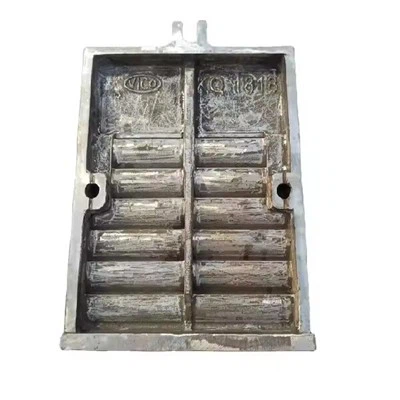
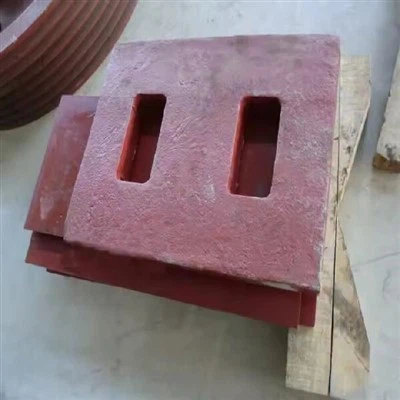
Now, let's look at how our cooling parts work. One of the key products we offer is the Cooler Grate Plates. These plates are designed to help with heat transfer. They are made from materials that have high thermal conductivity, which means they can quickly absorb heat from the equipment and release it into the surrounding environment. In extreme heat, this is crucial. For example, in a steel - making plant, where the temperatures can reach several hundred degrees Celsius, the cooler grate plates act as a buffer. They prevent the machinery from reaching critical temperatures by constantly siphoning off the excess heat.
Another important part is the Reclaimer Chain. This chain is often used in conveyor systems in industries like mining and agriculture. In extreme conditions, such as in a desert mine where the ground can be extremely hot, the reclaimer chain can overheat. But our specially designed reclaimer chain has a cooling mechanism built - in. It's made with a combination of materials that can withstand high temperatures and also help in dissipating heat. The chain moves in a way that exposes more surface area to the air, allowing for better heat exchange.
However, it's not all rosy. There are limitations to what our cooling parts can do in extreme conditions. For instance, in a situation where the ambient temperature is constantly above 50 degrees Celsius and the humidity is also very high, the cooling capacity of the parts can be reduced. The high humidity means that the air is already saturated with moisture, and it becomes harder for the heat to evaporate from the cooling parts. This can lead to a build - up of heat, even with the best - designed cooling systems.
In high - altitude areas, the thin air has less density. This means that there are fewer air molecules to carry away the heat. So, while our cooling parts are still working, they may not be as effective as they would be at sea level. The heat transfer process is slower, and it takes longer for the equipment to cool down.


But don't lose hope! We're constantly working on improving our products. We're researching new materials that can better withstand extreme temperatures and humidity. For example, we're looking into using ceramics in some of our cooling parts. Ceramics have excellent heat - resistant properties and can also transfer heat efficiently.
We're also looking at ways to enhance the cooling mechanisms of our parts. One idea is to use a combination of passive and active cooling. Passive cooling, like the heat transfer through the cooler grate plates, is great, but sometimes we need an extra boost. Active cooling could involve adding small fans or pumps to the parts to increase the air or fluid flow, which would speed up the heat dissipation process.
In addition to product development, we're also providing better installation and maintenance guidelines. Proper installation is crucial for the cooling parts to work effectively. If the cooler grate plates are not installed correctly, they won't be able to transfer heat properly. And regular maintenance, such as cleaning the parts to remove dirt and debris, can also improve their performance.
So, can our cooling parts prevent overheating in extreme conditions? The answer is yes, to a large extent. They can significantly reduce the risk of overheating and keep the equipment running for longer periods. But it's important to understand their limitations and work with us to find the best solutions for your specific situation.
If you're facing overheating issues in extreme conditions, don't hesitate to get in touch. We can have a detailed discussion about your needs, and our team of experts can recommend the most suitable cooling parts for your equipment. Whether it's a small - scale operation or a large industrial plant, we're here to help.
References
- Smith, J. (2020). "Heat Transfer in Extreme Environments". Industrial Heat Journal.
- Johnson, A. (2021). "Cooling Solutions for High - Temperature Machinery". Manufacturing Today Magazine.