As a supplier of Rotary Kiln Seals, I've witnessed firsthand the profound impact these seemingly small components have on the overall operating stability of rotary kilns. In this blog, I'll delve into the science behind how a rotary kiln seal affects the kiln's performance and why it's a crucial element in industrial operations.
The Basics of Rotary Kiln Operation
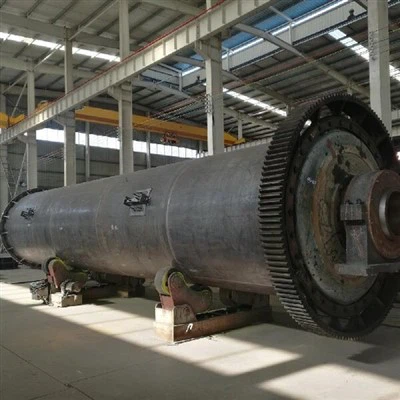
Before we explore the role of seals, let's briefly understand how a rotary kiln works. A rotary kiln is a large, rotating cylinder used in various industries, such as cement, lime, and metallurgy, to perform high - temperature processes like calcination, sintering, and roasting. The kiln rotates slowly around its axis while the material to be processed moves through it. The heat is generated either by direct combustion of fuel inside the kiln or by indirect heating.
The Function of a Rotary Kiln Seal
A rotary kiln seal is designed to prevent the leakage of hot gases and dust from the kiln. There are two main types of leaks that a seal addresses: axial and radial. Axial leaks occur along the length of the kiln, while radial leaks happen at the ends of the kiln where the stationary and rotating parts meet.
The primary functions of a rotary kiln seal are as follows:
- Energy Efficiency: By preventing hot gas leakage, the seal helps to maintain the high - temperature environment inside the kiln. This reduces the energy required to heat the kiln, leading to significant cost savings. For example, in a cement kiln, a well - sealed kiln can reduce fuel consumption by up to 5 - 10%.
- Product Quality: A proper seal ensures that the material inside the kiln is processed under the right conditions. Leakage of cold air into the kiln can disrupt the temperature profile, leading to inconsistent product quality. In the cement industry, for instance, improper sealing can result in clinker with lower strength and poor grindability.
- Environmental Protection: Sealing the kiln prevents the emission of dust and harmful gases into the environment. This is not only important for regulatory compliance but also for the health and safety of the workers and the surrounding community.
Impact on Operating Stability
Now, let's discuss how a rotary kiln seal affects the operating stability of the kiln.
Temperature Control
One of the key factors in rotary kiln operation is maintaining a stable temperature profile. A faulty seal can allow cold air to enter the kiln or hot gases to escape. When cold air enters, it cools down the hot gases and the material being processed. This can lead to a decrease in the reaction rate and an uneven temperature distribution along the length of the kiln.
For example, in a lime kiln, the calcination process requires a specific temperature range to convert limestone into lime efficiently. If the seal is not working properly, the temperature may drop below the required level, resulting in incomplete calcination and a lower - quality product. On the other hand, hot gas leakage can cause a loss of heat from the kiln, increasing the energy consumption and potentially damaging the external components of the kiln due to overheating.
Pressure Balance
A rotary kiln operates under a specific pressure regime. The seal helps to maintain the pressure balance inside the kiln. If there is a leak, the pressure inside the kiln can fluctuate. A sudden drop in pressure can cause the combustion process to become unstable, leading to incomplete combustion and the formation of pollutants such as carbon monoxide.


In addition, pressure imbalances can also affect the flow of the material inside the kiln. For example, in a cement kiln, a pressure drop can cause the material to move too quickly through the kiln, resulting in under - cooked clinker.
Mechanical Stress
A well - functioning seal reduces the mechanical stress on the kiln components. When there is a leak, the hot gases and dust can erode the kiln shell, Kiln Thrust Roller, and other parts. This erosion can weaken the structural integrity of the kiln, leading to premature failure of these components.
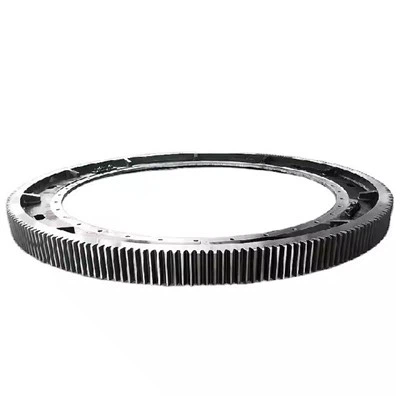
Moreover, the presence of dust in the environment due to leaks can also cause wear and tear on the moving parts of the kiln, such as the Kiln Girth Gear. This can increase the maintenance requirements and downtime of the kiln, affecting the overall productivity.
Choosing the Right Rotary Kiln Seal
As a Rotary Kiln Seal supplier, I understand the importance of choosing the right seal for your kiln. There are several factors to consider when selecting a seal:
- Kiln Type and Application: Different types of kilns, such as cement kilns, lime kilns, and metallurgical kilns, have different operating conditions. The seal should be designed to withstand the specific temperature, pressure, and chemical environment of the kiln.
- Sealing Material: The choice of sealing material is crucial. It should be able to resist high temperatures, abrasion, and chemical corrosion. Common sealing materials include ceramic fiber, graphite, and metallic alloys.
- Installation and Maintenance: The seal should be easy to install and maintain. A poorly installed seal can lead to premature failure, while difficult - to - maintain seals can increase the operating costs.
Conclusion
In conclusion, a rotary kiln seal plays a vital role in the operating stability of a rotary kiln. It affects energy efficiency, product quality, environmental protection, temperature control, pressure balance, and mechanical stress. Choosing the right seal and ensuring its proper installation and maintenance are essential for the smooth and efficient operation of the kiln.
If you're in the market for a high - quality rotary kiln seal, I encourage you to reach out to us. Our team of experts can help you select the right seal for your specific needs and provide you with professional installation and after - sales service. Contact us today to start a discussion about your rotary kiln sealing requirements.
References
- Smith, J. (2018). "Rotary Kiln Technology and Operation". Industrial Press.
- Johnson, A. (2019). "Sealing Solutions for Rotary Kilns". Journal of Industrial Engineering.
- Brown, C. (2020). "The Impact of Sealing on Rotary Kiln Performance". Cement and Lime Magazine.