Do crusher parts need to be replaced at regular intervals? This is a question that many operators in the mining, construction, and aggregate industries often ask. As a long - standing crusher parts supplier, I've witnessed firsthand the impacts of both regular and irregular part replacement on crusher performance. In this blog, I'll delve into the factors that determine whether crusher parts should be replaced at set intervals and offer some practical insights.
The Wear and Tear of Crusher Parts
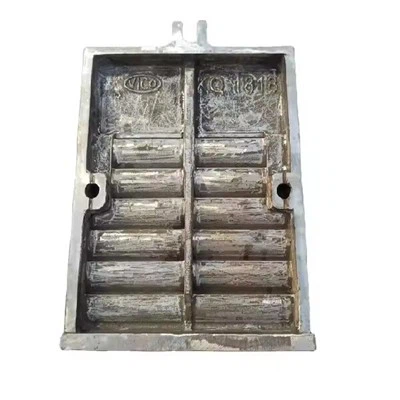
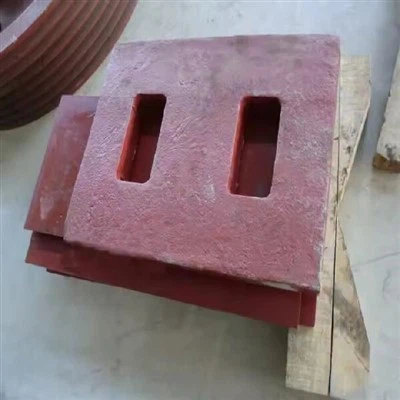
Crusher parts are constantly subjected to extreme conditions. They are used to break down hard materials like rocks, ores, and concrete. This process involves high levels of friction, impact, and abrasion. For example, the Jaw Crusher Plate in a jaw crusher is responsible for crushing materials between two plates. As the plates move against the rocks, they gradually wear down. Similarly, the High Quality Crusher Hammer in a hammer crusher is constantly striking the materials, which causes the hammer to lose its shape and mass over time.
The rate of wear depends on multiple factors. The hardness of the material being crushed is a primary factor. If you're crushing very hard granite, the wear on the parts will be much more severe compared to crushing softer limestone. The size of the feed material also matters. Larger pieces require more force to break, which can accelerate the wear of crusher components. Additionally, the operating environment, such as the presence of dust and moisture, can affect the lifespan of the parts. High - dust environments can lead to increased abrasion, while moisture can cause corrosion.
Benefits of Regular Replacement
Regular replacement of crusher parts offers several significant advantages. Firstly, it ensures consistent crusher performance. When parts are worn beyond a certain point, the crusher's efficiency drops. For instance, a worn - out jaw crusher plate may not be able to close the gap between the plates effectively, resulting in larger output sizes and reduced throughput. By replacing parts at regular intervals, you can maintain the crusher's ideal operating parameters, which in turn maximizes productivity.
Secondly, regular replacement can prevent major breakdowns. A small worn - out part can lead to a chain reaction of failures in other components. For example, a damaged Jaw Crusher Toggle Plate can cause the jaw crusher to malfunction, and if not addressed promptly, it may damage the entire jaw assembly. By replacing parts regularly, you can nip potential problems in the bud and avoid costly downtime for repairs.


Another benefit is safety. Worn - out parts can pose safety risks to operators. A loose or damaged hammer in a hammer crusher could fly out during operation, endangering the lives of workers. Regular replacement reduces these safety hazards and creates a safer working environment.
Drawbacks of Regular Replacement
However, there are also some potential drawbacks to regular replacement. The most obvious one is the cost. Crusher parts can be quite expensive, especially high - quality ones. Replacing parts on a strict schedule may lead to unnecessary expenses if the parts still have some useful life left. For example, if a crusher is used less frequently or is crushing relatively soft materials, the parts may not wear out as quickly as expected. In such cases, replacing parts at regular intervals means discarding parts prematurely.
Moreover, regular replacement requires more frequent maintenance downtime. Every time a part is replaced, the crusher needs to be shut down, which reduces the overall operating time and productivity. This can be a significant issue for large - scale operations where every hour of production counts.
Alternatives to Regular Replacement
Given the drawbacks of regular replacement, some operators opt for condition - based maintenance. This approach involves regularly inspecting the crusher parts to assess their condition. Non - destructive testing methods, such as ultrasonic testing and magnetic particle inspection, can be used to detect internal cracks and wear. By monitoring the actual condition of the parts, you can replace them only when they reach a critical wear level.
Predictive maintenance is another alternative. With the help of advanced sensors and data analytics, you can predict when a part is likely to fail. For example, sensors can measure the vibration, temperature, and pressure of the crusher during operation. By analyzing this data, you can identify patterns that indicate impending part failure. This allows for more precise replacement planning, reducing both costs and downtime.
Making the Decision
Deciding whether to replace crusher parts at regular intervals or use an alternative approach depends on several factors. For operations with a high - volume, continuous production schedule, regular replacement may be the best option. The cost of downtime for unexpected breakdowns can far exceed the cost of premature part replacement. On the other hand, for smaller operations or those with variable production needs, condition - based or predictive maintenance may be more suitable as it allows for more flexibility and cost - savings.
As a crusher parts supplier, I always recommend that operators keep a close eye on the condition of their parts. Regular inspections are essential, regardless of the maintenance strategy you choose. By understanding the specific needs of your crusher and the materials you're processing, you can make an informed decision about the best way to manage part replacement.
Conclusion
In conclusion, while there are valid reasons for both regular replacement and alternative maintenance strategies, the key is to find the right balance. Regular replacement has its merits in terms of performance, reliability, and safety, but it also comes with costs and downtime. Condition - based and predictive maintenance offer more flexibility and cost - savings but require more sophisticated monitoring.
If you're looking for high - quality crusher parts or need advice on part replacement, we're here to help. Our team of experts has in - depth knowledge of crusher components and can assist you in making the best decisions for your operations. Whether you're considering regular replacement or exploring alternative strategies, we can provide the right parts and support to keep your crusher running smoothly. Contact us to start a discussion about your crusher parts needs and let's work together to optimize your crusher performance.
References
- Smith, J. (2018). Crusher Maintenance Best Practices. Mining Journal.
- Johnson, A. (2019). Impact of Material Hardness on Crusher Parts Wear. Aggregate Industry Review.
- Brown, R. (2020). Predictive Maintenance in the Crushing Industry. Industrial Machinery Magazine.