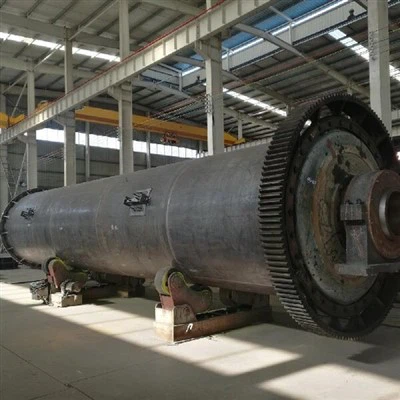
Hey there! As a supplier of kiln girth gears, I'm super stoked to take you on a deep - dive into how these bad boys work. You might be wondering, "What on earth is a kiln girth gear?" Well, it's a crucial part of a rotary kiln, a big cylindrical machine used in industries like cement, lime, and metallurgy to heat materials at high temperatures.
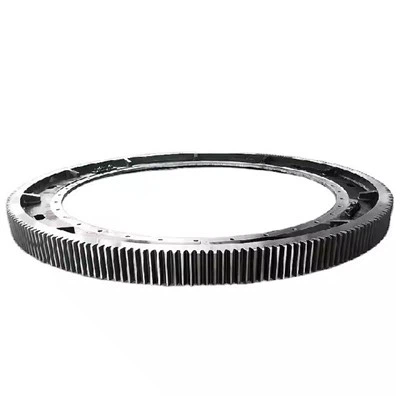
Let's start with the basics. A kiln girth gear is a large, toothed ring that's attached to the outside of the rotary kiln. It's like the muscle that gets the whole kiln moving. You can think of it as the engine of the kiln's rotational system. The gear meshes with a pinion, which is a smaller gear connected to a motor. When the motor turns the pinion, the teeth of the pinion engage with the teeth of the girth gear, causing the girth gear and, in turn, the entire kiln to rotate.
Now, you might be thinking, "Why all this fuss about rotation?" Well, the rotation of the kiln is essential for evenly heating the materials inside. As the kiln spins, the materials are constantly tumbled and mixed, ensuring that every bit of them gets exposed to the high - heat environment. This is super important for processes like calcination in the cement industry, where raw materials need to be heated to a specific temperature to transform into clinker.
But how does the kiln girth gear handle all the stress and load? First off, these gears are made from high - quality materials, usually forged steel. Forged steel is incredibly strong and can withstand the heavy loads and high - temperature conditions inside and around the kiln. The teeth of the girth gear are carefully machined to precise specifications. This precision is key because it ensures smooth and efficient power transmission from the pinion to the girth gear.
Another critical aspect is the alignment of the girth gear and the pinion. If they're not properly aligned, it can lead to uneven wear on the teeth, vibration, and even damage to the gear system. That's why during installation and maintenance, we use advanced alignment tools to make sure everything is in place. We check the parallelism between the axes of the girth gear and the pinion, as well as the radial and axial clearances.
Lubrication is also a big deal. Just like a car engine needs oil to run smoothly, the kiln girth gear needs proper lubrication. A good lubricant reduces friction between the teeth, which not only helps in smooth operation but also extends the lifespan of the gear. There are different types of lubricants available, and we usually recommend ones that can withstand high temperatures and have good anti - wear properties.
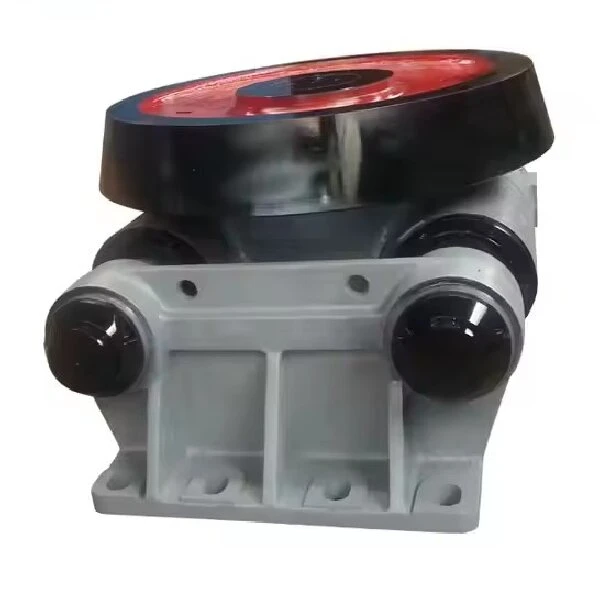

Now, let's talk about the role of the kiln girth gear in the overall rotary kiln system. It works in tandem with other important components like the Kiln Thrust Roller, Support Roller for Rotary Kiln, and Rotary Kiln Tyre. The kiln thrust roller helps to keep the kiln in its axial position, preventing it from moving back and forth. The support rollers, as the name suggests, support the weight of the kiln and allow it to rotate smoothly. And the rotary kiln tyre acts as a support ring for the kiln, distributing the load evenly across the support rollers.
The kiln girth gear needs to work in harmony with these components. For example, if the support rollers are not functioning correctly, it can cause misalignment of the kiln, which in turn can put extra stress on the girth gear. So, when we supply kiln girth gears, we also consider the overall system and make sure that our products are compatible with the other parts.
Maintenance of the kiln girth gear is an ongoing process. Regular inspections are a must. We check for signs of wear on the teeth, like pitting or spalling. Pitting is when small holes form on the tooth surface, and spalling is the chipping off of small pieces of the tooth. If we notice any of these issues early, we can take corrective actions like re - machining the teeth or applying special coatings to prevent further damage.
We also monitor the temperature of the gear. High temperatures can indicate problems like excessive friction or misalignment. If the temperature starts to rise above the normal range, we can investigate and fix the issue before it leads to major damage.
Now, I know all this technical talk might seem a bit overwhelming, but trust me, it's all about ensuring that your kiln runs smoothly and efficiently. And that's where we come in as a kiln girth gear supplier. We not only provide high - quality gears but also offer comprehensive after - sales support. Our team of experts is always ready to assist you with installation, maintenance, and any technical issues you might face.
If you're in the market for a reliable kiln girth gear or have any questions about how they work, don't hesitate to reach out. We're here to help you make the best decision for your rotary kiln system. Whether you're running a small - scale operation or a large industrial plant, we've got the right solution for you.
In conclusion, the kiln girth gear is the unsung hero of the rotary kiln system. It's a complex but essential component that plays a vital role in ensuring the smooth and efficient operation of the kiln. By understanding how it works and taking proper care of it, you can significantly improve the performance and lifespan of your kiln. So, if you're looking to upgrade or replace your kiln girth gear, give us a shout.
References
- Cement Industry Handbook: This handbook provides in - depth knowledge about the rotary kiln process and the role of various components, including the kiln girth gear.
- Forged Steel Handbook: It offers detailed information on the properties and applications of forged steel, which is the primary material used in kiln girth gears.