A special rotary kiln is a complex and sophisticated piece of equipment used in various industrial processes, such as cement production, lime burning, and ore roasting. As a supplier of special rotary kilns, I have witnessed firsthand the importance of understanding the key components that make these kilns efficient, reliable, and effective. In this blog post, I will delve into the essential elements of a special rotary kiln, providing insights into their functions and significance.
Shell
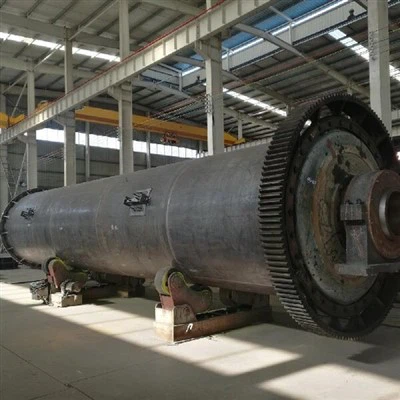
The shell is the outermost component of the rotary kiln, serving as the structural backbone that houses all other parts. It is typically made of high - strength steel plates, which are rolled and welded to form a cylindrical shape. The shell must be able to withstand high temperatures, mechanical stresses, and chemical corrosion. The thickness of the shell varies depending on the size and application of the kiln, but it generally ranges from 18 to 50 mm.
The shell rotates on a set of support rollers, which are strategically placed along its length. The rotation of the shell is crucial for the proper functioning of the kiln, as it ensures uniform heating and mixing of the materials inside. The speed of rotation can be adjusted according to the specific requirements of the process, usually ranging from 0.5 to 3 revolutions per minute.
Lining
Inside the shell, there is a lining that protects the shell from the high temperatures and abrasive materials within the kiln. The lining is made of refractory materials, such as firebricks, castables, or insulation materials. Refractory firebricks are commonly used due to their excellent heat - resistance properties. They are carefully installed in layers to provide maximum insulation and protection.
The lining also plays a role in maintaining the temperature profile inside the kiln. Different types of refractory materials are selected based on the temperature range and chemical environment of the specific process. For example, in a cement kiln, where high temperatures and aggressive chemical reactions occur, special high - alumina or magnesia - based refractory materials are used.
Burner System
The burner system is responsible for providing the heat required for the process inside the kiln. It injects fuel, such as coal, gas, or oil, into the kiln and mixes it with air to create a controlled combustion process. The burner design is critical to ensure efficient combustion and uniform heat distribution.
Modern burner systems are highly sophisticated, with features such as adjustable flame shape, temperature control, and low - NOx emissions. They are designed to optimize the energy consumption of the kiln while minimizing environmental impact. For example, some burners use advanced technology to pre - heat the fuel and air, improving the combustion efficiency and reducing fuel consumption.
Feed System
The feed system is used to introduce the raw materials into the kiln. It typically consists of a conveyor belt, a hopper, and a feeder. The raw materials are first stored in the hopper and then fed into the kiln at a controlled rate by the feeder.
The feed system must be designed to ensure a continuous and uniform supply of materials. The rate of feeding is carefully adjusted based on the capacity of the kiln and the requirements of the process. For example, in a lime kiln, the limestone is fed at a rate that allows for complete calcination within the kiln.
Discharge System
The discharge system is responsible for removing the processed materials from the kiln. It usually includes a cooler and a conveyor. The cooler is used to reduce the temperature of the hot materials coming out of the kiln, making them easier to handle and transport.
There are different types of coolers, such as grate coolers and rotary coolers. Grate coolers are commonly used in cement kilns, where they can efficiently cool the clinker and recover heat for pre - heating the combustion air. Rotary coolers, on the other hand, are more suitable for some other applications, providing a more gentle cooling process.
Drive System
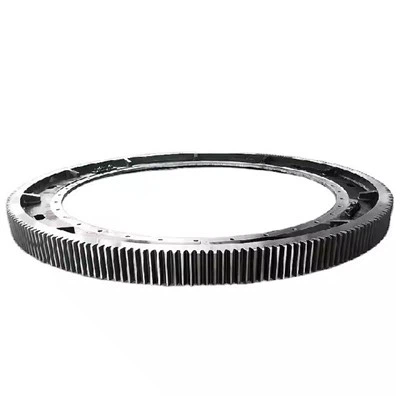
The drive system is what makes the shell of the rotary kiln rotate. It typically consists of an electric motor, a gearbox, and a pinion - gear arrangement. The electric motor provides the power, and the gearbox reduces the speed of the motor to the appropriate rotational speed for the kiln.
The pinion - gear arrangement transfers the power from the gearbox to the shell. It is designed to ensure smooth and reliable rotation, even under heavy loads. Regular maintenance of the drive system is essential to prevent breakdowns and ensure the long - term operation of the kiln.
Control System
A modern special rotary kiln is equipped with a sophisticated control system that monitors and regulates various parameters, such as temperature, pressure, rotation speed, and feed rate. The control system uses sensors and actuators to collect data and make adjustments in real - time.
This allows for precise control of the process, ensuring high - quality products and efficient operation. For example, if the temperature inside the kiln exceeds the set limit, the control system can adjust the burner to reduce the heat input. The control system also provides operators with valuable information for troubleshooting and process optimization.
Sealing System
The sealing system is crucial to prevent the leakage of hot gases and materials from the kiln. It is installed at the two ends of the kiln shell, where the rotating shell meets the stationary parts. There are different types of sealing systems, such as labyrinth seals, spring - loaded seals, and inflatable seals.
A good sealing system not only improves the energy efficiency of the kiln by reducing heat losses but also protects the environment by preventing the emission of pollutants. It also helps to maintain the correct pressure inside the kiln, which is essential for the proper functioning of the process.
Types of Special Rotary Kilns
There are several types of special rotary kilns, each designed for specific applications. For example, the Horizontal Rotary Kiln is widely used in many industries due to its simple structure and high production efficiency. It is suitable for processes that require a long - time heating and mixing of materials.
The Vertical Lime Kiln is specifically designed for lime production. It has a vertical structure, which allows for a more compact design and better heat utilization. The vertical arrangement also facilitates the movement of the limestone and the discharge of the lime.
The Vertical Cement Kiln is used in the cement industry. It can produce high - quality cement clinker with a relatively low energy consumption. The vertical design of the kiln helps to improve the heat transfer and the chemical reactions during the cement production process.
Conclusion
In conclusion, a special rotary kiln is a complex and highly engineered piece of equipment. Each component plays a vital role in its overall performance. The shell provides the structure, the lining protects the shell and maintains the temperature, the burner system supplies the heat, the feed and discharge systems handle the materials, the drive system makes the kiln rotate, the control system ensures precise operation, the sealing system prevents leakage, and different types of kilns are designed for specific applications.
If you are in the market for a special rotary kiln, whether it is a horizontal rotary kiln, a vertical lime kiln, or a vertical cement kiln, we are here to provide you with high - quality products and professional services. Our team of experts can help you select the most suitable kiln for your specific needs and provide you with all the support you need during the installation, operation, and maintenance processes. Contact us today to start a fruitful discussion about your procurement requirements.


References
- Perry, R. H., & Green, D. W. (Eds.). (2007). Perry's Chemical Engineers' Handbook. McGraw - Hill.
- Schneider, H., & Uhlmann, U. (2008). Refractory Materials. Wiley - VCH.
- Seddon, B. (2012). Cement Plant Operations Handbook. CRC Press.