In the realm of industrial kilns, the selection of appropriate materials is crucial for ensuring efficient operation, longevity, and safety. As a seasoned kiln material supplier, I've witnessed firsthand the evolution of materials used in kiln construction and operation. One question that often arises is whether rubber-like materials can find a place in kiln applications. In this blog post, we'll explore this topic in depth, considering the properties of rubber-like materials, the requirements of kiln environments, and potential applications.
Properties of Rubber-like Materials
Rubber-like materials, also known as elastomers, possess unique properties that make them attractive for various applications. These materials are characterized by their high elasticity, which allows them to deform under stress and return to their original shape once the stress is removed. This property is due to the long, flexible polymer chains that make up the elastomer structure.
In addition to elasticity, rubber-like materials offer excellent resistance to abrasion, tear, and impact. They can also provide a good seal against fluids and gases, making them suitable for applications where containment is required. Furthermore, some elastomers exhibit resistance to chemicals, heat, and ozone, which can extend their service life in harsh environments.
Requirements of Kiln Environments
Kilns are used in a wide range of industries, including cement, ceramics, metallurgy, and chemical processing. These environments are typically characterized by high temperatures, abrasive materials, and corrosive gases. Therefore, materials used in kilns must be able to withstand these harsh conditions without significant degradation.
High temperatures are one of the most challenging aspects of kiln environments. Depending on the type of kiln and the process being carried out, temperatures can range from a few hundred degrees Celsius to over 2000°C. Materials used in kilns must have a high melting point and good thermal stability to prevent deformation or failure at these elevated temperatures.
Abrasion is another significant factor in kiln environments. The movement of materials through the kiln, as well as the interaction between the kiln lining and the product being processed, can cause significant wear and tear on the materials. Therefore, kiln materials must have good abrasion resistance to ensure a long service life.
Corrosive gases are also present in many kiln environments. These gases can react with the kiln materials, causing corrosion and degradation. Materials used in kilns must be resistant to these corrosive gases to prevent damage and maintain their performance over time.
Potential Applications of Rubber-like Materials in Kilns
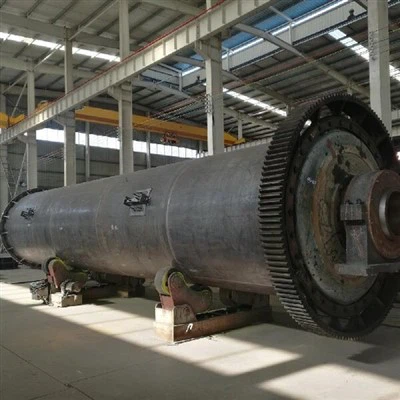
Despite the challenging conditions in kiln environments, there are several potential applications where rubber-like materials could be used. One such application is in the sealing of kiln doors and openings. Rubber-like materials can provide a good seal against heat, dust, and gases, preventing leakage and improving the energy efficiency of the kiln. For example, in Gypsum Rotary Kiln applications, a well-sealed door can help to maintain the desired temperature and atmosphere inside the kiln, resulting in better product quality and reduced energy consumption.


Another potential application is in the vibration isolation of kiln components. Kilns often generate significant vibrations during operation, which can cause damage to the kiln structure and its components. Rubber-like materials can be used as vibration isolators to reduce the transmission of vibrations and protect the kiln from damage. This can help to extend the service life of the kiln and improve its reliability.
In some cases, rubber-like materials could also be used as linings in certain areas of the kiln. For example, in areas where the temperature is relatively low and the abrasion and corrosion are not severe, a rubber-like lining could provide a cost-effective alternative to traditional refractory materials. However, it's important to note that the use of rubber-like linings would need to be carefully evaluated to ensure that they can withstand the specific conditions in the kiln.
Challenges and Limitations
While there are potential applications for rubber-like materials in kilns, there are also several challenges and limitations that need to be considered. One of the main challenges is the limited temperature resistance of most rubber-like materials. As mentioned earlier, kiln environments can reach very high temperatures, and most elastomers have a relatively low melting point and poor thermal stability. Therefore, the use of rubber-like materials in high-temperature areas of the kiln would be limited.
Another challenge is the compatibility of rubber-like materials with the chemicals and gases present in kiln environments. Some elastomers may be susceptible to chemical attack, which can cause degradation and failure. Therefore, it's important to select elastomers that are resistant to the specific chemicals and gases in the kiln environment.
In addition, the mechanical properties of rubber-like materials may change over time due to factors such as aging, heat, and exposure to chemicals. This can affect their performance and service life in the kiln. Therefore, regular monitoring and maintenance would be required to ensure the continued performance of rubber-like materials in kiln applications.
Conclusion
In conclusion, while rubber-like materials have some potential applications in kilns, their use is limited by their temperature resistance, chemical compatibility, and mechanical stability. However, in certain low-temperature, low-abrasion, and low-corrosion areas of the kiln, rubber-like materials could provide a cost-effective alternative to traditional refractory materials. As a kiln material supplier, I'm always exploring new materials and technologies to meet the evolving needs of our customers. If you're interested in learning more about the potential use of rubber-like materials in your kiln applications, or if you have any other questions about kiln materials, please don't hesitate to contact us for a detailed discussion and procurement negotiation.
References
- "Handbook of Elastomers" by Bhupendra K. Patel
- "Refractories Handbook" by P. V. Ramana Rao
- "Industrial Kilns and Furnaces: Principles, Design, and Operation" by J. F. Davidson and D. Harrison