Selecting the appropriate kiln materials for a specific type of firing, such as reduction firing, is a crucial decision that can significantly impact the quality of the final product, the efficiency of the firing process, and the longevity of the kiln itself. As a kiln material supplier, I understand the complexities involved in this selection process and am here to guide you through the key considerations.
Understanding Reduction Firing
Reduction firing is a technique used in ceramics and other industries where the kiln atmosphere contains less oxygen than normal. This is typically achieved by introducing a reducing agent, such as carbon, into the kiln during the firing process. The reducing atmosphere causes chemical reactions that can result in unique colors, textures, and surface effects on the fired objects. For example, in pottery, reduction firing can produce rich, earthy tones and metallic glazes that are highly sought after by artists and collectors.
Key Factors in Kiln Material Selection for Reduction Firing
1. Thermal Resistance
One of the primary requirements for kiln materials in reduction firing is high thermal resistance. Reduction firing often involves high temperatures, and the kiln materials must be able to withstand these temperatures without deforming or losing their structural integrity. Refractory materials, such as firebricks and ceramic fiber insulation, are commonly used due to their excellent thermal resistance properties. These materials can maintain their shape and strength even at temperatures above 1000°C, ensuring the stability of the kiln during the firing process.
2. Chemical Compatibility
The kiln materials must also be chemically compatible with the reducing atmosphere. In a reduction firing environment, the presence of reducing agents can cause chemical reactions with some materials, leading to corrosion or degradation. For example, certain metals may react with the carbon monoxide present in the reducing atmosphere, resulting in the formation of metal carbides. Therefore, it is essential to choose kiln materials that are resistant to chemical attack in a reducing environment. Refractory materials made from alumina, silica, and magnesia are generally considered to be chemically stable in reduction firing conditions.
3. Insulation Properties
Good insulation is crucial in reduction firing to minimize heat loss and ensure efficient energy usage. Insulating materials help to maintain a consistent temperature inside the kiln, which is essential for achieving uniform firing results. Ceramic fiber insulation is a popular choice for kiln insulation due to its low thermal conductivity and high insulation efficiency. It can significantly reduce the amount of energy required to heat the kiln, resulting in cost savings over time.
4. Permeability
The permeability of the kiln materials is another important factor to consider. In reduction firing, the reducing agent needs to be able to penetrate the kiln atmosphere evenly to create a consistent reducing environment. Kiln materials with high permeability allow for better circulation of the reducing agent, ensuring that all parts of the kiln are exposed to the reducing atmosphere. Firebricks with a porous structure are often used in the construction of kilns for reduction firing to facilitate the flow of gases.
Specific Kiln Materials for Reduction Firing
1. Firebricks
Firebricks are a staple in kiln construction due to their high thermal resistance and durability. They are available in different grades and compositions, each suitable for specific temperature ranges and firing conditions. For reduction firing, high-alumina firebricks are often preferred because of their excellent chemical resistance and ability to withstand high temperatures. These firebricks can be used to line the walls and floor of the kiln, providing a stable and heat-resistant structure.
2. Ceramic Fiber Insulation
As mentioned earlier, ceramic fiber insulation is an excellent choice for kiln insulation in reduction firing. It is lightweight, easy to install, and has low thermal conductivity, making it highly effective at reducing heat loss. Ceramic fiber insulation can be used to line the walls and ceiling of the kiln, as well as to insulate the kiln door. It helps to maintain a consistent temperature inside the kiln, improving the efficiency of the firing process.


3. Kiln Shelves
Kiln shelves are used to support the objects being fired inside the kiln. They must be able to withstand the high temperatures and the weight of the objects without warping or cracking. For reduction firing, kiln shelves made from high-quality refractory materials, such as cordierite or mullite, are recommended. These materials have good thermal shock resistance and can maintain their flatness even at high temperatures, ensuring that the objects are fired evenly.
Our Product Offerings
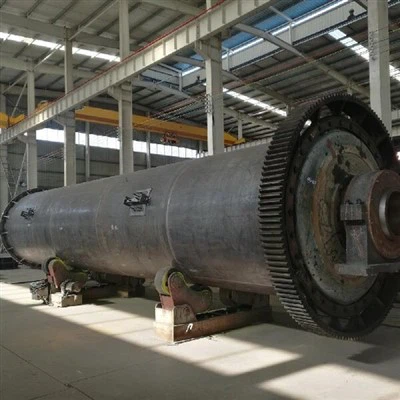
As a kiln material supplier, we offer a wide range of high-quality kiln materials suitable for reduction firing. Our Professional Cement Rotary Kiln is designed to provide efficient and reliable performance in reduction firing applications. It is constructed using high-grade refractory materials that offer excellent thermal resistance and chemical compatibility.
We also offer the Calcination Kiln Of Dolomite, which is specifically designed for the calcination of dolomite in a reducing atmosphere. This kiln features advanced insulation technology to minimize heat loss and ensure energy efficiency.
In addition, our Gypsum Rotary Kiln is ideal for the firing of gypsum products in reduction firing conditions. It is equipped with high-quality kiln shelves and insulation materials to provide uniform heating and excellent product quality.
Conclusion
Selecting the right kiln materials for reduction firing is a complex process that requires careful consideration of various factors, such as thermal resistance, chemical compatibility, insulation properties, and permeability. By choosing the appropriate kiln materials, you can ensure the efficiency, reliability, and quality of your reduction firing process.
If you are interested in learning more about our kiln materials or have any questions about kiln material selection for reduction firing, please feel free to contact us. We are dedicated to providing our customers with the best kiln materials and technical support to meet their specific needs.
References
- Schneider, H., & Somers, J. M. (2002). Refractories Handbook. Marcel Dekker.
- Kingery, W. D., Bowen, H. K., & Uhlmann, D. R. (1976). Introduction to Ceramics. Wiley.
- Rice, R. W. (1998). Ceramic Fabrication Processes. Noyes Publications.